

Have you ever dreamed of harvesting sweet, juicy grapes right from your own backyard, even if space is limited? Picture this: You step outside and pluck a ripe grape off a vine flourishing in a pot on your patio. Sounds enticing, doesn’t it?
Key Takeaways
- Choose disease-resistant grape varieties for pot cultivation to prevent common issues.
- Select compact or dwarf grape varieties suitable for container growing.
- Opt for self-pollinating or self-fertile grape varieties if space is limited.
- Use containers that are at least 15-20 inches deep and wide with proper drainage holes.
- Prepare a well-draining soil mix rich in organic matter for healthy grape growth.
- Provide ongoing care through proper watering, fertilization, pruning, and pest management techniques.
Choosing the Right Grape Variety
When selecting a grape variety for pot cultivation, you need to consider several factors to ensure successful growth and a bountiful harvest. Here are some key points to keep in mind:
Considerations for Container Growing
- Disease Resistance: Opt for grape varieties known for their resistance to common diseases like powdery mildew and downy mildew. This can help prevent issues that may arise in a confined space.
- Size of the Plant: Choose grape varieties that are suitable for container growing, typically those with compact growth habits or dwarf varieties that won’t outgrow your pot.
- Climate Adaptability: Select grape varieties that thrive in your specific climate zone to ensure they receive the necessary sunlight, temperature, and moisture levels for optimal growth.
- Pollination Needs: Some grape varieties require cross-pollination with another variety to set fruit. If you have limited space, opt for self-pollinating or self-fertile varieties.
- Pixie Pinot Meunier: A compact vine suitable for containers, this variety produces small clusters of dark grapes perfect for wine-making or fresh consumption.
- Black Corinth: Also known as Zante Currant, this seedless grape variety is ideal for pots due to its small size and sweet flavor, making it great for snacking or drying into raisins.
- Flame Seedless: With vibrant red grapes and a sweet taste, this seedless variety is well-suited for container growing and makes a delightful addition to fruit salads or eaten on its own.
Selecting the Ideal Container
When planting grapes in a pot, choosing the right container is crucial for the health and growth of your grapevines. Here’s what you need to consider when selecting the ideal container:
Size Requirements
For planting grapes in pots, opt for containers that are at least 15-20 inches deep and wide. This size allows ample space for the grape roots to grow and spread comfortably. Ensure that the pot has drainage holes at the bottom to prevent waterlogging, which can lead to root rot. A larger container also helps provide stability for your grape plant as it grows.
Material Options
Select containers made from durable materials like terracotta, wood, or plastic. Terracotta pots are porous, allowing excess moisture to evaporate and preventing soil from becoming waterlogged. Wooden containers offer insulation against extreme temperatures but may require more frequent watering. Plastic pots are lightweight and retain moisture well but may need additional drainage holes to prevent overwatering issues.
By considering these factors when choosing a container for your grapevines, you’ll create an optimal environment for healthy growth and bountiful harvests.
Preparing the Soil and Pot Environment
When planting grapes in a pot, ensuring the right soil composition is crucial for the healthy growth of your grapevines. Here’s what you need to know:
Soil Composition for Grape Vines
For successful grape cultivation in pots, use well-draining soil rich in organic matter. A recommended mix includes equal parts of peat moss, perlite, and compost. This blend provides good drainage while retaining essential nutrients for your grapevines’ development.
Drainage and Pot Setup
To prevent waterlogging, ensure your pot has proper drainage holes at the bottom. Elevate the pot slightly by placing it on bricks or feet to allow excess water to flow out freely. Additionally, consider using a larger-sized container than initially anticipated to accommodate the grapevine’s root system adequately.
By preparing a suitable soil mix and setting up proper drainage in your pot environment, you create an optimal growing space for your potted grapevines.
Planting the Grapes
To ensure successful growth, follow these steps for planting grapes in a pot:
Step-by-Step Planting Process
- Selecting the Right Pot: Choose a large container with drainage holes to prevent waterlogging. A 15-gallon pot is suitable for most grape varieties.
- Preparing the Soil: Create a well-draining mix using peat moss, perlite, and compost in equal parts. This blend provides essential nutrients for healthy grapevine growth.
- Planting the Grapevine: Place the grape plant in the center of the pot at the same depth as its nursery container. Fill the remaining space with soil mix, leaving about an inch from the rim.
- Watering Routine: Water thoroughly after planting to settle the soil around the roots. Ensure consistent moisture levels by watering when the top inch of soil feels dry to touch.
- Positioning and Support: Position your potted grapevine in a sunny spot with at least 6 hours of sunlight daily. Install a trellis or stake for support as vines grow.
- Spring Planting: The ideal time to plant grapes in pots is early spring when temperatures are mild.
- Pruning Schedule: Prune your grapevines during dormancy to promote healthy growth and fruit production.
- Fertilization Needs: Feed your potted grapes with a balanced fertilizer every spring to support vigorous vine development.
- Pest Management: Monitor for common pests like aphids and spider mites, treating them promptly to protect your grapevine.
Ongoing Care and Maintenance
After planting your grapevine in a pot, it’s crucial to provide the right care to ensure healthy growth. Here are some essential guidelines for ongoing maintenance:
Recommended Products

FORMULATED FOR CITRUS AND FRUIT TREES: Use these citrus fertilizer spikes on apple, orange, lemon, lime, and avocado trees; this formula is also great for feeding palm trees
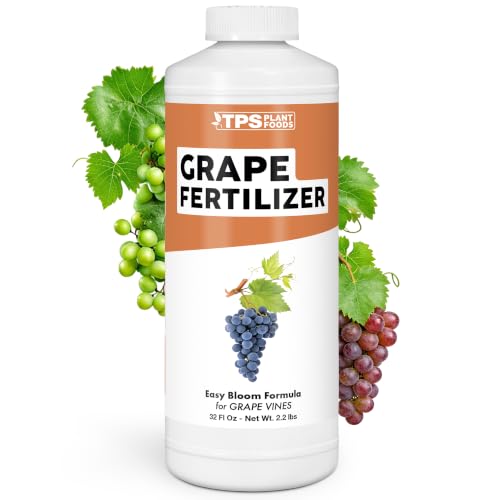
Helps Promote Vine Growth & Fruit Development – Supports strong vines and balanced fruit production.

Package contains 6 organic fruit and citrus fertilizer spikes and is produced to avoid wasteful runoff, mess, hazards and smells
Watering Guidelines
Watering your potted grapevine correctly is vital for its health and productivity. Here’s how you can ensure proper hydration:
- Consistent Moisture: Ensure the soil remains consistently moist but not waterlogged. Check the soil moisture by inserting your finger about an inch into the soil; if it feels dry, it’s time to water.
- Morning Watering: It’s best to water your grapevine in the morning to allow excess moisture to evaporate during the day, reducing the risk of fungal diseases.
- Established Routine: Develop a watering routine based on your climate conditions. In hot weather, you may need to water more frequently, while cooler climates may require less frequent watering.
Fertilization and Pruning Techniques
Proper fertilization and pruning play a significant role in ensuring vigorous growth and bountiful harvests from your potted grapevine. Follow these techniques for optimal results:
- Fertilization Schedule: During the growing season, feed your grapevine with a balanced fertilizer every 4-6 weeks. Look for fertilizers specifically formulated for fruit-bearing plants.
- Pruning Practices: Regular pruning helps maintain plant size, improve air circulation, and promote fruit production. Prune during dormancy by removing old or weak wood while retaining healthy canes for new growth.
By following these watering guidelines and adopting effective fertilization and pruning techniques, you’ll help your potted grapevine thrive and yield delicious grapes season after season.
Common Challenges and Solutions
When growing grapes in containers, you may encounter a few challenges. Here are some common issues you might face and practical solutions to address them effectively.
Pest Management in Containers
Pests can pose a threat to your potted grapevines, potentially impacting their growth and fruit production. Here are some tips to manage pests in your containers:
- Inspect Regularly: Check your grapevines frequently for any signs of pest infestation such as holes in leaves or visible insects.
- Natural Remedies: Consider using natural pest control methods like neem oil spray or insecticidal soap to deter pests without harming the plant.
- Beneficial Insects: Introduce beneficial insects like ladybugs or lacewings that feed on common grape pests, helping keep the population under control.
Disease Prevention Tips
Preventing diseases is crucial for maintaining the health of your potted grapevines. Follow these tips to minimize the risk of diseases affecting your plants:
- Proper Air Circulation: Ensure good air circulation around your grapevine by spacing containers appropriately and avoiding overcrowding.
- Sanitation Practices: Keep your planting area clean by removing fallen leaves and debris regularly to prevent disease-causing pathogens from spreading.
- Healthy Soil: Use well-draining soil mixtures and avoid overwatering to reduce the likelihood of fungal diseases taking hold in your containers.
Conclusion
Growing grapes in pots is a rewarding experience that allows you to enjoy fresh, sweet fruits even in limited spaces. By selecting the right grape variety, preparing the soil properly, and providing adequate care, you can nurture healthy grapevines that yield bountiful harvests season after season. Remember to water your potted grapevine consistently, fertilize it appropriately, and prune it regularly to promote vigorous growth and delicious grapes. Be vigilant against pests and diseases by inspecting your plants regularly and maintaining good sanitation practices. With these simple yet effective tips, you can successfully cultivate thriving potted grapevines and savor the joy of homegrown grapes right at your doorstep. Happy planting!
Frequently Asked Questions
Can I grow sweet grapes in a limited space like a backyard or patio?
Yes, you can grow sweet grapes in limited spaces by selecting the right grape variety and container for pot cultivation.
What are some grape varieties suitable for growing in containers?
Grape varieties like ‘Pixie’, ‘Flame Seedless’, and ‘Black Monukka’ are well-suited for pot cultivation.
How important is soil preparation and drainage for potted grapevines?
Preparing the soil with good drainage is crucial to ensure healthy growth of potted grapevines.
What are some key care tips for maintaining potted grapevines?
Regular watering, following fertilization schedules, and proper pruning are essential for the maintenance of potted grapevines.
How can I manage pests and diseases affecting my potted grapevines?
Regular inspection, using natural remedies, introducing beneficial insects, ensuring air circulation, practicing sanitation, and maintaining healthy soil help minimize pest and disease risks.
