

Ever wondered how to turn those abundant seeded grapes into a delicious jam that will elevate your breakfast spread? Picture this: you’re surrounded by baskets of ripe, juicy grapes, but unsure how to make the most of them. That’s where homemade grape jam comes in – a sweet and versatile addition to your pantry that you can enjoy all year round.
Key Takeaways
- Choose seeded grape varieties like Concord, Muscadine, or Catawba for flavorful and aromatic homemade jam.
- Select fresh, ripe grapes that are plump, vibrant in color, and firm to the touch for the best jam quality.
- Prepare your kitchen with essential tools such as a large pot, wooden spoon, knife, cutting board, measuring cups, and canning jars for a smooth jam-making process.
- Prioritize safety and cleanliness by washing hands thoroughly, sanitizing equipment, and using clean towels during the jam-making process.
- Follow simple steps to make grape jam: wash and crush grapes, cook them down until thickened, test for consistency with a plate test.
- Store homemade grape jam in clean jars with proper sealing techniques; label jars with preparation dates for easy identification; store in a cool place away from sunlight.
Choosing the Right Grapes for Jam
When making grape jam with seeded grapes, selecting the right type of grapes is crucial to achieving a delicious end product. Here’s how you can ensure you pick the best grapes for your homemade jam:
Recommended Products

Mighty Muscadine 100% Muscadine SuperFruit Juice Cold Pressed from the Grape and Full of Antioxidants Mighty Muscadine 100% Muscadine SuperFruit Juice Cold Pressed from the Grape and Full of Antioxidants

The Concord grape vine is known for its deep purple, juicy grapes with a distinctive sweet-tart flavor. These grapes are versatile, suitable for both making wine and enjoying fresh as a snack or in jams and jellies. The vines are vigorous and hardy, producing abundant clusters of fruit.
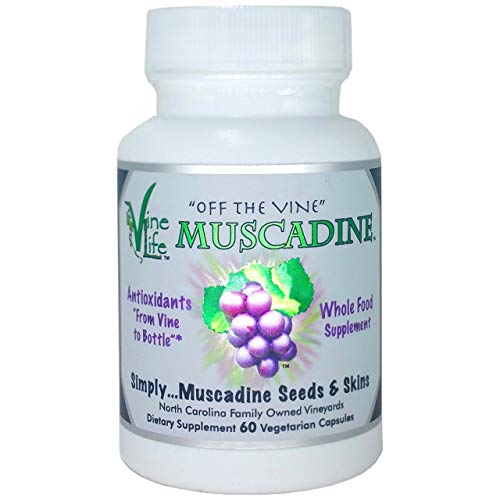
100% Muscadine Grape Seeds & Skins 650mg (capsule weight is NEVER included in the 650mg) Vegetable Capsule - Natural Antioxidants Resveratrol, Ellagic Acid, Quercetin, OPC's, Polyphenols & More!
Identifying Seeded Grape Varieties
To make flavorful grape jam, opt for varieties like Concord, Muscadine, or Catawba grapes known for their robust taste and natural sweetness. These varieties are ideal for creating rich and aromatic jams that will elevate your breakfast table.
Evaluating Grape Freshness and Ripeness
When choosing grapes for jam-making, look for plump fruits with vibrant colors that are firm to the touch. Avoid grapes that are wrinkled or have soft spots as they may affect the overall quality of your jam. Opt for fresh, ripe grapes to capture the full essence of their flavor in your homemade jam.
Preparing Your Kitchen
Setting up your kitchen for making grape jam is essential to ensure a smooth and efficient jam-making process. Here are the steps you should follow:
Required Tools and Equipment
To make grape jam with seeded grapes, you’ll need the following tools and equipment:
- Large Pot: You’ll need a large, heavy-bottomed pot to cook the grapes down into jam.
- Wooden Spoon: A wooden spoon is ideal for stirring the grapes as they cook.
- Knife and Cutting Board: Use a sharp knife and cutting board to prepare the grapes by removing stems and any spoiled parts.
- Measuring Cups: Precise measurements are crucial for successful jam-making, so have measuring cups on hand.
- Canning Jars with Lids: Ensure you have enough clean canning jars and lids for storing your homemade grape jam.
Safety and Cleanliness Considerations
Maintaining safety and cleanliness when making grape jam is vital to prevent contamination and ensure a tasty final product. Follow these guidelines:
- Wash Hands Thoroughly: Before starting, wash your hands properly to avoid introducing bacteria into the jam.
- Sanitize Equipment: Make sure all utensils, pots, jars, and lids are clean and sanitized before use.
- Use Clean Towels: Have clean towels or paper towels available for wiping spills or drying washed items.
By preparing your kitchen with the necessary tools, ensuring cleanliness, and prioritizing safety measures, you’re ready to embark on creating delicious grape jam from seeded grapes.
The Jam-Making Process
Get ready to make delicious grape jam with seeded grapes following these simple steps.
Recommended Products

Contains 6- 12 Ounce Jar of Smucker's Concord Grape Jam

Appeal to mindful customers with real concord grapes and only 4 ingredients
Preparing the Grapes
Start by washing and destemming your fresh, ripe Concord, Muscadine, or Catawba grapes. Once clean, crush the grapes in a large pot using a potato masher or your hands to release their juices. Remember to discard any spoiled or unripe grapes.
Cooking the Grape Mixture
Transfer the crushed grapes into a large pot and cook them over medium heat until they come to a boil. Reduce the heat and simmer for about 10-15 minutes while stirring occasionally. This process helps thicken the mixture and intensify the flavors.
Testing for Proper Consistency
To check if your grape jam has reached the desired consistency, perform a simple plate test. Place a small amount of jam on a chilled plate and tilt it slightly. If the jam sets and doesn’t run off, it’s ready. If not, continue cooking and retest until you achieve the perfect consistency for spreading on toast or pastries.
Storing and Serving Grape Jam
Once you’ve successfully created your delicious grape jam, it’s essential to store and serve it correctly to maintain its freshness and flavor. Here are some tips on how to store, label, and serve your homemade grape jam.
Cooling and Jar Sealing Techniques
After cooking your grape jam to perfection, allow it to cool slightly before transferring it into clean, sterilized canning jars. To seal the jars effectively:
- Ensure the jam is still warm but not hot when pouring it into the jars.
- Leave a small amount of headspace at the top of each jar before sealing.
- Wipe the jar rims clean before placing lids on top.
- Follow proper canning techniques for sealing jars if planning long-term storage.
Properly sealed jars will help preserve your grape jam for an extended period, allowing you to enjoy its delectable taste whenever you desire.
Labeling and Storing for Longevity
To ensure easy identification and safe consumption of your grape jam:
- Label each jar with the date of preparation using waterproof ink.
- Store labeled jars in a cool, dark place away from direct sunlight.
- Check seals regularly; discard any unsealed or spoiled jars.
By labeling and storing your grape jam correctly, you can savor its rich flavors for months to come without compromising on quality.
Serving Suggestions for Grape Jam
Now that your grape jam is ready, here are some delightful ways to enjoy it:
- Spread generously on freshly toasted bread or warm croissants.
- Use as a filling for pastries or thumbprint cookies.
- Pair with cheese platters for a sweet contrast.
- Drizzle over vanilla ice cream or yogurt for a fruity twist.
Experiment with different serving options to discover new ways to incorporate this homemade treat into your meals or snacks effortlessly.
Conclusion
You’ve now mastered the art of creating delicious grape jam using seeded grapes. By following these steps and tips, you can enjoy the rich flavors of Concord, Muscadine, or Catawba grapes in a delightful spread. Remember to choose ripe grapes, prepare your kitchen with the necessary tools, and prioritize cleanliness throughout the process. From washing and crushing the grapes to testing for consistency and proper storage techniques, you are equipped to make your homemade grape jam a success. Whether you prefer it on toast, pastries, paired with cheese, or drizzled over desserts, your freshly made grape jam is sure to impress your taste buds and those of your family and friends. Happy jam-making!
Frequently Asked Questions
Q: What type of grapes are best for making grape jam?
A: Seeded grapes like Concord, Muscadine, or Catawba grapes are ideal due to their robust taste.
Q: What kitchen tools are needed for making grape jam?
A: Essential tools include a large pot, wooden spoon, knife, cutting board, measuring cups, and canning jars.
Q: How should I prepare my kitchen for making grape jam?
A: Ensure safety and cleanliness by washing hands, sanitizing equipment, and using clean towels throughout the process.
Q: Can you explain the process of making grape jam briefly?
A: Wash and destem the grapes, crush them in a pot, cook the mixture to thicken it and enhance flavors.
Q: How do I know when the grape jam is ready?
A: Conduct a simple plate test to check for proper consistency before spreading on toast or pastries.
Q: Any tips on storing and serving grape jam correctly?
A: Cool the jam properly before sealing in jars. Label and store for longevity; serve on bread, with cheese or desserts.
