

Growing lemon trees in Plano, TX is achievable with the right techniques and care. By selecting suitable varieties and following specific planting and maintenance practices, you can enjoy a bountiful harvest even in North Texas.
Choosing Ideal Lemon Tree Varieties for Plano
Choosing the appropriate lemon tree variety is crucial for success in Plano’s climate. The most suitable varieties include the Improved Meyer Lemon and Ponderosa Lemon. These types thrive in warm weather and can tolerate some cold, making them ideal for North Texas.
| Variety | Cold Tolerance | Growth Habit | Flavor Profile |
|---|---|---|---|
| Improved Meyer | 20°F | Compact | Sweet and tart |
| Ponderosa | 25°F | Large | Tart and fragrant |
Recommended Products

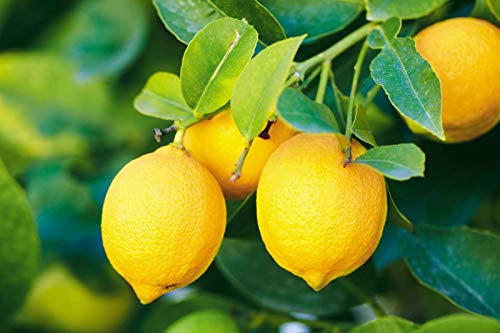

FLAVORFUL LEMONS FOR YOUR KITCHEN: Enjoy fresh, juicy lemons from your own Meyer lemon tree, producing fragrant blooms & citrus fruit that enhance indoor or outdoor spaces. Due to USDA regulations, we do not ship to freight forwarding locations, hotels, PO Boxes, Military (AFO/FPO), AZ, AL, CA, LA, HI, TX, Puerto Rico, Guam, U.S. Virgin Islands, American Samoa, and Northern Mariana Islands. Suited for mother's day gifts, plant gifts for women, and plant gifts for mom for growing citrus at home.
Optimal Site Preparation for Lemon Trees
Proper site preparation is essential for healthy growth. Choose a location that receives full sun for at least 8 hours daily. Ensure the soil has good drainage and is rich in organic matter. Test the soil pH; lemon trees prefer a range of 5.5 to 6.5.
Soil Enhancements for Lemon Trees
To successfully grow lemon trees in Plano, TX, understanding soil enhancements is crucial. The right soil composition not only supports healthy root development but also maximizes fruit production. This section will explore specific amendments and practices that can improve soil quality, ensuring your lemon trees thrive in the North Texas climate.
To improve soil quality, consider adding the following amendments:
Compost: Enhances nutrient content.
Perlite: Improves drainage.
Sulfur: Lowers pH if needed.
Optimal Spring Planting Techniques for Lemon Trees
Spring is the ideal time to plant lemon trees in Plano, TX, as the warmer weather encourages growth and fruit production. Understanding the best techniques for planting during this season can significantly enhance your success. This section outlines essential practices to ensure your lemon trees thrive in North Texas’s unique climate.
Timing and technique are vital when planting. The best time to plant is in the spring after the last frost. Follow these steps for successful planting:
Dig a hole twice the width of the root ball.
Mix native soil with compost.
Place the tree in the center of the hole.
Backfill with the soil mixture and water thoroughly.
Lemon Tree Watering Guidelines for Success
Watering is a critical factor in successfully growing lemon trees in Plano, TX, where the climate can present unique challenges. Understanding the specific needs of your lemon trees will help ensure they thrive in North Texas. This section outlines essential watering guidelines to promote healthy growth and fruit production.
Lemon trees require consistent moisture, especially during the first year. Use the following watering guidelines:
Water deeply once a week.
Adjust frequency based on rainfall.
Ensure the soil remains moist but not soggy.
Essential Care Techniques for Lemon Trees
Growing lemon trees in Plano, TX, requires specific care techniques to thrive in the North Texas climate. Understanding the unique needs of these citrus trees is crucial for successful cultivation, from soil preparation to watering practices. This section outlines the essential care techniques that will help you nurture healthy and productive lemon trees in your backyard.
Regular care will enhance growth and fruit production. Focus on the following aspects:
Recommended Products

Balanced Organic Nutrition – Supplies a 6‑3‑3 NPK ratio along with calcium, sulfur, iron, and zinc to foster healthy foliage, flowering, and fruit.

Essentials for Fruit Production- With a balanced NPK of 6-3-3 we made sure to pack this liquid plant food with all the important macronutrients such as nitrogen, phosphorus, and potassium plus micronutrients like zinc and manganese

🍋 LEMON TREE LUXE: Tailored exclusively for indoor lemon trees, our 3-1-2 Liquid Fertilizer Concentrate provides the perfect blend of nitrogen, phosphorus, and potassium. This ensures your lemon tree thrives, bearing an abundance of zesty, sun-kissed fruit.
Citrus Fertilization Timing for Plano
Understanding the optimal timing for citrus fertilization is crucial for successfully growing lemon trees in Plano, Texas. The unique climate and soil conditions in North Texas require a tailored approach to ensure healthy growth and fruit production. This section will outline the best practices for fertilizing lemon trees to maximize their potential in this region.
Use a balanced fertilizer designed for citrus trees. Apply every 6-8 weeks during the growing season. Look for fertilizers with a ratio of 3-1-1 or 2-1-1.
Lemon Tree Pruning Strategies for Plano
Pruning is essential for maintaining healthy lemon trees, especially in the unique climate of Plano, TX. Understanding the right techniques and timing for pruning can significantly enhance fruit production and tree health. This section outlines effective strategies tailored for North Texas conditions, ensuring your lemon trees thrive and yield abundant fruit.
Pruning helps maintain shape and encourages fruiting. Follow these steps:
Remove dead or diseased branches.
Thin out crowded areas for better airflow.
Shape the tree to allow sunlight penetration.
Pest and Disease Management for Lemon Trees
Managing pests and diseases is crucial for the successful cultivation of lemon trees in Plano, TX. This section will provide practical strategies to identify common threats and implement effective control measures, ensuring your lemon trees thrive in North Texas’s unique climate. Understanding these challenges will help you maintain healthy and productive trees throughout the growing season.
Monitoring for pests and diseases is essential for healthy lemon trees. Common issues include:
Aphids: Use insecticidal soap.
Citrus Canker: Remove infected branches promptly.
Scale Insects: Scrape off or apply horticultural oil.
Pest Control Strategies for Lemon Trees
Managing pests is crucial for the health and productivity of lemon trees in Plano, TX. With the unique climate challenges of North Texas, effective pest control strategies can help safeguard your trees from common threats. This section outlines practical methods to protect your lemon trees, ensuring they thrive and yield abundant fruit.
Implementing an integrated pest management strategy can minimize chemical use. Consider the following:
Introduce beneficial insects like ladybugs.
Use traps for monitoring pest levels.
Rotate treatments to prevent resistance.
Optimal Lemon Harvest Timing
Understanding the best timing for harvesting lemons is crucial for ensuring a bountiful yield in Plano, TX. The climate and seasonal variations in North Texas can influence the ripening process, making it essential to recognize the signs of readiness. This section will guide you through the optimal periods for harvesting your lemons to achieve the best flavor and quality.
Knowing when to harvest is key to enjoying your lemons. Look for the following signs:
Color: A bright yellow indicates ripeness.
Firmness: The fruit should feel slightly soft.
Size: Mature lemons are typically 2-4 inches in diameter.
Lemon Storage Techniques for Longevity
Proper storage techniques are essential for preserving the freshness and flavor of your harvested lemons. In Plano, TX, where the climate can affect fruit longevity, understanding how to store lemons effectively can help you enjoy their vibrant taste long after picking. This section will explore the best methods for keeping your lemons fresh and flavorful.
Store harvested lemons in a cool, dry place. For longer storage, consider:
Refrigerating them for up to 3 weeks.
Freezing juice in ice cube trays for later use.
Lemon Tree Health Challenges in North Texas
Growing lemon trees in North Texas can be rewarding, but they face unique health challenges due to the region’s climate and soil conditions. Understanding these potential issues is crucial for ensuring your lemon trees thrive and produce fruit. This section will explore common health problems and how to effectively manage them for a successful lemon tree garden.
If your lemon tree shows signs of distress, consider these common problems:
| Symptom | Primary Suspect | Difficulty Level |
|---|---|---|
| Yellowing leaves | Nutrient deficiency | 2 |
| Dropping fruit | Water stress | 3 |
| Stunted growth | Poor soil conditions | 4 |
Address issues promptly to prevent permanent damage.
Lemon Tree Care and Harvesting Tips
Caring for lemon trees in Plano, TX requires attention to specific growing conditions and practices that ensure healthy growth and fruitful harvests. From proper watering techniques to pest management, understanding the nuances of lemon tree care will enhance your gardening experience. This section provides essential tips for nurturing your lemon trees and maximizing your harvest in North Texas.
Follow these guidelines to ensure your lemon trees thrive in Plano. Regular care, appropriate variety selection, and timely harvesting will lead to fruitful results. Enjoy the process and the rewards of your labor.
