

Do you dream of harvesting fresh, juicy grapes right in your own home, regardless of the season? Imagine savoring the sweetness of homegrown grapes that you nurtured from tiny seeds. If you’ve ever faced challenges with traditional gardening methods or limited outdoor space, growing grapes hydroponically could be the solution you’re looking for.
Picture this: You’re eager to cultivate your grapevines but are constrained by lack of garden space or unfavorable weather conditions. Hydroponic grape growing offers a practical and efficient way to overcome these obstacles. In this article, we’ll guide you through the simple steps and benefits of cultivating delicious grapes hydroponically. Get ready to embark on a rewarding journey as you discover how to grow luscious grapes indoors with ease.
Key Takeaways
- Hydroponic grape cultivation offers enhanced growth rates and better control over nutrients compared to traditional soil methods.
- Choosing the right hydroponic method such as Nutrient Film Technique (NFT) or Deep Water Culture (DWC) is crucial for successful grape growing.
- Essential equipment needed for hydroponic grape cultivation includes a reservoir, grow tray, growing medium, nutrient solution, pH testing kit, and appropriate light source.
- Providing a balanced mix of essential macronutrients (NPK) and micronutrients tailored to grapevine needs is vital for robust growth and fruit production.
- Monitoring pH levels between 5.5 and 6.5 and Electrical Conductivity (EC) within the range of 1.2-2.0 mS/cm ensures optimal nutrient absorption without over-fertilization.
- Effective pest management through cleanliness and introducing beneficial insects, along with disease prevention strategies like sterilization and using disease-resistant varieties, are key to ensuring healthy growth in hydroponic grape gardens.
Benefits of Growing Grapes Hydroponically
When it comes to growing grapes hydroponically, you’ll find several advantages that make this method a rewarding choice. Let’s explore how hydroponic grape cultivation offers enhanced growth rates and better control over nutrients.
Enhanced Growth Rate
With hydroponic systems, grapevines can experience accelerated growth compared to traditional soil methods. By providing a precisely controlled environment where water, oxygen, and nutrients are readily available to the plants’ roots, you ensure optimal conditions for rapid vine development. This increased growth rate allows you to enjoy fresh grapes sooner than with conventional gardening practices.
Better Control Over Nutrients
One of the key benefits of hydroponic grape cultivation is the ability to have precise control over the nutrients your plants receive. Through nutrient solutions tailored to meet specific plant requirements at each growth stage, you can optimize grape production and flavor. This level of control minimizes the risk of nutrient deficiencies or excesses, leading to healthier vines and higher-quality fruit yields.
By harnessing these benefits of growing grapes hydroponically, you can embark on a fulfilling journey of cultivating delicious grapes in an efficient and sustainable manner right in your indoor space.
Setting Up a Hydroponic System for Grapes
When setting up a hydroponic system for growing grapes, you’ll need to pay attention to specific details to ensure successful cultivation. Here’s how you can get started:
Recommended Products
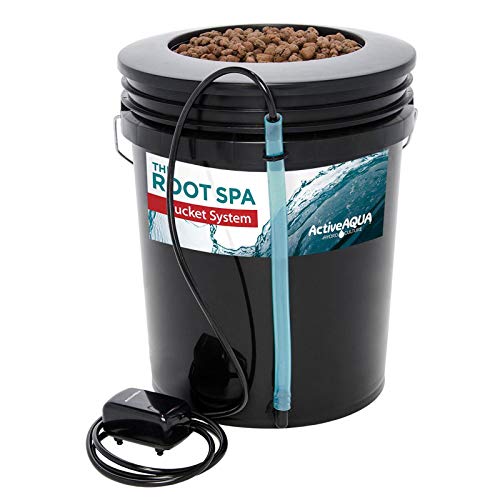
8" bucket basket to hold your choice of growing medium

Durable & Corrosion-proof Material: Our 5-gallon DWC hydroponic grow system features PP planting buckets that are sturdy, durable, corrosion-proof, and temperature-resistant. Perfect for long-term use without deformation, ideal for plant hydroponics.

8PCS PP Buckets: Our DWC hydroponic system is equipped with 8 buckets made of high-quality PP material for long-lasting use. Each plant bucket features a 5" basket and can hold up to 5 gallons, large enough to help you grow multiple plants at a time.
Choosing the Right Hydroponic Method
To begin your grape-growing journey hydroponically, consider the various methods available. Two common systems suitable for grape cultivation are the nutrient film technique (NFT) and the deep water culture (DWC).
- Nutrient Film Technique (NFT): In this method, a thin film of nutrient solution flows over the plant roots, providing them with essential nutrients. NFT works well for grapes due to their preference for well-aerated root systems.
- Deep Water Culture (DWC): DWC involves suspending grape plants’ roots in a nutrient solution reservoir. This method ensures constant access to nutrients and oxygen, promoting healthy vine growth.
Choose a hydroponic system that aligns with your space availability, budget, and level of expertise.
Equipment You Will Need
Before embarking on your hydroponic grape-growing venture, gather the necessary equipment:
- Reservoir: A container to hold the nutrient solution required for feeding your grape vines.
- Grow Tray: A platform where your grape plants will grow; it should be large enough to accommodate their root systems.
- Growing Medium: Opt for inert materials like perlite or rockwool that provide support to the plants without altering pH levels.
- Nutrient Solution: Essential for supplying grapes with vital nutrients throughout their growth cycle.
- pH Testing Kit: To monitor and adjust the acidity levels of your nutrient solution as needed.
- Light Source: If growing indoors or in low-light conditions, invest in grow lights suitable for promoting photosynthesis.
Nutrient Solutions and Water Requirements
When growing grapes hydroponically, ensuring the right balance of essential nutrients is crucial for healthy plant growth. Here’s what you need to know about nutrient solutions and water requirements to optimize your grape cultivation:
Recommended Products

Simultaneously display pH EC Temp or pH ppm Temp: This pH tester can display the measured values of pH EC and temperature at the same time. Press the MODE button can adjust to display the measured values of pH PPM and temperature Simultaneously; read 3 parameters at a time, which is easier to use; and this water pH meter has a lock function, whether it is used to measure hydroponics, drinking water or aquarium, you can easily lock and record the readings

Application: Great for all home and laboratory TDS & pH testing applications including aquariums, swimming pools

{One-click access to the temperature pH EC value of hydroponic nutrients solution} YINMIK 4-in-1 pH EC tester is a professional tester for hydroponic growers. The pH ppm mode is designed for hydroponic basic reservoirs, and the pH EC mode is designed for hydroponic nutrient solutions.The pH and temperature of this product are always displayed on the screen.
Essential Nutrients for Grape Growth
Grapes require specific nutrients to thrive in a hydroponic system. The primary macronutrients needed are nitrogen, phosphorus, and potassium (NPK). Additionally, micronutrients such as calcium, magnesium, iron, and zinc play vital roles in grape development. It’s essential to provide a balanced nutrient mix tailored to grapevine needs at different growth stages.
To illustrate further, consider a hydroponic nutrient solution containing 20-10-20 NPK ratio supplemented with chelated micronutrients like iron EDTA or iron DTPA. This balanced blend ensures that your grapevines receive all the necessary elements for robust growth and fruit production.
Managing pH and EC Levels
Maintaining the correct pH level is critical for nutrient absorption by grape plants. Aim for a slightly acidic pH range between 5.5 and 6.5 to facilitate optimal nutrient uptake. Regularly monitor the pH levels using a reliable testing kit and adjust accordingly with pH up or down solutions.
In addition to pH levels, monitoring Electrical Conductivity (EC) helps determine the concentration of nutrients in the water solution. Typically, grapes thrive in an EC range of 1.2-2.0 mS/cm depending on their growth stage. Adjusting EC levels ensures that your plants receive the right amount of nutrients without risking over-fertilization.
By carefully managing both pH and EC levels in your hydroponic system, you can create an ideal environment for healthy grape growth while maximizing yield potential.
Common Challenges and Solutions
When growing grapes hydroponically, you may encounter some common challenges. Here’s how to address them effectively:
Recommended Products

PATENTED SMART HYDROPONIC SYSTEM: Take your indoor gardening to the next level with our patented smart hydroponic system, featuring the exclusive LetPot app. With just a few taps on your phone, you can effortlessly adjust the 0-24 hours LED lighting schedule to provide your plants with the perfect amount of light and precies on/off time. Our innovative reminder system also ensures you never forget to water your plants again, making growing healthy and vibrant plants easier than ever before.

Perfect for Beginners: This hydroponic system kit is ideal for those starting out as indoor vegetable growers or for children and teachers doing projects in class.

USDA CERTIFIED ORGANIC AND NON-GMO: This organic microgreens kit 6-grow variety pack is not treated with pesticides and is safe for consumption
Pest Management
To protect your hydroponic grape plants from pests, ensure you maintain a clean growing environment. Regularly inspect your system for any signs of pests such as aphids or spider mites. Introducing beneficial insects like ladybugs can help control pest populations naturally without the need for harmful chemicals.
Disease Prevention
Preventing diseases in your hydroponic grape cultivation is crucial for a successful harvest. To minimize the risk of diseases like powdery mildew or botrytis, practice good hygiene by sterilizing equipment and maintaining proper air circulation around your plants. Additionally, using disease-resistant grape varieties can provide an added layer of protection against common fungal infections.
By staying proactive in managing pests and preventing diseases, you can ensure healthy growth and bountiful yields in your hydroponic grape garden.
Conclusion
You’ve now explored the world of hydroponic grape cultivation and its numerous advantages. By adopting this innovative method, you can witness faster growth, precise nutrient management, and superior grape quality. Setting up a hydroponic system using techniques like NFT or DWC opens doors to efficient grape farming. Remember, maintaining optimal nutrient solutions, water levels, pH balance, and EC is key for successful growth. Be prepared to tackle common challenges such as pests and diseases by following best practices like cleanliness, pest monitoring, introducing beneficial insects, sterilizing equipment regularly, ensuring proper ventilation, and opting for disease-resistant grape varieties. Embrace these tips to nurture healthy vines and reap bountiful harvests through your hydroponic grape-growing journey!
Frequently Asked Questions
What are the benefits of hydroponic grape cultivation?
Hydroponic grape cultivation offers accelerated growth rates, precise nutrient control, and higher-quality yields compared to traditional methods.
How can I set up a hydroponic system for growing grapes?
You can set up a hydroponic system using methods like Nutrient Film Technique (NFT) or Deep Water Culture (DWC) for efficient grape cultivation.
What are the key factors to consider for optimal grape growth in hydroponics?
Key factors include nutrient solutions, water requirements, essential nutrients, pH levels, and Electrical Conductivity (EC) to ensure optimal grape growth.
What are common challenges in hydroponic grape cultivation?
Common challenges include pest management and disease prevention. Maintaining cleanliness, inspecting for pests regularly, introducing beneficial insects, sterilizing equipment, ensuring proper air circulation, and using disease-resistant varieties can help overcome these challenges.
