
Close Menu
    Fruit Tree Hub
    • Home
    • Apple Trees
    • Lemon Trees
    • Mango Trees
    • Orange Trees
    • More Trees
      • Best Fruit Trees
      • Apricot Trees
      • Cherry Trees
      • Fig Trees
      • Lime Trees
      • Mulberry Trees
      • Peach Trees
      • Pear Trees
      • Plum Trees
      • Pomegranate Trees
    • Tips and Advice
      • Tools
    • About Us
      • Contact
      • Privacy Policy
    Fruit Tree Hub
    Home»Tools»How to Maintain and Sharpen a Rachet Lopper: Essential Tips for Efficient Gardening
    Tools

    How to Maintain and Sharpen a Rachet Lopper: Essential Tips for Efficient Gardening

    Lucy SmithBy Lucy SmithApril 14, 20245 Mins Read
    Share Facebook Twitter Pinterest WhatsApp Email
    Share
    Facebook Twitter LinkedIn Pinterest Telegram Email

    Ever found yourself in the midst of pruning your garden, only to have your trusty ratchet lopper suddenly refuse to cooperate? Frustrating, right? Well, you’re not alone. It’s a common hiccup that many gardeners face. But fret not, because in this article, we’ve got your back. We’ll walk you through the simple steps to get your ratchet lopper back in action in no time.

    Contents show
    1 Assess the Issue
    2 Clean and Lubricate the Mechanism
    3 Check and Tighten Screws
    4 Sharpen the Blade
    5 Final Test and Adjustments
    6 Conclusion
    7 Frequently Asked Questions
    7.1 1. Why is cleaning and lubricating a ratchet lopper important?
    7.2 2. How should I sharpen the blade of a ratchet lopper?
    7.3 3. What should I check during the final test of a ratchet lopper?
    7.4 4. How does regular maintenance benefit the performance of a ratchet lopper?
    7.5 5. Where can I find troubleshooting tips for issues with a ratchet lopper during testing?

    Assess the Issue

    When your ratchet lopper stops working, the first step is to Assess the Issue. Here are the steps to help you diagnose the problem quickly:

    • Check the Cutting Mechanism: Ensure the blades are clean and free from debris that may be obstructing their movement.
    • Inspect the Ratchet System: Look for any signs of wear and tear on the ratchet mechanism that could be causing issues.
    • Examine the Pivot Bolt: A loose or damaged pivot bolt can impede the lopper’s functionality.
    • Test the Handles: Make sure the handles are securely attached and not causing any interference with the cutting action.

    Remember, identifying the root cause is crucial to effectively fixing your ratchet lopper and getting back to your gardening tasks with ease.

    MUST READ
    Leonardo da Vinci: Enlightening Insights from Fig Pruner to Shepherd

    Clean and Lubricate the Mechanism

    When cleaning your ratchet lopper, begin by removing any debris or sap buildup from the cutting mechanism. Wipe down the blades and gears using a clean cloth and a mild solution of soap and water.

    Next, it’s vital to properly lubricate the moving parts to ensure smooth operation. Apply a silicone-based lubricant to the pivot bolt and ratchet mechanism. Avoid using WD-40 or similar products as they can attract more dirt and grime over time.

    Regular cleaning and lubrication of your lopper will not only extend its lifespan but also improve cutting performance. Make it a part of your routine maintenance to keep your tool in top condition.

    Maintenance Tips
    Clean blades & gears regularly
    Use a silicone-based lubricant
    Avoid WD-40 for lubrication
    Incorporate maintenance into routine

    Remember, a well-maintained ratchet lopper will make your gardening tasks a breeze.

    Recommended Products

    WD-40 Specialist Silicone Lubricant, New Bigger Can, 13.3 OZ [1-Pack]
    WD-40 Specialist Silicone Lubricant, New Bigger Can, 13.3 OZ [1-Pack]

    RELIABLE LUBRICATION: Provides smooth, reliable lubrication without attracting dirt or debris for a cleaner operation.
    VIEW LATEST PRICE

    As an affiliate, we earn on qualifying purchases.

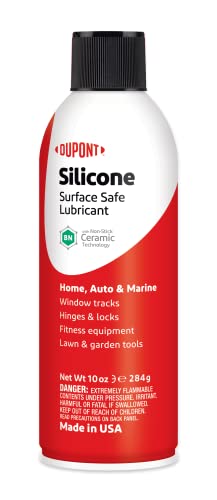
    Dupont Silicone Lubricant Surface Safe 10 oz
    Dupont Silicone Lubricant Surface Safe 10 oz

    DuPont Silicone Lubricant with Teflon Fluoro Polymer

    VIEW LATEST PRICE

    As an affiliate, we earn on qualifying purchases.

    Action Fitness 100% Silicone Treadmill Lubricant for Belt Maintenance - 4oz Bottle, Dual Applicators for Easy Lube Application - Extends Life, Smooths Operation
    Action Fitness 100% Silicone Treadmill Lubricant for Belt Maintenance - 4oz Bottle, Dual Applicators for Easy Lube Application - Extends Life, Smooths Operation

    Premium 100% Silicone Oil Treadmill Belt Lubricant (4oz): Ensure peak performance and longevity for your treadmill with our non-toxic, odorless formula designed for smooth, quiet operation and reduced friction.

    MUST READ
    Mastering Pruner Knives for Safe and Effective Gardening: Essential Tips and Maintenance
    VIEW LATEST PRICE

    As an affiliate, we earn on qualifying purchases.

    Check and Tighten Screws

    When fixing a ratchet lopper, one essential step is to Check and Tighten Screws regularly. Over time, the screws on your lopper may come loose due to wear and tear or repetitive use. Here’s how you can properly address this issue:

    • Inspect all screws on the lopper, including those securing the blades and the ratcheting mechanism.
    • Using an appropriate screwdriver, tighten any loose screws you find. Ensure they are secure but not overly tightened to prevent damage.
    • Test the lopper to see if the tightening has improved its functionality.
    • Regularly check the screws to prevent future loosening and maintain the effectiveness of your ratchet lopper.

    By taking the time to Check and Tighten Screws, you can prevent issues that may arise from loose components and ensure that your ratchet lopper remains in top working condition.

    Sharpen the Blade

    When it comes to maintaining your ratchet lopper, sharpening the blade is a crucial step in ensuring clean and efficient cuts.

    • Regular sharpening is essential to keep the blade performing at its best.
    • You can use a flat file to sharpen the blade at home.
    • Make sure to follow the blade’s original angle when sharpening.
    • Keep the blade sharp and clean to prevent damage to branches and ensure smooth cutting action.

    Remember, a sharp blade not only makes your work easier but also promotes healthier growth in your plants.

    Recommended Products
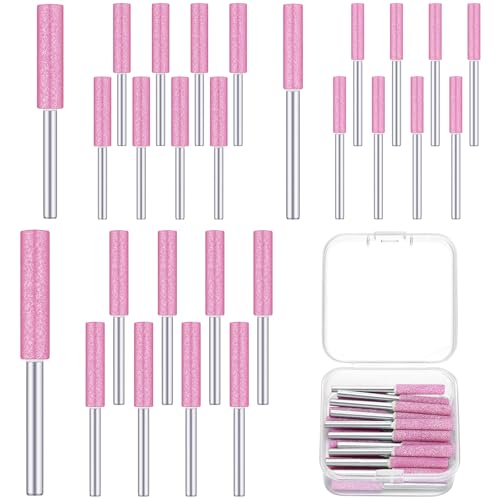
    Chumia 30 Pcs Electric Chainsaw Sharpening Bits Stone Kit,Pink
    Chumia 30 Pcs Electric Chainsaw Sharpening Bits Stone Kit,Pink

    Sturdy material: made of quality emery grain, which has good polishing effect, uniform and delicate carving, hard texture, the material is rust and wear resistant, sturdy and lightweight, not easy to break, deform or bend

    MUST READ
    Tree Pruners: Choosing the Right Lever Class for Effortless Gardening
    VIEW LATEST PRICE

    As an affiliate, we earn on qualifying purchases.

    Chumia 30 Pcs Electric Chainsaw Sharpening Bits Stone Kit,Gold
    Chumia 30 Pcs Electric Chainsaw Sharpening Bits Stone Kit,Gold

    Sturdy Material: high hardness titanium plated chainsaw sharpener bits are made of quality emery grain, which has good polishing effect, uniform and delicate carving, hard texture, the material is rust and wear resistant, sturdy and lightweight, not easy to break, deform or bend

    VIEW LATEST PRICE

    As an affiliate, we earn on qualifying purchases.

    Arkansas Sharpening Stone Set - Wood Mounted 8"
    Arkansas Sharpening Stone Set - Wood Mounted 8"

    3 Stones Included, Soft, Hard & Black Arkansas. Coarse, Fine and Extra-Fine Grits

    VIEW LATEST PRICE

    As an affiliate, we earn on qualifying purchases.

    Final Test and Adjustments

    You’re almost done fixing your ratchet lopper! Now it’s time to put it to the test and make any final adjustments to ensure it’s in top condition. Here’s what you need to do:

    • Test the Cutting Action: Try cutting a few branches to see if the blade is sharp and if the lopper functions smoothly.
    • Check for Tightness: Ensure all screws are securely tightened to prevent any wobbling or loose parts during use.
    • Inspect the Blade Edge: Look closely at the blade edge to see if any nicks or damages are present that may affect cutting performance.

    Remember, a well-maintained ratchet lopper will make your gardening tasks easier and more efficient. Keep up with regular maintenance to enjoy clean and precise cuts every time you use it.

    Important Note: If you encounter any issues during the test, refer back to the appropriate section in this guide for troubleshooting tips.

    MUST READ
    Choosing the Right TP6870 Corona Tree Pruner: Factors to Consider

    Test the Cutting ActionCheck for TightnessInspect the Blade Edge
    Make test cuts to ensure sharpness and smooth operationVerify all screws are securely tightenedLook for nicks or damages that may affect cutting

    Recommended Products

    Corona Tools Handheld Garden Tool Sharpener– Blade Sharpener for Pruning Shears, Loppers, Hedge Clippers & More
    Corona Tools Handheld Garden Tool Sharpener– Blade Sharpener for Pruning Shears, Loppers, Hedge Clippers & More

    Tungsten Carbide Blade for Fast, Effective Sharpening – Features a durable tungsten carbide sharpening edge that restores a sharp, clean blade in just a few strokes, helping pruners, loppers, shears, and knives cut smoothly with less resistance.

    VIEW LATEST PRICE

    As an affiliate, we earn on qualifying purchases.

    AccuSharp Garden Tool Sharpener, Diamond-Honed Tungsten Carbide Blades, Restores, Repairs, Sharpens & Hones Lawnmower Blades, Secateurs, Limb Loppers, Hoes, Shovels, and Scythes
    AccuSharp Garden Tool Sharpener, Diamond-Honed Tungsten Carbide Blades, Restores, Repairs, Sharpens & Hones Lawnmower Blades, Secateurs, Limb Loppers, Hoes, Shovels, and Scythes

    ONE-STOP GARDEN TOOL SHARPENER: The Garden Tool Sharpener restores and sharpens most blades to their sharpest condition in just a few strokes, ensuring peak performance with minimal effort - an ideal solution for maintaining razor-sharp edges on a vast array of tools including lawn mower blades, axes, hatchets, machetes, pruners, hedge shears, and scissors.

    VIEW LATEST PRICE

    As an affiliate, we earn on qualifying purchases.

    SHARPAL 129N Multipurpose Garden Tool Blade Sharpener
    SHARPAL 129N Multipurpose Garden Tool Blade Sharpener

    Durable tungsten carbide blade: This tungsten carbide sharpener is widely used for quickly sharpening or repairing damaged blades. It is particularly common in gardening, where it can be employed to hone nearly all types of garden tools.

    VIEW LATEST PRICE

    As an affiliate, we earn on qualifying purchases.

    Conclusion

    Maintaining your ratchet lopper is essential for smooth gardening tasks. Remember to clean, lubricate, and sharpen it regularly. After maintenance, test the lopper by checking its cutting action and ensuring all screws are secure. A well-kept lopper guarantees precise cuts and efficient performance. Regular care will keep your tool in top condition, making your gardening experience a breeze. Troubleshooting tips are handy if any issues arise. Happy gardening with your well-maintained ratchet lopper!

    MUST READ
    Echo vs Maxtra Pole Pruner Comparison: User-Friendly Features Explained

    Frequently Asked Questions

    1. Why is cleaning and lubricating a ratchet lopper important?

    Keeping the ratchet lopper clean and lubricated helps prevent rust, ensures smooth operation, and prolongs its lifespan.

    2. How should I sharpen the blade of a ratchet lopper?

    Use a flat file to sharpen the blade, maintaining the original bevel angle and removing any nicks or dull spots.

    3. What should I check during the final test of a ratchet lopper?

    Check the cutting action for smoothness, tighten all screws, and inspect the blade edge for any signs of damage.

    4. How does regular maintenance benefit the performance of a ratchet lopper?

    Regular maintenance enhances cutting efficiency, ensures clean and precise cuts, and prolongs the tool’s overall usability.

    5. Where can I find troubleshooting tips for issues with a ratchet lopper during testing?

    Refer to the article for troubleshooting tips or seek guidance from a professional if problems persist.

    Share. Facebook Twitter Pinterest LinkedIn Tumblr Email
    lucy smith
    Lucy Smith
    • Website

    Lucy Smith is a highly experienced horticulturist with a passion for fruit tree cultivation. She holds a degree in Horticulture from the University of California, Davis, and has worked in various roles in the industry. With over 10 years of experience, Lucy is dedicated to using eco-friendly methods for sustainable gardening practices.

    Related Posts

    5 Best Cordless Pruners of 2024 – Effortless Gardening Tools Reviewed

    September 26, 2024

    The 5 Best Loppers of 2024: Pruning Made Easy and Efficient

    September 26, 2024

    The 5 Best Pruning Saws of 2024 – Cut Through Your Gardening Tasks With Ease

    September 26, 2024

    The 5 Best Pruning Shears of 2024 – Your Essential Gardening Tools

    September 26, 2024

    5 Best Heavy Duty Pruning Shears for Effortless Gardening in 2024

    September 26, 2024

    The 4 Best Pruning Blades for Reciprocating Saws: Ultimate Guide for Gardeners

    September 26, 2024
    Leave A Reply Cancel Reply

    Affiliate Disclosure

    As an Amazon Associate I earn from qualifying purchases.

    Recommended Reading

    Where to See Famous Papaya Orchards

    How Long Does It Take Peach Trees to Bear Fruit: Tips for Growing and Caring for Your Trees

    How to Identify Different Papaya Tree Varieties

    How Do You Get Rid of Ants on Fruit Trees: Effective Strategies for a Healthy Harvest

    How Many Years Do Pear Trees Produce Fruit and Tips for Optimal Harvesting

    Lime Trees in Dallas, TX: North Texas Growth Secrets

    Can Tangerine Trees Grow in a Pot in Houston, TX? Humidity Tips

    Can Jujube Trees Grow in Cleveland, OH? Great Lakes Secrets

    How Often to Water Mature Fruit Trees for Optimal Growth and Fruit Quality

    Can You Use Roundup Around Fruit Trees Safely Without Harming Your Plants?

    Fruit Tree Hub

    Fruit Tree Hub is a website dedicated to providing you everything you need to grow fruit trees successfully at in your own yard.

    Contact us at: [email protected]

    - AFFILIATE DISCLOSURE: As an Amazon Associate I earn from qualifying purchases.

    Latest Posts

    Can Olive Trees Grow in New Jersey? Garden State Growth Tips

    Can Star Fruit Trees Grow in Missouri? Expert Variety Guide

    How to Grow Jujube Trees in Las Vegas, NV: Desert Growth

    Mango Trees in Illinois: Indoor and Greenhouse Growth Secrets

    Growing Papaya Trees in Oklahoma: High Heat Resilience

    Tamarind Trees in a Pot in Ohio (Complete Maintenance Manual)

    Can Fig Trees Grow in Long Beach, CA? Coastal Salt Tips

    Plum Trees in District of Columbia (Urban Microclimate Tips)

    Categories
    • Almond Trees
    • Apple Trees
    • Apricot Trees
    • Best Fruit Trees
    • Blackberry
    • Cantaloupe
    • Cherry Trees
    • Crochet Ideas
    • Crochet Ideas for Beginners
    • Cucamelon
    • Easy Crochet Ideas
    • Easy Knitting Projects
    • Fig Trees
    • Grapefruit Trees
    • Grapes
    • Guava Trees
    • Honeydew
    • Jujube Trees
    • Kiwi
    • Knitting For Beginners
    • Knitting Ideas
    • Knitting Inspiration
    • Lemon Trees
    • Lime Trees
    • Loquat Trees
    • Mango Trees
    • Mulberry Trees
    • Nectarine Trees
    • Olive Trees
    • Orange Trees
    • Papaya Trees
    • Peach Trees
    • Pear Trees
    • Persimmon Trees
    • Planting
    • Plum Trees
    • Pomegranate Trees
    • Quince Trees
    • Raspberry
    • Reviews
    • Small Crochet Ideas
    • Star Fruit Trees
    • Summer Crochet Ideas
    • Tamarind Trees
    • Tangerine Trees
    • Tips and Advice
    • Tools
    • Uncategorized
    • Walnut Trees
    © 2026 Fruit Tree Hub
    • Home
    • About Us
    • Contact
    • Privacy Policy
    • Terms and Conditions
    • Disclaimer
    • Editorial Policy
    • Affiliate Disclosure

    Type above and press Enter to search. Press Esc to cancel.