Close Menu
    Fruit Tree Hub
    • Home
    • Apple Trees
    • Lemon Trees
    • Mango Trees
    • Orange Trees
    • More Trees
      • Best Fruit Trees
      • Apricot Trees
      • Cherry Trees
      • Fig Trees
      • Lime Trees
      • Mulberry Trees
      • Peach Trees
      • Pear Trees
      • Plum Trees
      • Pomegranate Trees
    • Tips and Advice
      • Tools
    • About Us
      • Contact
      • Privacy Policy
    Fruit Tree Hub
    Home»Fruit Trees»Guava Trees»How to Create a Guava Tree Orchard
    Guava Trees

    How to Create a Guava Tree Orchard

    Lucy SmithBy Lucy SmithMarch 15, 20245 Mins Read
    Share Facebook Twitter Pinterest WhatsApp Email
    Share
    Facebook Twitter LinkedIn Pinterest Telegram Email

    Picture strolling through a sunny orchard, surrounded by the sweet scent of ripe guavas.

    Contents show
    1 Key Takeaways
    2 Selecting the Right Location
    3 Preparing the Soil
    4 Choosing and Planting the Guava Trees
    5 Caring for Your Guava Orchard
    6 Harvesting and Maintaining the Orchard
    7 Conclusion

    Starting your own guava tree orchard can be a fulfilling venture, but it takes planning and care.

    From picking the right spot to tending to your trees for the best fruit, there's a lot to think about.

    Whether you're an experienced gardener or new to fruit growing, this guide will help you establish and maintain a successful guava orchard.

    Key Takeaways

    • Select a location with ample sunlight, well-draining soil, and protection from strong winds for your guava tree orchard.
    • Prepare the soil by loosening it to a depth of at least 12 inches, conducting a soil test, removing rocks and debris, and incorporating organic matter.
    • Choose guava trees that are suitable for your climate and soil conditions, and plant them in a sunny location with well-drained soil during early spring or fall.
    • Care for your guava orchard by mulching, regular pruning, inspecting for pests, and implementing a pest control plan using natural methods.

    Selecting the Right Location

    To ensure the optimal growth of your guava trees, it's essential to carefully select a location with ample sunlight, well-draining soil, and protection from strong winds. Guava trees thrive in tropical to subtropical regions, preferring a climate with warm temperatures and consistent humidity. They require well-draining soil to prevent waterlogging, which can lead to root rot. Sandy loam or loamy soil with a slightly acidic to neutral pH level is ideal for guava trees.

    MUST READ
    Can Guava Trees Grow in Cold Climates

    When choosing a location, envision a spot that receives full sunlight for at least 6-8 hours a day. This will encourage robust growth and bountiful fruit production. Additionally, consider planting your guava trees in a sheltered area to shield them from strong winds, which can damage the delicate branches and blossoms.

    Preparing the Soil

    Prepare the soil by loosening it to a depth of at least 12 inches to ensure optimal root development and water penetration.

    Before planting your guava trees, it's crucial to conduct a soil test to determine its pH levels and nutrient composition.

    Here's how to prepare the soil for your guava tree orchard:

    • Start by removing any rocks, debris, or weeds from the planting area to create a clean and fertile space for your trees.
    • This will prevent competition for nutrients and allow the guava trees to thrive.
    • Incorporate organic matter such as compost or well-rotted manure into the soil to improve its structure and fertility.
    • Organic matter enhances the soil's ability to retain moisture and nutrients, promoting healthy root growth.
    • Consider using fertilization techniques based on the results of your soil test to address any nutrient deficiencies.
    • Proper fertilization will ensure that your guava trees have access to essential nutrients for robust growth and fruit production.

    Recommended Products

    Rapitest Soil Test Kit for Gardens, Vegetables, Flowers and Lawns. USA designed and assembled soil tester completely, quickly and accurately measures/analyzes soil pH acidity and garden nutrients.
    Rapitest Soil Test Kit for Gardens, Vegetables, Flowers and Lawns. USA designed and assembled soil tester completely, quickly and accurately measures/analyzes soil pH acidity and garden nutrients.

    Quick, at home results for Soil pH, Nitrogen, Phosphorous and Potash Innovative and inexpensive soil test kit features an easy-to-use capsule system and patented color comparators

    MUST READ
    How Guava Trees Benefit Local Ecosystems
    VIEW LATEST PRICE

    As an affiliate, we earn on qualifying purchases.

    Rapitest Soil Test Kit for Gardens, Vegetables, Flowers and Lawns. USA designed and assembled soil tester completely, quickly and accurately measures/analyzes soil pH acidity and garden nutrients
    Rapitest Soil Test Kit for Gardens, Vegetables, Flowers and Lawns. USA designed and assembled soil tester completely, quickly and accurately measures/analyzes soil pH acidity and garden nutrients

    Quick, at home results for Soil pH, Nitrogen, Phosphrous and Potash

    VIEW LATEST PRICE

    As an affiliate, we earn on qualifying purchases.

    VIVOSUN Digital pH and TDS Meter Kits, 0.01pH High Accuracy Pen Type pH Meter ± 2% Readout Accuracy 3-in-1 TDS EC Temperature Meter for Hydroponics, Pool and Aquarium, Yellow Blue, UL Certified
    VIVOSUN Digital pH and TDS Meter Kits, 0.01pH High Accuracy Pen Type pH Meter ± 2% Readout Accuracy 3-in-1 TDS EC Temperature Meter for Hydroponics, Pool and Aquarium, Yellow Blue, UL Certified

    Application: Great for all home and laboratory TDS & pH testing applications including aquariums, swimming pools

    VIEW LATEST PRICE

    As an affiliate, we earn on qualifying purchases.

    Choosing and Planting the Guava Trees

    When selecting guava trees for your orchard, consider the climate and soil conditions to ensure successful growth and abundant fruit production. Choose a sunny location with well-drained soil for optimal results. Guava trees thrive in tropical and subtropical climates, so ensure your orchard is in a region with warm temperatures.

    The spacing between guava trees should be around 12-15 feet to allow ample room for growth and to facilitate proper air circulation. Plant the trees during the early spring or fall, and ensure they're watered deeply once or twice a week, depending on the weather conditions. Adjust the watering schedule during rainy or dry periods to maintain consistent soil moisture.

    Proper planting and watering will lay the foundation for healthy and productive guava trees in your orchard.

    MUST READ
    The Ultimate Guide to Guava Tree Care

    Recommended Products

    60+ Guava Fruit Tree Seeds for Planting Outdoors-Exotic and Delicious Tropical Fruit
    60+ Guava Fruit Tree Seeds for Planting Outdoors-Exotic and Delicious Tropical Fruit

    High Nutritional Value: Guava fruit is packed with vitamins, particularly vitamin C, antioxidants, fiber, and essential minerals, making it a nutritious addition to any diet.

    VIEW LATEST PRICE

    As an affiliate, we earn on qualifying purchases.

    Guava Tree Fertilizer – Liquid Plant Food for More Fruit, Better Flowering & Stronger Root Development, 8 oz
    Guava Tree Fertilizer – Liquid Plant Food for More Fruit, Better Flowering & Stronger Root Development, 8 oz

    Made for Guava Trees – Formulated to support healthy growth in guava trees at all growth stages.

    VIEW LATEST PRICE

    As an affiliate, we earn on qualifying purchases.

    30+ Pink Guava Seeds Tropical Strawberry Guava Tree Seed Easy Fruit Fruit Garden Fresh Grow Plant Psidium guajava
    30+ Pink Guava Seeds Tropical Strawberry Guava Tree Seed Easy Fruit Fruit Garden Fresh Grow Plant Psidium guajava

    Elevate your garden with the exquisite charm of Tropical Strawberry Guava, and cultivate your own paradise with our 30pcs organic pink guava seeds.

    VIEW LATEST PRICE

    As an affiliate, we earn on qualifying purchases.

    Caring for Your Guava Orchard

    Consider mulching around the base of your guava trees to retain moisture and control weed growth in your orchard. This will help maintain the ideal growing conditions for your trees.

    Here are some key care tips:

    • Pruning Techniques
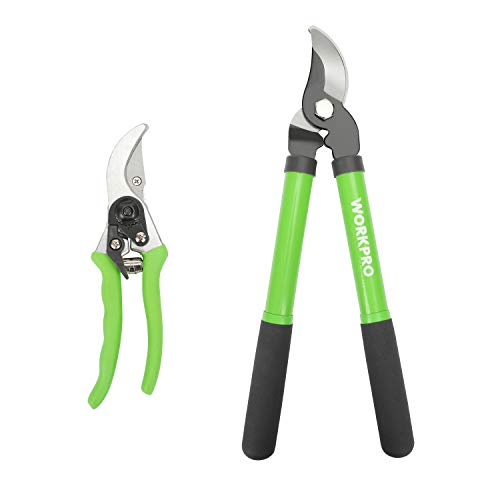
    • Regularly prune your guava trees to remove dead or diseased branches, and to shape the tree for better sunlight exposure and air circulation.
    • Trim back any overly dense areas to encourage fruit production and improve tree health.
    • Remember to sterilize your pruning tools to prevent the spread of diseases between trees.
    • Pest Control Strategies
    • Inspect your trees regularly for signs of pests such as fruit flies, scale insects, or aphids.
    • Consider using natural predators like ladybugs or introducing beneficial nematodes to control pest populations.
    • Use organic pest control methods to minimize chemical exposure and protect the environment.
    MUST READ
    Are Guava Trees Suitable for Small Gardens

    Proper care will ensure healthy, productive guava trees in your orchard.

    Harvesting and Maintaining the Orchard

    To ensure a successful harvest and maintain the health of your guava orchard, it's essential to follow proper pruning and pest control techniques.

    Pruning techniques, when done correctly, promote healthy growth, increase fruit production, and improve overall tree structure. Start by removing dead or diseased branches, then thin out the canopy to allow sunlight and air to reach the inner branches. This encourages new growth and better fruiting.

    Regularly inspect your trees for signs of pests and diseases. Implement a pest control plan using natural predators, organic sprays, or traps. By staying proactive, you can prevent pest infestations and ensure the long-term health of your guava orchard.

    Proper pruning and effective pest control will contribute to a bountiful harvest and thriving orchard.

    Conclusion

    In the end, creating a guava tree orchard is a rewarding endeavor that promises a bountiful harvest of sweet and juicy guavas.

    With the right location, soil preparation, tree selection, and diligent care, your orchard will flourish and provide you with an abundance of delicious fruit.

    Take the time to savor the fruits of your labor and share the joy with loved ones.

    Happy orchard growing!

    Share. Facebook Twitter Pinterest LinkedIn Tumblr Email
    lucy smith
    Lucy Smith
    • Website

    Lucy Smith is a highly experienced horticulturist with a passion for fruit tree cultivation. She holds a degree in Horticulture from the University of California, Davis, and has worked in various roles in the industry. With over 10 years of experience, Lucy is dedicated to using eco-friendly methods for sustainable gardening practices.

    Related Posts

    Why Do Guava Trees Produce Edible Seeds

    March 20, 2024

    Can Guava Trees Adapt to Climate Change

    March 20, 2024

    Creating a Wildlife Habitat With Guava Trees

    March 20, 2024

    Where Are Guava Trees Considered Invasive

    March 20, 2024

    Is Guava Tree Pollen Allergenic

    March 20, 2024

    Can Guava Trees Be Used in Traditional Medicine

    March 20, 2024
    Leave A Reply Cancel Reply

    Affiliate Disclosure

    As an Amazon Associate I earn from qualifying purchases.

    Recommended Reading

    When Do Fig Trees Produce Fruit in Israel and How to Maximize Your Harvest

    What Fruits Grow in Trees and How to Successfully Cultivate Them in Your Garden

    How to Protect Fruit Trees in Winter with Effective Strategies for Healthier Growth

    Can Guava Trees Grow in Memphis, TN? Mid-South Success Tips

    Growing Apricot Trees in Kansas City, MO: Regional Planting Guide

    When Does a Lemon Tree Bear Fruit and How to Ensure a Bountiful Harvest

    Is Star Fruit Wood Durable for Furniture Making

    How to Replace Rope on Fiskars Tree Pruner: Step-by-Step Guide

    How to Recognize Fruit Trees Easily: Tips for Identifying Various Species in Your Area

    Why Has My Lemon Tree Stopped Producing Fruit: Common Causes and Solutions to Revive Growth

    Fruit Tree Hub

    Fruit Tree Hub is a website dedicated to providing you everything you need to grow fruit trees successfully at in your own yard.

    Contact us at: [email protected]

    - AFFILIATE DISCLOSURE: As an Amazon Associate I earn from qualifying purchases.

    Latest Posts

    Plum Trees in a Pot in Austin, TX (Central Texas Growth Guide)

    Lemon Trees in Irvine, CA: Coastal Soil Management Secrets

    Growing Mango Trees in New York (Upstate Soil and Winter Tips)

    Can Pomegranate Trees Grow in a Pot in Tennessee? Expert Tips

    Mulberry Trees in a Pot in North Carolina: Piedmont Regional Tips

    Growing Star Fruit Trees in a Pot in South Carolina (Pro Advice)

    Orange Trees in District of Columbia (Urban Microclimate Tips)

    Mulberry Trees in a Pot in Virginia: Expert Advice for Gardeners

    Categories
    • Almond Trees
    • Apple Trees
    • Apricot Trees
    • Best Fruit Trees
    • Blackberry
    • Cantaloupe
    • Cherry Trees
    • Crochet Ideas
    • Crochet Ideas for Beginners
    • Cucamelon
    • Easy Crochet Ideas
    • Easy Knitting Projects
    • Fig Trees
    • Grapefruit Trees
    • Grapes
    • Guava Trees
    • Honeydew
    • Jujube Trees
    • Kiwi
    • Knitting For Beginners
    • Knitting Ideas
    • Knitting Inspiration
    • Lemon Trees
    • Lime Trees
    • Loquat Trees
    • Mango Trees
    • Mulberry Trees
    • Nectarine Trees
    • Olive Trees
    • Orange Trees
    • Papaya Trees
    • Peach Trees
    • Pear Trees
    • Persimmon Trees
    • Planting
    • Plum Trees
    • Pomegranate Trees
    • Quince Trees
    • Raspberry
    • Reviews
    • Small Crochet Ideas
    • Star Fruit Trees
    • Summer Crochet Ideas
    • Tamarind Trees
    • Tangerine Trees
    • Tips and Advice
    • Tools
    • Uncategorized
    • Walnut Trees
    © 2026 Fruit Tree Hub
    • Home
    • About Us
    • Contact
    • Privacy Policy
    • Terms and Conditions
    • Disclaimer
    • Editorial Policy
    • Affiliate Disclosure

    Type above and press Enter to search. Press Esc to cancel.