

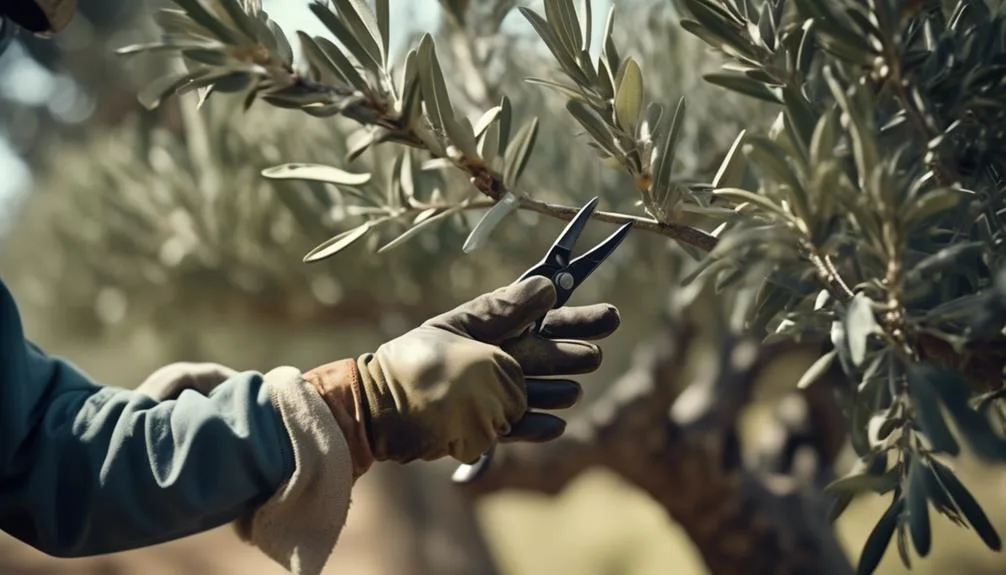
Dealing with pests on your olive trees can be tough, but don't worry – there are effective ways to keep them under control.
From spotting the common culprits to exploring natural and chemical control options, there are strategies to help.
Before you start, it's important to understand how to manage these intruders to keep your olive trees healthy.
Let's look at the practical steps you can take to protect your olive trees from these unwelcome visitors.
Key Takeaways
- Regularly inspect olive trees for signs of pest activity
- Utilize natural pest control methods such as neem oil and beneficial insects
- Consider chemical pest control options if natural methods are not effective
- Implement integrated pest management practices to promote overall tree health and prevent future infestations
Identifying Common Olive Tree Pests
To identify common olive tree pests, start by inspecting the leaves, branches, and trunk for any signs of damage or infestation. Look for holes in the leaves, sticky substances, or unusual discoloration. Pests like olive fruit flies, scale insects, and olive psyllids are known to cause such symptoms.
Regular pest monitoring is essential to catch infestations early. Utilize sticky traps to monitor and capture flying pests, and regularly check the undersides of leaves for pests and their eggs.
Additionally, maintaining a healthy environment for your olive trees, including proper irrigation and fertilization, can help them resist pests.
Natural Pest Control Methods
Implementing natural pest control methods for olive trees is a sustainable and effective way to manage pests while minimizing environmental impact. Organic remedies such as neem oil, insecticidal soaps, and horticultural oils can help control pests without leaving harmful residues on the olives. These remedies suffocate, repel, or disrupt the life cycle of pests, thus reducing their populations.
Additionally, attracting beneficial insects like ladybugs, lacewings, and parasitic wasps to the olive grove can provide natural pest control. These insects prey on common olive pests, keeping their populations in check.
Recommended Products
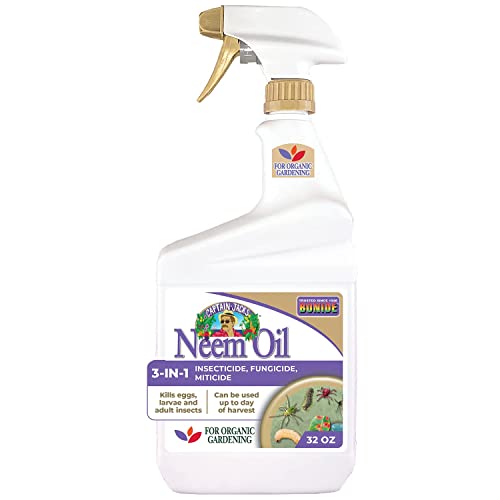
Protect your oasis with 3 garden products in 1 from Captain Jack’s; Bonide Captain Jack’s Ready-to-Use Neem Oil spray for plants is a multi-purpose fungicide, insecticide and miticide for your lawn & garden
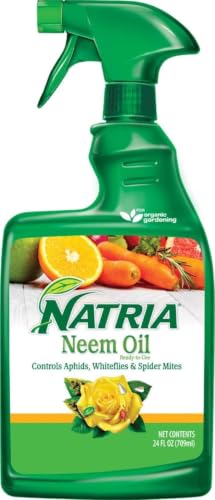
PLANT DISEASE CONTROL: Natria Neem Oil acts as an insecticide and fungicide in one convenient spray; Ready-to-use trigger sprayer requires no mixing

FUNGAL DISEASE CONTROL: Prevents and controls black spot on roses, powdery mildew, rust, downy mildew, and other listed fungal diseases when applied on a 7–14 day schedule
Chemical Pest Control Options
Consider incorporating chemical pest control options if natural methods have not effectively managed the pests on your olive trees. When selecting effective pesticides, look for products specifically labeled for olive trees and the specific pests you are targeting. It's important to consider the potential impact on beneficial insects and the environment. Understanding application techniques is crucial for maximizing the effectiveness of chemical pest control. Follow the manufacturer's instructions for dilution ratios, application frequency, and timing. Always wear protective gear and avoid spraying during windy conditions to prevent drift. Here's a helpful table outlining some common chemical pest control options:
| Chemical Pest Control Options | Target Pests | Application Frequency | Potential Impact |
|---|---|---|---|
| Insecticidal soap | Aphids | Weekly | Low |
| Neem oil | Scale insects | Bi-weekly | Low |
| Pyrethroids | Caterpillars | As needed | Moderate |
Recommended Products

READY-TO-USE CONTACT SPRAY: No mixing required. Thoroughly spray insecticide on all plant parts, including the underside of leaves. Pests must be sprayed directly to achieve control
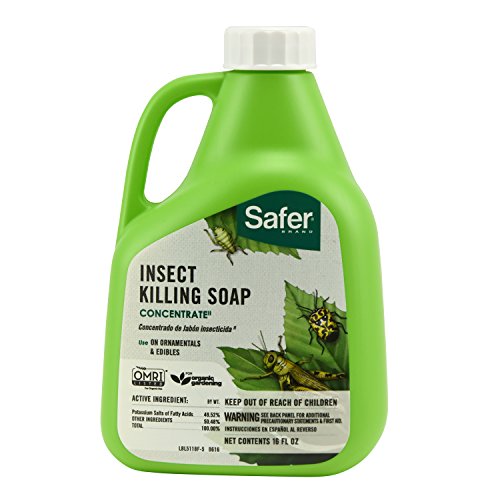
GENTLE ON MOST PLANTS - This aphid spray is ideal for use on flowers, herbs, vegetables, houseplants, lawn, tree, shrubs, and more

CROP, GARDEN & HOUSEPLANT INSECT CONTROL. Trifecta Crop Control all-natural, plant-based formula effectively combats destructive spider mites, aphids, whiteflies, fungus gnats, and other soft-bodied pests on indoor and outdoor plants. Our biodegradable, eco-friendly solution is safe for use on edible crops, without chemical residues. Our gentle yet potent plant spray suffocates and dehydrates pests without harming beneficial insects or the environment, making it ideal for organic gardening.
Integrated Pest Management for Olive Trees
If natural methods haven't effectively managed the pests on your olive trees, integrating pest management for olive trees is a comprehensive approach that considers both natural and chemical control options.
Start by focusing on soil health. Healthy soil promotes strong olive tree growth, making them more resilient to pest attacks. Consider using compost or organic mulch to improve soil health.
Additionally, encourage the presence of beneficial insects such as ladybugs and lacewings, which naturally prey on olive tree pests. These insects can be attracted by planting diverse flowering plants near the olive trees.
Recommended Products
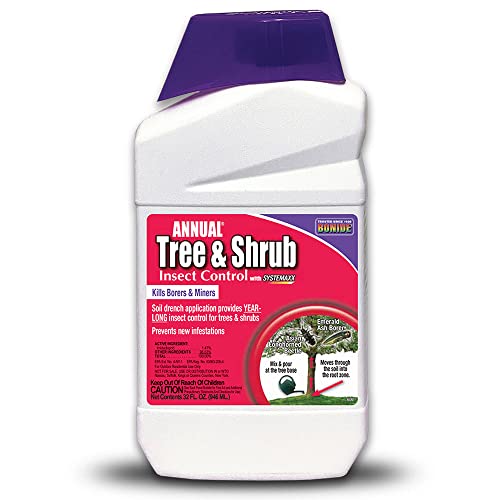
Kill borers, miners and more in your lawn and garden with Annual Tree & Shrub Insect Control Concentrate with Systemaxx from Bonide

TRIPLE PROTECTION FORMULA: 3-in-1 solution kills listed insects, controls listed diseases, and controls listed mites with one easy application

【FAST ACTION & THOROUGH KILL】: EcoVenger's Ready-to-use plant bug spray is designed for most grown plants, instantly targeting and wiping out horticultural insects on contact—perfect for both outdoor and indoor plants. For delicate and newly sprouted plant parts, simply dilute with water according to the label instructions.
Preventing Future Pest Infestations
To prevent future pest infestations on your olive trees, regularly monitor the trees for early signs of pest activity and implement timely interventions as needed. Utilizing various preventive measures can help maintain a healthy environment for your olive trees. Consider using repellent plants, introducing beneficial insects, implementing physical barriers, and making soil amendments to deter pests from infesting your trees. Here's a simple guide to these preventive measures:
```markdown
| Preventive Measure | Description |
|---|---|
| Repellent Plants | Planting aromatic herbs and flowers known to repel pests around the olive trees can help deter them. |
| Beneficial Insects | Introducing predator insects such as ladybugs and lacewings can control pest populations naturally. |
| Implementing Barriers | Using physical barriers like row covers and sticky traps can prevent pests from reaching the olive trees. |
| Soil Amendments | Adding organic matter and beneficial microorganisms to the soil can improve its health and resilience against pests. |
```
Conclusion
Incorporating these pest control strategies will safeguard your olive trees and promote their well-being.
By identifying common pests, utilizing natural and chemical control methods, and implementing integrated pest management, you can maintain the health and productivity of your trees.
Remember to take preventative measures to deter future infestations.
With these approaches in place, your olive grove will flourish, allowing you to savor the fruits of your labor.
