

Are you struggling to find the right watering schedule for your grapefruit trees? Picture this: you’re standing in your garden, wondering if you’re giving your citrus trees enough water. How often should you water your grapefruit trees to ensure they thrive and bear delicious fruits?
In this article, you’ll discover the simple yet crucial secrets to watering your grapefruit trees effectively. By understanding the watering needs of your citrus trees, you’ll be equipped to nurture them to their full potential. Stay tuned to learn how to keep your grapefruit trees happy and healthy all year round.
Key Takeaways
- Choose well-draining soil like sandy loam or loamy soil for grapefruit trees to prevent root rot.
- Water young grapefruit trees regularly to establish a strong root system and adjust watering frequency based on tree age.
- Increase watering during hot weather and reduce frequency in cooler months to prevent stress and waterlogging.
- Use a drip irrigation system to water at the base of the tree efficiently and consider mulching to retain moisture and regulate soil temperature.
- Watch for signs of overwatering (yellowing leaves, wilting, mold) or underwatering (drooping leaves, dry soil) and adjust watering practices accordingly.
- Monitor soil moisture levels regularly, water deeply but infrequently, focus on the root zone, and adjust watering practices based on signs and environmental conditions.
Factors to Consider for Proper Watering of Grapefruit Trees
Understanding the specific needs of grapefruit trees is crucial for their overall health and fruit production. Here are essential factors to consider when watering your grapefruit trees:
1. Soil Type:
Choose well-draining soil to prevent waterlogging that can lead to root rot. Sandy loam or loamy soil types are ideal for grapefruit trees.
2. Watering Frequency:
Water young grapefruit trees regularly to establish a strong root system. During the growing season, water deeply but infrequently to encourage deep root growth.
3. Environmental Conditions:
Take into account the climate in your area. Grapefruit trees in hotter regions may require more frequent watering, while those in cooler areas may need less.
4. Tree Age:
Young grapefruit trees need more frequent watering than mature trees. Adjust your watering schedule based on the age of the tree to meet its specific requirements.
5. Seasonal Variations:
Increase watering during hot weather or dry spells to prevent stress on the tree. In cooler months, reduce watering frequency to avoid waterlogged soil.
6. Watering Technique:
Water at the base of the tree to ensure deep penetration and minimize evaporation. Use a drip irrigation system or a soaker hose for efficient watering.
7. Mulching:
Apply a layer of mulch around the base of the tree to retain moisture, regulate soil temperature, and reduce water loss through evaporation.
8. Signs of Overwatering:
Watch for signs of overwatering such as yellowing leaves, wilting, or mold growth. Adjust your watering schedule if you observe these symptoms.
9. Signs of Underwatering:
Similarly, monitor your tree for signs of underwatering like drooping leaves or dry soil. Increase watering frequency if needed to maintain optimal soil moisture levels.
By considering these factors and adapting your watering practices accordingly, you can ensure that your grapefruit trees receive the right amount of water to thrive and bear delicious fruits throughout the year.
Best Practices for Watering Grapefruit Trees
To ensure the optimal health and fruit production of your grapefruit trees, it’s essential to follow some key practices when it comes to watering. By adhering to these guidelines, you can create an environment that promotes the growth and vitality of your trees.
Monitor Soil Moisture Levels Regularly
Check the soil moisture around your grapefruit trees regularly. Stick your finger into the soil near the root zone – if it feels dry about 2 inches down, it’s time to water. Consistent monitoring helps you avoid both under- and overwatering, ensuring your trees receive the right amount of hydration.
Watering Frequency
In general, grapefruit trees require regular watering, especially during dry spells or hot weather. Aim to water deeply but infrequently. Provide a thorough soaking to encourage deep root growth, typically every 1-2 weeks, depending on environmental conditions. Adjust the frequency based on the season and local climate.
Proper Watering Technique
When watering your grapefruit trees, focus on the root zone rather than the foliage. Use a drip irrigation system or a soaker hose to deliver water directly to the roots. This method helps prevent water loss through evaporation and ensures efficient absorption by the tree’s roots.
Mulching Benefits
Applying a 2-3 inch layer of organic mulch around the base of your grapefruit trees offers multiple advantages. Mulch helps retain soil moisture, regulates soil temperature, suppresses weeds, and provides essential nutrients as it breaks down. Mulching can reduce the frequency of watering needed for your trees.
Signs of Overwatering or Underwatering
Pay attention to signs that indicate your grapefruit trees are receiving either too much or too little water. Symptoms of overwatering include yellowing leaves, root rot, and mold growth. Underwatering may lead to wilted or curling leaves. Adjust your watering regimen promptly if you notice these signs.
Following these best practices for watering your grapefruit trees can contribute significantly to their overall health and fruit production. By maintaining proper moisture levels, you’ll support the growth of vibrant trees that yield delicious grapefruits for you to enjoy.
Signs of Overwatering and Underwatering Grapefruit Trees
Recognizing when your grapefruit tree is getting too much or too little water is crucial for its well-being. Here are the signs to watch out for:
Recommended Products

Accurate Soil Moisture Detection: The XLUX Soil Moisture Meter can tell you if the soil deep inside your pot or garden is dry, moist or wet; whereas your eyes and fingers can only determine the moisture level of the soil surface. The probe is 5.5 inches (14 cm) longer than regular styles, allowing it to measure the soil moisture at the bottom of larger and deeper flower pots.

Trusted Since 2015: Become one of the many plant lovers who rely on the proven accuracy of XLUX. Established in 2015, our soil moisture meter has earned over 60,000+ verified ratings for its consistent performance. While many many newer brands come and go, we provide the long-term reliability and quality that American households have trusted for over a decade.
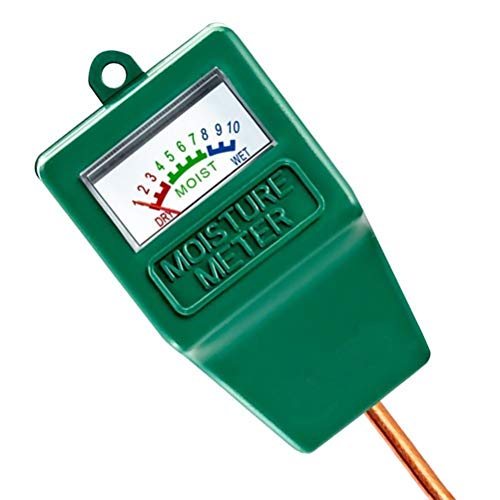
Soil Moisture Meter: This single probe soil moisture meter is specially designed for testing the moisture level in the soil, helps you decide whether the plants need water or not, helps to keep plants alive.
Overwatering Signs:
- Yellowing Leaves: If you notice the leaves turning yellow, especially in the lower parts of the tree, it could indicate overwatering.
- Leaf Drop: Excessive watering can lead to leaf drop, where the tree sheds leaves prematurely.
- Root Rot: Overwatered trees are susceptible to root rot, causing the roots to decay and affecting the tree’s ability to absorb nutrients.
- Mold and Mildew: Too much moisture encourages the growth of mold and mildew on the leaves and stems.
- Wilting Leaves: Leaves that appear droopy or limp indicate that the tree is not getting enough water.
- Dry, Brittle Leaves: When the leaves feel dry and brittle to the touch, it’s a sign of dehydration.
- Leaf Curling: Underwatered trees may exhibit leaf curling as a mechanism to conserve water.
- Stunted Growth: Insufficient water can lead to stunted growth, affecting the overall health and fruit production of the tree.
By paying attention to these signs and adjusting your watering practices accordingly, you can ensure that your grapefruit tree receives the right amount of water to thrive.
Maintaining Proper Soil Moisture for Healthy Grapefruit Trees
Ensuring your grapefruit trees have the right soil moisture is crucial for their overall health and fruit production. Here’s how you can maintain proper soil moisture:
Monitoring Soil Moisture Levels Regularly
To keep your grapefruit trees healthy, check the soil moisture regularly. Stick your finger into the soil near the tree. If it’s dry to a depth of about 2-4 inches, it’s time to water.
Watering Deeply but Infrequently
When watering your grapefruit trees, make sure to water deeply. This helps the roots grow stronger as they seek out water deeper in the ground. Water the trees thoroughly once a week rather than giving them small amounts daily.
Adjusting Watering Practices Based on Signs
Pay attention to signs of overwatering and underwatering. If you notice yellowing leaves, leaf drop, root rot, mold, or mildew, you might be overwatering. In contrast, wilting leaves, dry leaves, leaf curling, or stunted growth could indicate underwatering.
Adapting to Environmental Conditions
Remember that environmental factors like temperature and humidity can affect soil moisture levels. During hot and dry periods, you may need to water your grapefruit trees more frequently. In cooler and wetter weather, adjust your watering schedule accordingly.
Mulching for Moisture Retention
Mulching around your grapefruit trees helps retain soil moisture by reducing evaporation. Apply a layer of organic mulch, such as wood chips or straw, around the base of the trees. This will also help regulate soil temperature and prevent weed growth.
By following these practices and staying attentive to your grapefruit trees’ water needs, you can maintain proper soil moisture levels for healthy growth and bountiful fruit production.
Conclusion
Understanding the specific soil moisture needs of your grapefruit trees is crucial for their well-being and productivity. By monitoring soil moisture levels, watering deeply but infrequently, and adjusting based on signs of overwatering or underwatering, you can ensure optimal growth. Environmental factors like temperature and humidity play a role in soil moisture, so adapt your watering practices accordingly. Don’t forget the benefits of mulching to retain moisture and regulate temperature. With these practices in place, your grapefruit trees will thrive and reward you with bountiful fruit yields.
Frequently Asked Questions
Why is monitoring soil moisture important for grapefruit trees?
Regular monitoring ensures that grapefruit trees receive adequate water, preventing issues like overwatering or underwatering that can harm tree health and fruit production.
How often should grapefruit trees be watered?
Water deeply but infrequently, allowing the soil to dry out slightly between waterings to encourage deep root growth.
What environmental factors affect soil moisture levels?
Temperature and humidity levels impact soil moisture, influencing how quickly water evaporates from the soil and how frequently trees need watering.
How can mulching help maintain soil moisture?
Mulching helps retain soil moisture by reducing evaporation, regulating soil temperature, and suppressing weed growth around grapefruit trees.
