

Have you ever wondered how often your nectarine trees will bear fruit? Picture this: eagerly planting your nectarine tree, dreaming of juicy, sun-ripened fruits, only to be left wondering when to expect your first harvest. In this article, you’ll discover the simple secrets to understanding the fruiting habits of nectarine trees.
By exploring the frequency of nectarine tree fruiting, you’ll gain valuable insights into nurturing your tree for optimal harvests. Whether you’re a novice gardener or a seasoned pro, knowing when to expect those delicious nectarines can enhance your gardening experience. Stay tuned to learn more about the rhythm of nectarine tree fruiting and how to ensure a bountiful yield season after season.
Key Takeaways
- Climate and weather conditions significantly influence nectarine tree fruit production, with mild winters and hot summers fostering consistent fruiting.
- Proper pruning and thinning practices are crucial for enhancing sunlight exposure and airflow within the canopy, promoting better fruit development.
- Soil quality and nutrient availability play a vital role in supporting healthy root development and overall tree growth, impacting fruit yield significantly.
- Understanding the fruit-bearing patterns and factors influencing fruit production in nectarine trees is essential for maximizing harvests each season.
- Implementing optimal practices such as adequate irrigation, soil management, pest control, and pollination techniques can foster healthy growth and abundant fruiting in nectarine trees.
- Harvest nectarines at peak ripeness for the best flavor, handle fruits delicately during harvesting, and store them correctly to enjoy fresh, homegrown nectarines beyond the harvest season.
Factors Affecting Fruit Production in Nectarine Trees
Understanding the factors that influence fruit production in nectarine trees can help you optimize your harvests. Here are some key aspects to consider:
Recommended Products

KILLS LISTED FRUIT & CITRUS TREE INSECTS: Controls Asian Citrus Psyllid, Whiteflies, Aphids Thrips, Citrus Leafminers, Leafhoppers, Blackfly, Mealybugs, Scales, Avocado Lacebugs, Oriental Beetles, Flea Beetles, Sharpshooters, and Spittlebugs

TRIPLE PROTECTION FORMULA: 3-in-1 solution kills listed insects, controls listed diseases, and controls listed mites with one easy application
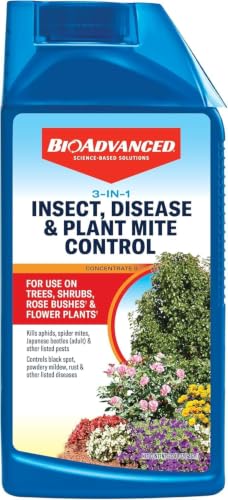
3-IN-1 PLANT CARE: 3-in-1 formula provides insect control, disease control, and mite control in one solution; Delivers protection for up to 14 days
Climate and Weather Conditions
In regions with mild winters and hot summers, nectarine trees thrive and produce fruit more consistently. Frost and extreme temperature fluctuations can impact flower buds, leading to reduced or irregular fruiting.
Pollination
Cross-pollination is essential for nectarine trees to set fruit. Bees play a crucial role in pollinating the flowers, so having a diverse bee population in your area can positively affect fruit production.
Pruning and Thinning
Proper pruning and thinning of nectarine trees help improve sunlight exposure and airflow within the canopy, leading to better fruit development. Overcrowded branches can hinder fruit growth and quality.
Soil Quality and Nutrient Availability
Well-draining soil rich in organic matter supports healthy root development and overall tree growth. Regularly testing the soil pH and providing necessary nutrients like nitrogen, phosphorus, and potassium can boost fruit yield.
Pests and Diseases
Managing pests such as aphids, mites, and fruit flies, as well as diseases like brown rot and powdery mildew, is crucial for maintaining tree health and ensuring consistent fruit production. Implementing pest control measures early can prevent significant damage.
Pruning Schedule
Pruning nectarine trees at the right time – typically during the dormant season – promotes new growth, flowering, and fruiting. Avoid excessive pruning, as it can reduce fruiting wood and negatively impact next season’s harvest.
Tree Age and Variety
Young nectarine trees may take a few years to reach full fruiting capacity, while older trees may exhibit fluctuations in fruit production. Choosing suitable nectarine varieties that are well-adapted to your climate can enhance fruit yield.
By considering these factors and implementing appropriate practices, you can encourage regular fruit production in your nectarine trees and enjoy bountiful harvests year after year.
Nectarine Tree Fruit Bearing Patterns
Understanding the fruit-bearing patterns of nectarine trees is essential for maximizing your harvests each season. Here’s what you need to know:
Recommended Products

CLEAN CUTS FOR LIVE GROWTH: Bypass blade design is ideal for pruning delicate flower stems and green growth, helping reduce crushing and plant damage while cutting stems and small branches up to 5/8” in diameter

LONG-LASTING SHARPNESS: Japanese SK5 bypass blade with titanium coating is tested through 5,000 cuts to maintain a sharp edge and deliver clean, consistent cuts on live stems and branches
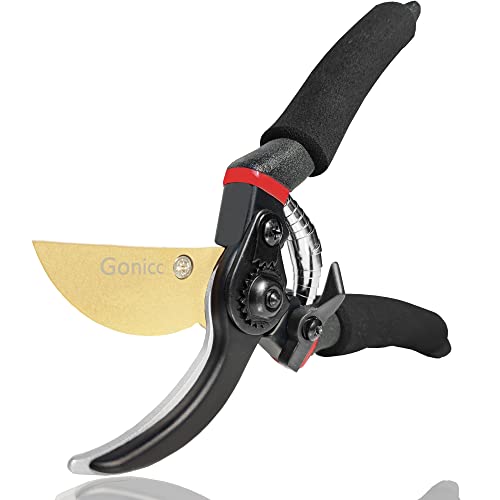
Drop-forged construction delivers exceptional durability and sturdiness for long-term heavy garden use.
Seasonal Fruiting
Nectarine trees typically bear fruit once per year, producing a bountiful harvest during the summer months. The fruiting season for nectarines usually aligns with warm weather conditions, allowing the trees to flourish and yield ripe, juicy fruits.
Young Tree Fruit Production
When nectarine trees are young, they may not produce significant fruit quantities in their initial years. It’s essential to be patient and provide proper care to help young trees establish strong root systems and branches, eventually leading to increased fruit production as they mature.
Mature Tree Fruit Yield
As nectarine trees reach maturity, usually after 3 to 5 years, their fruit yield tends to improve substantially. Mature trees are more robust, with well-developed structures that support the growth of numerous fruits. Proper maintenance practices, including pruning and fertilizing, can further enhance the fruit-bearing capacity of mature nectarine trees.
Pruning Impact on Fruiting
Pruning plays a crucial role in shaping the fruit-bearing patterns of nectarine trees. Regular pruning helps maintain tree health, promotes fruitful growth, and ensures adequate sunlight exposure for fruit development. By following recommended pruning techniques tailored to nectarine trees, you can optimize fruit production and quality.
Varietal Influences
Different nectarine tree varieties exhibit varying fruiting behaviors. Some cultivars are known for their consistent and abundant fruit production, while others may have specific requirements for optimal yield. Choosing the right nectarine tree variety suited to your climate and growing conditions can significantly impact the frequency and quantity of fruit harvests.
Pollination Considerations
Proper pollination is vital for fruit set in nectarine trees. Ensuring that pollinators have access to your orchard, planting compatible fruit tree varieties nearby, and promoting a pollinator-friendly environment can enhance the pollination process and lead to improved fruit-bearing outcomes.
By understanding these nectarine tree fruit-bearing patterns and factors influencing fruit production, you can cultivate a thriving orchard and enjoy a consistent supply of delicious nectarines each year.
Optimizing Fruit Production in Nectarine Trees
To maximize the fruit yield of your nectarine trees, several key practices can significantly enhance the production of flavorful fruits each season. Understanding how to optimize fruit production in your nectarine trees involves implementing specific strategies that promote healthy growth and abundant fruiting.
Recommended Products

Premium Material Construction: Crafted from premium carbon steel using exquisite techniques, these tools boast exceptional hardness, resilience to wear, and a robust construction, ensuring long-lasting performance

★ 1. What you get: Professional convenient grafting tool set including a dual-use grafting pruner tool contain 2 extra replaceable blades, a wrench and a screwdriver, along with 36pcs wide rubber bands, 150 thick rubber bands and 1 grafting tape, packed in a black wallet to meet all your needs

✂Multifunctional -2 in 1 Garden Grafting Tools-Professional grafting set allows you to pruning and grafting at the same time, saving more time and effort than traditional grafting methods, easy to use and more efficient. It allows you to trim away excess leaves and twigs and prepare the plants to be grafted. At the same time, you can make a precise cut into the grafting stock with the special grafting blade.
Proper Pruning Techniques
Pruning your nectarine trees is crucial for maintaining their health and encouraging fruit production. By removing dead or diseased branches, improving airflow, and shaping the tree for optimal sunlight exposure, you can stimulate the growth of new fruiting wood. Ensure to prune your trees during the dormant winter season to avoid interfering with flowering and fruit set.
Adequate Irrigation and Soil Management
Providing sufficient water to your nectarine trees during critical growth stages is essential for fruit development. Maintain consistently moist soil without overwatering to support root health and fruit formation. Consider conducting a soil test to determine if any nutrient deficiencies need addressing, as balanced soil nutrition can significantly impact fruit quality and yield.
Regular Monitoring for Pests and Diseases
Keep a close eye on your nectarine trees for any signs of pests or diseases that may compromise fruit production. Inspect the foliage, branches, and fruits regularly to detect issues early and take appropriate measures to prevent infestations or infections. Consider employing organic pest control methods and disease-resistant nectarine tree varieties to reduce the risk of yield loss.
Optimal Pollination Practices
Enhance fruit set and development by ensuring adequate pollination of your nectarine trees. Encourage pollinator activity in your garden by planting bee-friendly flowers and maintaining a diverse garden ecosystem. If needed, you can also hand-pollinate your nectarine blossoms to guarantee successful fruit set and maximize yield potential.
Seasonal Fertilization and Care
Support the overall health and vigor of your nectarine trees by applying balanced fertilizers at the appropriate times throughout the growing season. Follow recommended fertilization schedules and adjust based on the tree’s growth and fruiting patterns. Additionally, mulching around the base of the tree can help conserve moisture, regulate soil temperature, and suppress weed growth, promoting a conducive environment for fruit production.
Harvesting and Enjoying Nectarine Fruits
When it comes to harvesting and enjoying nectarine fruits, there are a few key points to keep in mind. Here’s what you need to know:
Timing for Harvest
Nectarine trees typically produce fruits in the summer, depending on the specific variety planted. The harvest time usually falls between late spring and early fall, with peak ripeness occurring in mid to late summer. To enjoy the best flavor and texture, it’s crucial to harvest your nectarines at the right time. Ripe nectarines should give slightly when gently pressed and have a fragrant aroma.
Harvesting Technique
When harvesting nectarines, gently twist the fruit from the tree to avoid damaging the branches or nearby fruits. Be sure to handle the fruits delicately to prevent bruising or premature spoilage. Use pruning shears to cut the stem about half an inch above the fruit to avoid tearing the tree’s bark.
Storage and Enjoyment
After harvesting, store nectarines at room temperature if you plan to consume them within a few days. For longer storage, place unripe fruits in a paper bag to ripen faster. Once ripe, store nectarines in the refrigerator to maintain their freshness for up to a week. Enjoy nectarines fresh as a snack, in fruit salads, or as part of delicious desserts like tarts or cobblers.
Maximizing Fruit Yield
To ensure a bountiful harvest of nectarines each season, provide proper care to your nectarine tree throughout the year. Regular watering, fertilization, and pest management are essential for healthy tree growth and fruit development. Additionally, proper pruning and thinning of the fruit can promote better air circulation and sunlight exposure, leading to higher fruit quality and yield.
By following these guidelines for harvesting and enjoying nectarine fruits, you can savor the delightful taste of fresh, homegrown nectarines while maximizing your tree’s fruit production. Harvesting your nectarines at the peak of ripeness and storing them correctly will allow you to relish the flavors of summer well beyond the harvest season.
Conclusion
Enjoy the sweet rewards of your nectarine tree by implementing the strategies discussed. By caring for your tree year-round and following proper harvesting techniques, you can relish the delicious taste of homegrown nectarines. Remember, factors like climate, pollination, and soil quality play a role in fruit production, so stay mindful of these. With the right care, you’ll be able to enjoy a bountiful harvest of fresh nectarines that you can savor beyond the typical harvest season. Happy growing and harvesting!
Frequently Asked Questions
What factors should be considered to optimize nectarine tree harvests?
Understanding nectarine tree fruiting patterns, considering climate, pollination, pruning, soil quality, pests, and diseases are crucial for optimal harvests.
What strategies are important for maximizing nectarine fruit yield?
Proper pruning, irrigation, soil management, pest monitoring, and fertilization are essential strategies for maximizing nectarine fruit yield.
How can one ensure the best taste when harvesting nectarines?
Harvest nectarines at the right time, use proper techniques for picking, and store them correctly to enjoy the best flavor.
What care practices are necessary for a bountiful nectarine harvest?
Provide year-round care including watering, fertilization, pest management, pruning, and thinning to ensure a bountiful nectarine harvest.
How can one maximize nectarine fruit production beyond the harvest season?
By following recommended guidelines for care, one can savor the taste of fresh, homegrown nectarines while maximizing fruit production beyond the harvest season.
