

Have you ever wondered how much sun your grapefruit trees really need to thrive? Picture this: you’ve planted your grapefruit tree with care, but now you’re unsure if it’s getting the right amount of sunlight. Understanding the sunlight requirements of your grapefruit trees is key to ensuring a bountiful harvest.
Key Takeaways
- Grapefruit trees need 6 to 8 hours of direct sunlight daily for optimal growth, fruit production, and fruit ripening.
- Ensuring eastern or southern exposure for the trees can provide the best sunlight exposure throughout the day.
- Monitoring sunlight levels is essential to prevent issues like sunburn and sunscald on the trees.
- Factors like location, tree age, climate, seasonal variations, and surrounding obstacles influence the sunlight needs of grapefruit trees.
- Signs of sunlight deficiency or overexposure in grapefruit trees include sparse foliage, stunted growth, poor fruit development, and leaf scorch.
- Best practices for managing sunlight include regular assessment, seasonal adjustments, protecting from sunburn, addressing sunlight issues promptly, and maintaining optimal conditions for healthy growth and fruit production.
Importance of Sunlight for Grapefruit Trees
Understanding how much sunlight grapefruit trees need is crucial for their growth and fruit production. Sunlight, a vital element in the photosynthesis process, is essential for grapefruit trees to thrive and bear healthy fruits. Let’s delve into why sunlight is so important for grapefruit trees.
Benefits of Sunlight for Grapefruit Trees
- Photosynthesis: Sunlight is the primary source of energy for grapefruit trees to carry out photosynthesis. This process enables the trees to convert carbon dioxide and water into glucose, their main source of energy, which supports growth and fruit development.
- Nutrient Absorption: Sunlight helps grapefruit trees absorb essential nutrients from the soil, promoting overall tree health and enhancing fruit quality.
- Fruit Ripening: Proper exposure to sunlight is crucial for grapefruits to develop their characteristic flavor, color, and sweetness. Insufficient sunlight can lead to underdeveloped and sour fruits.
Sunlight Requirements for Grapefruit Trees
- Grapefruit trees typically require 6 to 8 hours of direct sunlight daily to thrive. Insufficient sunlight exposure can result in stunted growth, reduced flowering, and poor fruit production.
- For optimal growth, ensure that the trees receive sunlight on their eastern or southern exposure to benefit from the morning and afternoon sun.
- Sunburn: Excessive exposure to intense sunlight, especially during hot summer months, can cause sunburn on grapefruit tree leaves and fruits. Providing partial shade during the hottest part of the day can help prevent sunburn damage.
- Sunscald: Sudden exposure to intense sunlight after a period of shade can result in sunscald, leading to browning and damage to the tree’s bark. Gradually acclimate the tree to increased sunlight to avoid this issue.
Monitoring Sunlight Levels for Grapefruit Trees
To ensure your grapefruit trees receive adequate sunlight, regularly monitor the sun exposure in their location. Consider using a sunlight meter to track the intensity and duration of sunlight hitting your trees throughout the day.
By understanding the importance of sunlight for grapefruit trees and ensuring they receive the right amount of sunlight, you can promote healthy growth, abundant fruit production, and vibrant, flavorful grapefruits.
Factors Influencing Sunlight Needs
To ensure your grapefruit trees thrive, it’s essential to understand the factors that influence their sunlight needs. Here’s a breakdown to help you provide the optimal conditions for your grapefruit trees:
Location:
Position your grapefruit trees in a spot that receives ample sunlight. Areas with southern exposure typically get the most sunlight throughout the day, making them ideal for grapefruit tree growth.
Tree Age:
Consider the age of your grapefruit tree when determining its sunlight requirements. Younger trees may need a bit more shade to prevent sunburn on tender leaves, while mature trees generally benefit from full sun exposure.
Climate:
Take your climate into account when gauging sunlight needs. In hot, arid regions, providing some partial shade during the hottest parts of the day can shield the trees from scorching sun and prevent sun-related issues.
Seasonal Variations:
Adjust sunlight exposure based on seasonal changes. During the hot summer months, ensure your grapefruit trees have access to sufficient shade during peak sunlight hours to protect them from sun damage.
Surrounding Obstacles:
Be mindful of any obstructions that may cast shadows on your grapefruit trees. Trim overhanging branches or remove structures that block sunlight to maximize exposure for healthy tree development.
Monitoring and Adaptation:
Regularly monitor the sunlight levels your grapefruit trees receive. If you notice signs of sunburn or inadequate growth, adjust the tree’s positioning or provide temporary shade to maintain optimal sunlight conditions.
By considering these factors and making adjustments as needed, you can ensure that your grapefruit trees get the right amount of sunlight to flourish and yield bountiful, juicy fruits.
Optimal Sunlight Requirements for Grapefruit Trees
To ensure your grapefruit trees thrive and produce abundant fruit, it’s essential to understand their optimal sunlight requirements. Proper exposure to sunlight is crucial for the health and growth of grapefruit trees. Here’s what you need to know:
Recommended Products

4000K DAYLIGHT: Imitate the solar spectrum, customize a more ideal full life cycle full spectrum supplementary light program, covering the entire visible spectrum of 400nm-780nm; Color rendering index Ra is close to 100, infinitely close to natural light, suitable for every cycle of plant growth, effectively promotes plant growth, and improves crop yield and quality

High-Output Grow Light Loved by Indoor Plants---Featuring 208 premium LEDs and 25 watt power draw, this bright floor grow light outputs 2000 lumen brightness, offering adequate light for indoor gardening, vegetable, fruit trees, large monstera, bonsai trees to grow vigorously.

Elegant Home Design Stand and Base, NO Tilt---This home design grow lights for indoor plants with base is more beautiful and stable, and easier to install. Don't worry tilt. You can place this led floor plant light in living room or any corner just as a furniture for your indoor plants or bonsai tree.
Sunlight Duration
Grapefruit trees need 6 to 8 hours of direct sunlight daily to reach their full potential. This duration allows the trees to photosynthesize efficiently, absorb essential nutrients, and promote the ripening of fruits.
Examples:
- A young grapefruit tree in a shaded area might not receive adequate sunlight to develop properly.
- In regions where sunlight is limited, consider planting grapefruit trees in the sunniest spot available.
Monitoring Sunlight Levels
Regularly monitor the sunlight levels your grapefruit trees receive to ensure they meet the required duration. Adjustments may be necessary based on seasonal variations, climate conditions, and the tree’s age.
Examples:
- During winter months with shorter days, consider providing supplemental lighting to maintain the required sunlight duration.
- Prune surrounding trees or structures that cast shadows on your grapefruit trees to maximize sunlight exposure.
Location and Climate
The location of your grapefruit trees plays a significant role in their sunlight intake. Trees planted in areas with obstructed sunlight or heavy shade may experience stunted growth and reduced fruit production. Consider the local climate when selecting a planting location to optimize sunlight exposure.
Examples:
- Coastal regions with foggy conditions may require strategic planting to ensure grapefruit trees receive sufficient sunlight despite the weather conditions.
- In hot climates, provide some afternoon shade to prevent sunburn on young grapefruit trees while still meeting their overall sunlight requirements.
Tree Age and Sunlight Needs
Young grapefruit trees have higher sunlight demands compared to mature trees. As trees age, they may require slightly less direct sunlight while still benefiting from adequate exposure for healthy growth and fruit development.
Examples:
- Newly planted grapefruit saplings should receive full sun to establish a robust root system and encourage upward growth.
- Mature grapefruit trees may tolerate partial shade better but still need a substantial amount of direct sunlight for fruit production.
By understanding and meeting the optimal sunlight requirements for your grapefruit trees, you’ll pave the way for a bountiful harvest and vigorous tree growth. Make sure to assess and adjust sunlight levels accordingly to ensure your trees thrive in their environment.
Signs of Sunlight Deficiency or Overexposure in Grapefruit Trees
If your grapefruit trees aren’t getting enough sun, here are some signs to watch out for:
Signs of Sunlight Deficiency:
- Sparse Foliage: If you notice your grapefruit tree has thin foliage or fewer leaves than usual, it might be a sign of sunlight deficiency.
- Stunted Growth: A lack of sunlight can lead to slow or stunted growth in grapefruit trees.
- Poor Fruit Development: Insufficient sunlight may result in smaller fruit size or poor fruit quality.
- Yellowing Leaves: Yellowing or pale green leaves could indicate that the tree isn’t receiving adequate sunlight.
- Leaf Scorch: Excessive sun exposure can cause leaf scorch, where the leaves develop brown, dry, or scorched areas.
- Sunburn: Just like our skin, grapefruit tree bark can get sunburned if exposed to too much intense sunlight.
- Wilting: Overexposure to sun can lead to wilting of leaves or overall tree droopiness.
- Fruit Damage: Too much sun can also damage the fruit, leading to sunburn spots or uneven ripening.
By keeping an eye out for these signs, you can adjust the sun exposure for your grapefruit trees to ensure they thrive and produce healthy fruit.
Best Practices for Sunlight Management
Monitoring sunlight levels is essential for ensuring the health and productivity of your grapefruit trees. Here are some practical tips to help you manage sunlight effectively:
Recommended Products

Janitorial & Cleaning Supplies
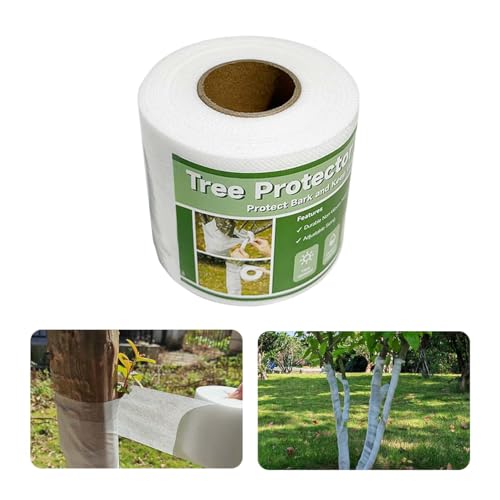
【Convenient and Practical】: Tree trunk protector wrap can protect trees from scorching, animals, insects, trimmer damage and effectively keep trees warm, moisturize and prevent freezing in cold winter

【Convenient and Practical】: Tree trunk protector paper wraps can protect trees from scorching, frost, animals, insects, trimmer damage and effectively keep trees warm, moisturize and prevent freezing in cold winter
Regular Sunlight Assessment
Assess the sunlight exposure your grapefruit trees receive throughout the day. Ensure they get 6 to 8 hours of direct sunlight daily for optimal growth.
Seasonal Adjustments
Make adjustments based on seasonal variations. In winter, when the sun is lower, trees may receive less sunlight. Prune surrounding trees or structures to allow more light in.
Tree Age Considerations
Young grapefruit trees may need more protection from intense sunlight to prevent sunburn. Consider providing shade during the hottest parts of the day.
Addressing Sunburn and Sunscald
Protect your trees from sunburn and sunscald by using reflective tree wraps or painting the trunk with diluted white latex paint to prevent overheating.
Signs of Sunlight Issues
Watch out for signs of sunlight deficiency or overexposure. Sparse foliage, yellowing leaves, or sunburn are indicators that your trees may not be receiving the right amount of sunlight.
Adjusting Sunlight Exposure
If you notice signs of sunlight-related issues, adjust the exposure by relocating potted trees, pruning surrounding vegetation, or using shade cloth during peak sunlight hours.
Maintaining Optimal Conditions
Maintain optimal sunlight conditions by regularly monitoring your trees’ health and adjusting sunlight exposure as needed. Healthy sunlight levels are key to robust growth and abundant fruit production.
By following these best practices for sunlight management, you can ensure that your grapefruit trees thrive and produce delicious fruits.
Conclusion
Ensuring your grapefruit trees receive sufficient sunlight is key to their overall health and productivity. By providing 6 to 8 hours of direct sunlight daily, you can support optimal growth and fruit production. Remember to monitor sunlight levels regularly, adjust for seasonal changes and tree age, and address issues like sunburn and sunscald promptly. By following best practices for sunlight management, such as assessing exposure, making seasonal adjustments, and preventing sun-related problems, you can help your grapefruit trees thrive. Be attentive to signs of sunlight deficiency or overexposure, and make necessary adjustments to maintain ideal conditions for your trees. With proper sunlight care, you can enjoy robust growth and bountiful harvests from your grapefruit trees.
Frequently Asked Questions
How many hours of direct sunlight do grapefruit trees need daily?
Grapefruit trees need 6 to 8 hours of direct sunlight daily for optimal growth.
What does monitoring sunlight levels entail?
Monitoring sunlight levels involves assessing the duration and intensity of sunlight received by grapefruit trees.
How can adjustments be made for seasonal variations?
Adjustments for seasonal variations can be made by repositioning trees or providing additional shade during peak sunlight hours.
Why is addressing sunburn and sunscald important?
Addressing sunburn and sunscald is crucial to prevent damage to grapefruit trees and ensure healthy fruit production.
What are the best practices for sunlight management in grapefruit trees?
Best practices include regular assessment of sunlight exposure, seasonal adjustments, and addressing sunburn and sunscald promptly.
What signs indicate sunlight deficiency or overexposure in grapefruit trees?
Signs include stunted growth, yellowing leaves, leaf scorching, and decreased fruit production.
Why is maintaining optimal sunlight conditions essential for grapefruit trees?
Optimal sunlight conditions are crucial for robust growth and abundant fruit production in grapefruit trees.
