

Have you ever wondered how long it takes to grow your own juicy honeydew melons at home? Picture this: You’re strolling through the produce section, eyeing those perfectly ripe honeydews, and a thought crosses your mind – “Could I grow these in my own garden?” Well, the good news is that you can!
In this article, we’ll explore the timeline of growing honeydew melons from seed to harvest. Imagine the satisfaction of plucking a sun-ripened honeydew from your backyard and savoring its sweet flavor. By understanding the process and timeline involved, you’ll be equipped with the knowledge to nurture your own delicious harvest.
Get ready to embark on a journey into the world of honeydew cultivation – from planting those first seeds to enjoying the fruits of your labor. Let’s dive into the fascinating timeline of growing your very own honeydew melons right at home.
Key Takeaways
- Factors such as variety selection, temperature, watering practices, soil quality, and pollination play a crucial role in determining how quickly honeydew melons mature.
- The key stages of honeydew development include seed germination, vine growth, flowering, fruit setting, and maturation.
- Optimal conditions for growing honeydew melons involve well-draining soil rich in organic matter, full sun exposure for 6-8 hours daily, and temperatures between 70°F to 90°F (21°C – 32°C).
- Proper management techniques like consistent watering practices, balanced fertilization with varying nutrient levels based on growth stage, pest control measures such as natural predators or companion plants are essential for successful honeydew growth.
- Signs of maturity for harvesting honeydew melons include color change to creamy yellow on the ground side, slightly waxy texture when pressed gently, sweet aroma near the stem end, and a deep thump sound instead of high-pitched. Harvest in the morning with proper cutting methods and storage techniques for optimal freshness.
Understanding the Growth Cycle of Honeydew
Growing honeydew melons at home can be a rewarding experience, from planting the seeds to finally harvesting the sweet fruits. Let’s delve into the factors that influence how long it takes for honeydews to grow and the key stages of their development.
Recommended Products

HEIRLOOM MELON SEED VARIETY PACK – honey Rock and hales Best cantaloupe (Cucumis melo var. cantalupensis), honeydew (C. melo var. inodorus), plus Yellow Petite, Tendersweet Orange, and Georgia Rattlesnake watermelon (Citrullus lanatus)

Beautiful - Large individual packet of Green Honeydew Melon (Cucumis melo) seeds. Grow an abundant harvest of sweet melons. Each plant grows vigorously and produces 2-4 melons. Minimum of 1.5g per packet (about 50 seeds).
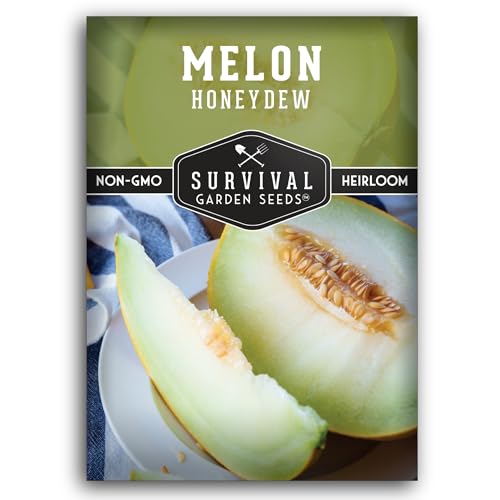
REFRESHINGLY SWEET MELONS – Classic honeydew flavor with smooth light green flesh that’s juicy and fragrant for sweet summer enjoyment straight from your own home garden vines
Factors Influencing Growth Duration
When growing honeydew melons, several factors play a crucial role in determining how quickly they mature:
- Variety Selection: Different honeydew varieties have varying growth rates, affecting the overall duration.
- Temperature: Warmer climates generally lead to faster growth compared to cooler environments.
- Watering Practices: Consistent watering is essential for steady growth and fruit development.
- Soil Quality: Well-draining soil rich in nutrients can accelerate the growth process.
- Pollination: Adequate pollination is vital for fruit formation and maturation.
Understanding these factors can help you optimize conditions for your honeydew plants and ensure a successful harvest.
Key Stages of Honeydew Development
The growth cycle of honeydew melons typically consists of several distinct stages:
- Seed Germination: The initial stage where seeds sprout and develop roots under suitable conditions.
- Vine Growth: As the plant grows, it develops vines that spread out in search of sunlight and nutrients.
- Flowering: The emergence of flowers on the vine marks the beginning of fruit production.
- Fruit Setting: After successful pollination, small melons start forming on the vine.
- Maturation: The final stage where honeydews ripen, resulting in their characteristic sweet flavor and aroma.
By understanding these key stages, you can monitor your honeydew plants’ progress and ensure optimal care throughout their growth cycle.
Optimal Conditions for Growing Honeydew
To ensure successful growth of honeydew melons, it’s crucial to create the right environment that caters to their specific needs. Here are the optimal conditions you should focus on:
Recommended Products
Packaged for envelope delivery.
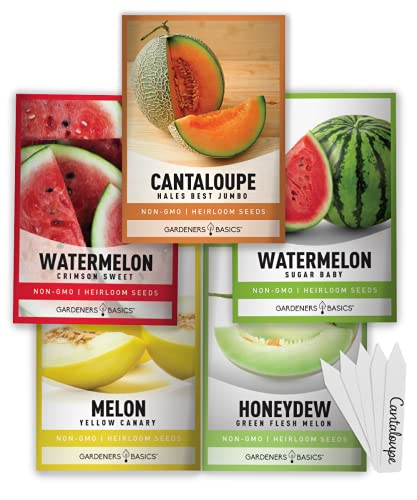
5 VARIETY PACK - Hales best cantaloupe, crimson sweet watermelon, yellow canary melon, green flesh honeydew, sugar baby watermelon.

🍈 DESIGNED EXCLUSIVELY FOR MELON PLANTS – Gardenera LIQUID POWER Melon Fertilizer is crafted to support vigorous vine growth, flower production, and consistent fruit setting for all melon types including cantaloupe, honeydew, galia, and more. Promotes plump, aromatic, and flavor-packed melons with high Brix levels.
Soil Requirements
For honeydew melons to thrive, you’ll need well-draining soil rich in organic matter. A sandy loam soil type with a pH level between 6.0 and 6.5 is ideal. Make sure the soil is fertile and has good aeration to support healthy root development. Adding compost or aged manure before planting can improve soil quality.
Climate and Temperature Needs
Honeydew melons are warm-season crops that require plenty of sunlight to grow successfully. Plant them in an area with full sun exposure for at least 6-8 hours daily. The optimal temperature range for honeydews is between 70°F and 90°F (21°C – 32°C). Ensure they are protected from strong winds as they can damage the delicate vines.
By providing the right soil conditions and maintaining appropriate climate settings, you’ll set your honeydew melons up for robust growth and sweet fruit production.
Managing Honeydew Growth
Growing honeydew melons successfully requires proper management techniques to ensure optimal growth and fruit production. Here are some essential aspects to consider:
Watering and Fertilization Techniques
When it comes to watering your honeydew plants, consistency is key. Ensure that the soil remains consistently moist but not waterlogged. Deep, infrequent watering is preferable to frequent shallow watering as it encourages deeper root growth. Mulching around the base of the plants can help retain moisture and reduce weed competition.
For fertilization, use a balanced fertilizer with slightly higher nitrogen content during the early stages of growth to promote healthy foliage development. As the plant begins setting fruit, switch to a fertilizer with higher phosphorus and potassium levels to support flower formation and fruit development.
Pests and Disease Control
To protect your honeydew plants from pests like aphids, spider mites, or cucumber beetles, regularly inspect the leaves and stems for any signs of infestation. Consider using natural predators like ladybugs or introducing companion plants that repel harmful insects.
Implement good gardening practices such as crop rotation, proper spacing between plants, and removing any diseased plant material promptly to prevent the spread of diseases like powdery mildew or bacterial wilt. If necessary, consult with local agricultural extension services for specific pest control recommendations tailored to your region.
By following these watering and fertilization techniques along with effective pest and disease management strategies, you can optimize honeydew growth conditions for a successful harvest of delicious homegrown melons.
Harvesting Honeydew
When it comes to harvesting honeydew melons, there are specific signs of maturity you should look out for and techniques to ensure a successful harvest.
Signs of Maturity
To determine if your honeydew melon is ripe for picking, pay attention to the following signs:
- Color: A ripe honeydew melon will have a creamy yellow color on the side that was in contact with the ground.
- Texture: The skin of a mature honeydew should feel slightly waxy and velvety when gently pressed.
- Smell: A sweet aroma near the stem end indicates ripeness.
- Sound: When thumped, a ripe honeydew will produce a deep, dull sound rather than a high-pitched one.
Harvesting Techniques
To harvest your honeydew melons properly, follow these techniques:
- Cutting Method: Use clean shears or a sharp knife to cut the fruit from the vine; leave some stem attached to prevent rotting.
- Timing: Harvest in the morning when temperatures are cooler for better fruit quality.
- Storage: Store harvested melons at room temperature until fully ripe, then refrigerate them for longer shelf life.
By recognizing these signs of maturity and employing proper harvesting methods, you can enjoy delicious homegrown honeydew melons at their peak flavor and freshness.
Conclusion
Growing your own honeydew melons can be a rewarding experience. By understanding the signs of maturity and following proper harvesting techniques, you can enjoy the sweet taste of homegrown fruit at its best. Remember to use clean tools, time your harvest in the morning, and store your melons correctly to maintain their freshness. With patience and care, you’ll soon be savoring the delicious flavor of freshly picked honeydew that you cultivated yourself. Happy gardening!
Frequently Asked Questions
When is the right time to harvest honeydew melons?
Harvest honeydew melons when they have a creamy yellow color, a slightly waxy texture, a sweet aroma at the blossom end, and make a dull thud sound when tapped.
What tools should I use for harvesting honeydew melons?
Use clean shears or a sharp knife to cut the stem of the honeydew melon from the vine without damaging the fruit.
Is there an optimal time of day for harvesting honeydew melons?
Harvest honeydew melons in the morning when temperatures are cooler to minimize stress on the plants and ensure maximum freshness.
How should I store harvested honeydew melons?
Store harvested honeydew melons at room temperature if they need to ripen further or in the refrigerator once fully ripe for up to two weeks.
