

Ever struggled to close your Garrett Wade Anvil Lopper after a long day in the garden? It can be quite the puzzle, can’t it? Picture this: you’re ready to pack up, but the lopper just won’t cooperate. Frustrating, right? Well, worry no more! In this article, we’ll unravel the mystery for you.
You’re not alone in this struggle. Many gardeners face the same challenge when it comes to folding up their trusty tools. But fear not, as we’ve got your back. By the end of this read, you’ll be a pro at closing your Garrett Wade Anvil Lopper effortlessly. Stay tuned for some handy tips and tricks to make your gardening experience a breeze.
Understanding the Mechanism of the Garrett Wade Anvil Lopper
To close your Garrett Wade Anvil Lopper smoothly, it’s essential to understand how this tool functions. Here’s a breakdown to help you navigate the mechanism effectively:
- The Garrett Wade Anvil Lopper is a two-handled cutting tool designed for pruning.
- It features a ratcheting system that allows you to cut through branches with ease.
- The anvil-style cutting blade plays a crucial role in delivering clean cuts.
- When closing the lopper, the ratchet mechanism engages progressively, making it easier to cut through thicker branches.
- Understanding how this mechanism operates is key to mastering the art of closing your Garrett Wade Anvil Lopper effortlessly.
Remember, getting familiar with the tool’s inner workings will significantly enhance your gardening experience and efficiency.
Recommended Products

[4-GEAR RATCHET MECHANISM – EFFORTLESS CUTTING] The high-performance ratcheting lopper is engineered for effortless cutting. The innovative 4-step ratchet system allows you to slice through thick, dry branches up to 2.5 inches in diameter without straining your hands. This makes it ideal for hardwood, dead wood, and dense vegetation, significantly reducing hand fatigue and improving cutting efficiency.

BYPASS LOPPERS FOR GREEN WOOD - These heavy-duty garden trimmers feature 6 pin-locked position stops and rubber grips. This style of garden cutter is designed for wet wood, great for trimming living branches and tree limbs.

Blade Material: Made of high carbon steel, ensuring durability
Step-by-Step Guide to Closing the Anvil Lopper
To close the Garrett Wade Anvil Lopper properly, follow these simple steps:
- Step 1: Grasp both handles firmly.
- Step 2: Bring the handles together slowly.
- Step 3: Apply a gentle squeezing motion until the ratchet mechanism engages.
- Step 4: Continue closing the lopper until the cutting blade makes contact with the anvil.
- Step 5: Release pressure once the cut is complete, and open the lopper to reset the ratchet mechanism.
- Avoid forcing the lopper shut; let the ratchet system do the work.
- Maintain the cutting blade: keep it sharp for clean cuts.
- Regularly clean and lubricate the lopper to ensure smooth operation.
- Store the lopper in a dry place to prevent rust and maintain performance.
By following these steps and tips, you’ll effectively close and maintain your Garrett Wade Anvil Lopper, enhancing your gardening experience.
Recommended Products

Ratchet action gives easy cutting in short steps - ideal for cutting thicker, harder branches
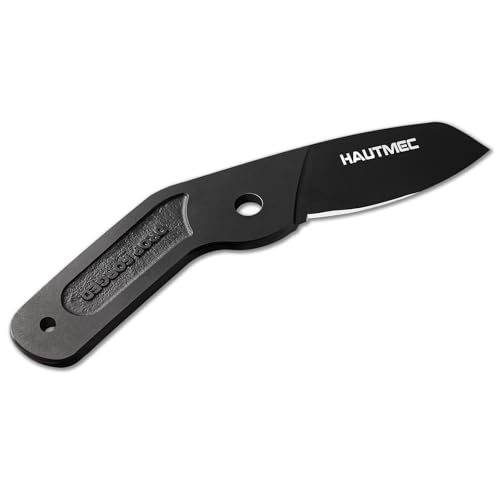
Replacement blade for telescopic anvil lopper HT0149. It is easy to install.

CHOPS THROUGH 2-INCH BRANCHES EFFORTLESSLY: The compound action mechanism multiplies your cutting power for fast removal of dry, dead and woody growth. This anvil-style blade is built for the toughest preparatory cuts and cut-to-length work, making heavy-duty pruning dramatically easy through extra leverage.
Common Mistakes to Avoid During Closure
When closing the Garrett Wade Anvil Lopper, it’s important to be mindful of certain common mistakes that can affect the lopper’s functionality and longevity. Here are some key points to keep in mind:
- Forcing the Closure:
- Avoid forcefully shutting the lopper, as this can damage the ratchet mechanism.
- Neglecting Cleaning:
- Remember to clean the blade before closing to prevent debris buildup, which can affect the lopper’s cutting performance.
- Skipping Lubrication:
- Don’t forget to apply lubricant to the pivot points when closing the lopper to ensure smooth operation.
- Incorrect Storage:
- Avoid storing the lopper in damp or humid conditions, as this can lead to rust and corrosion.
By being aware of these common mistakes and taking the necessary precautions, you can ensure the Garrett Wade Anvil Lopper remains in top condition for all your gardening needs.
Maintenance Tips for Smooth Operation
When it comes to maintaining your Garrett Wade Anvil Lopper for smooth operation, here are some tips to keep in mind:
- Cleaning: After each use, wipe down the blades with a clean cloth to remove sap and debris. This helps prevent buildup and maintains cutting efficiency.
- Lubrication: Apply a thin layer of oil to the blades regularly to keep them moving smoothly. This simple step can extend the life of your lopper.
- Storage: When not in use, store your lopper in a dry place away from moisture. Consider hanging it up or keeping it in a protective case to prevent damage.
- Inspection: Periodically check the lopper for any loose or damaged parts. Tighten screws if needed and replace any worn components to ensure optimal performance.
Recommended Products

Rust Prevention – Prevents rust from forming & helps extend the life of the clipper & blades; can also reduce the likelihood of blades becoming dull

Professional-Grade Blade Care: Ensure your pet and dog grooming blades last for years to come with Wahl’s top-quality clipper blade oil
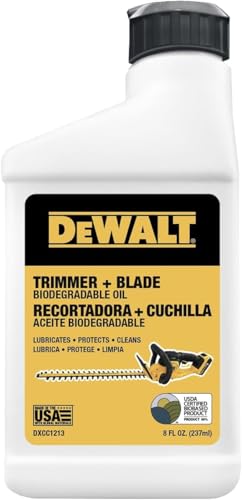
Professional-Grade for High-Speed Commercial Hedge Trimmers: Specifically engineered to meet the demands of professional landscapers, ensuring optimal lubrication and reduced blade wear in heavy-duty, high-speed trimming applications.
Conclusion
Ensuring the longevity and efficiency of your Garrett Wade Anvil Lopper is simple with regular maintenance. By cleaning the blades, applying oil, storing it properly, and checking for any issues, you can keep your lopper in top condition for all your gardening tasks. These easy steps will help you enjoy smooth cutting and hassle-free operation, making your gardening experience even more enjoyable. Remember, a well-maintained tool is a reliable tool that will serve you well for years to come.
Frequently Asked Questions
1. How often should I clean the blades of the Garrett Wade Anvil Lopper?
After each use, clean the blades to prevent debris buildup, ensuring smooth operation.
2. Why is it important to apply oil regularly to the Garrett Wade Anvil Lopper?
Regular oiling maintains smooth movement and prevents rusting, enhancing the lopper’s longevity.
3. Where should I store the Garrett Wade Anvil Lopper when not in use?
Store the lopper in a dry place to prevent moisture damage and maintain its quality.
4. How frequently should I inspect the Garrett Wade Anvil Lopper for maintenance?
Periodically check the lopper for loose or damaged parts to address issues promptly and extend its lifespan.
