

Persimmon trees can thrive in Utah’s high altitude with the right soil conditions and care. Selecting the appropriate variety and implementing specific soil management practices will enhance growth and fruit production.
Utah-Friendly Persimmon Types and Selection
When considering persimmon trees for Utah’s unique climate, it’s essential to choose varieties that thrive in high altitudes and specific soil conditions. This section explores the best persimmon types suited for Utah, highlighting their adaptability and growth potential in the state’s diverse environments. Selecting the right tree can significantly impact your success in cultivating these delicious fruits.
Persimmons come in various types, with some better suited for Utah’s climate than others. The American persimmon and Asian persimmon are the most common.
American persimmon is more cold-hardy but produces smaller fruit.
Asian persimmon yields larger fruit and is more popular for commercial cultivation.
Choosing the right variety is crucial for successful growth. Consider factors like local climate, elevation, and soil type when making your selection.
Recommended Products
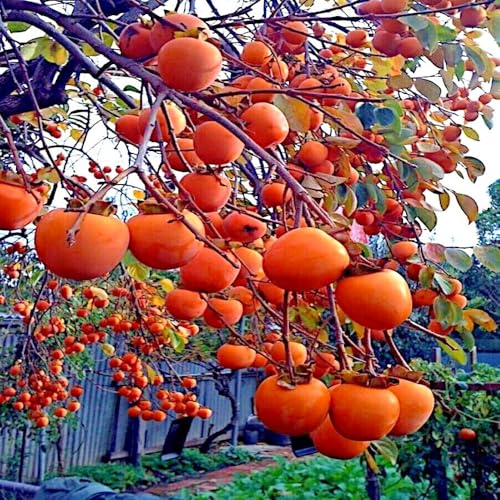
Cold Hardiness: Cold hardy Diospyros seeds survive temperatures down to 10°F once established; Suitable for growing in USDA zones 7-10; More tolerant of temperature fluctuations than many other fruit trees

Includes 1 live american persimmon seedlings, in pot, 6-12" tall and ready for planting

Habit: Deciduous tree
Soil Quality for Utah Persimmon Growth
Understanding soil quality is crucial for successfully growing persimmon trees in Utah’s unique high-altitude environment. The region’s diverse soil types and varying pH levels can significantly impact tree health and fruit production. This section delves into the specific soil characteristics that support optimal growth for persimmons in Utah.
Soil quality is vital for persimmon trees. They prefer well-drained, loamy soil rich in organic matter.
pH Level: Aim for a pH between 6.0 and 7.0.
Drainage: Avoid heavy clay soils that retain water.
Organic Matter: Incorporate compost or well-rotted manure to improve soil structure.
Testing your soil before planting can provide insights into necessary amendments. Use a soil test kit to determine nutrient levels and pH.
Soil Amendments for Persimmon Growth
Growing persimmon trees in Utah’s unique high-altitude environment requires careful attention to soil conditions. Proper soil amendments can significantly enhance the growth and fruit production of these trees, ensuring they thrive despite the challenges posed by the local climate. Understanding the right amendments will help gardeners cultivate healthy persimmon trees in this region.
| Amendment | Purpose | Application Rate |
|---|---|---|
| Compost | Improve soil structure | 2-3 inches per year |
| Lime | Raise pH if too acidic | 5-10 lbs per 100 sq ft |
| Sulfur | Lower pH if too alkaline | 2-3 lbs per 100 sq ft |
| Fertilizer (10-10-10) | Provide balanced nutrients | 1 lb per tree annually |
High Altitude Persimmon Planting Tips
Growing persimmon trees in Utah’s high altitudes presents unique challenges and opportunities. Understanding the specific soil conditions and climate factors is essential for successful planting. This section offers practical tips tailored to the needs of persimmon trees in these elevated environments, ensuring optimal growth and fruit production.
Planting persimmon trees correctly is essential for their establishment.
Timing: Plant in early spring after the last frost.
Spacing: Space trees 15-20 feet apart to allow for growth.
Depth: Dig a hole twice the width of the root ball and the same depth.
Water the tree thoroughly after planting to settle the soil around the roots. Mulching around the base can help retain moisture and suppress weeds.
Watering and Fertilization for Utah Persimmons
Proper watering and fertilization are crucial for the successful growth of persimmon trees in Utah’s unique climate and high-altitude soil. Understanding the specific needs of these trees will help ensure they thrive despite the challenges posed by the region’s conditions. This section will explore effective strategies for maintaining optimal moisture levels and nutrient balance for your persimmons.
Proper watering and fertilization are critical for persimmon trees, especially in Utah’s dry climate.
Watering: Establish a deep watering schedule, especially during dry spells. Aim for 1-2 inches per week.
Fertilization: Use a balanced fertilizer in early spring and again in late summer.
Monitor the trees for signs of nutrient deficiency, such as yellowing leaves. Adjust your fertilization strategy accordingly.
Pest Control Strategies for Persimmon Trees
Pest control is crucial for maintaining the health of persimmon trees, especially in the unique climate of Utah. Understanding the specific pests that target these trees and implementing effective strategies can significantly enhance their growth and fruit production. This section explores various methods to protect persimmon trees from common pests, ensuring a thriving harvest.
Pest and disease issues can affect persimmon trees. Common pests include aphids and spider mites.
Monitoring: Regularly inspect leaves for signs of infestation.
Control: Use insecticidal soap or neem oil for treatment.
Fungal diseases like root rot can occur in poorly drained soils. Ensure proper drainage to mitigate this risk.
Choosing Persimmon Varieties for Utah’s Elevation
Selecting the right persimmon varieties is crucial for successful cultivation in Utah’s unique high-altitude environment. The region’s elevation and soil conditions can significantly impact the growth and yield of these trees. Understanding which varieties thrive best in these circumstances will help gardeners make informed choices for their landscapes.
Choose a variety suited for your specific climate and elevation.
Test and amend soil before planting.
Water deeply and regularly, especially during dry periods.
Following these guidelines will enhance your chances of successfully growing persimmon trees in Utah’s high altitude.
