

There is some debate on whether mango trees are poisonous or not. Some people believe that the trees are poisonous because of the sap that is emitted from the tree. However, there is no scientific evidence to support this claim.
No, mango trees are not poisonous.
Recommended Products

2X MORE VALUE: The 16 oz of Mango Liquid Plant Fertilizer makes 16 gallons of liquid fertilizer, while the bigger size 32 oz bottle makes 32 gallons, ensuring long-lasting care for all mangoes.
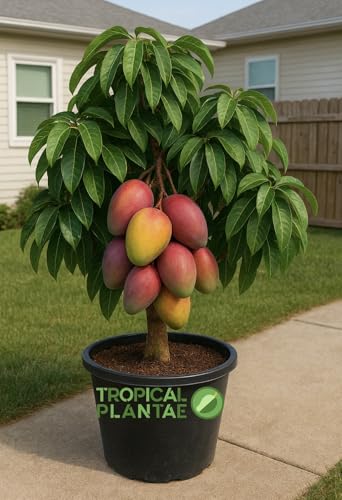
Imagine stepping into your backyard a few months from now and seeing a beautiful grafted Haden mango tree, growing stronger every day — a tree that will soon reward you with one of the most classic, flavorful mangoes ever grown.

The Ivory Mango Tree, a grafted variety of Mangifera indica, is a highly sought-after tropical fruit tree known for its unique elongated fruit, creamy texture, and exceptional flavor. This premium mango variety is native to Southeast Asia and has become a favorite among mango enthusiasts worldwide. Its grafted nature ensures reliable fruit quality, early fruiting, and adaptability, making it an excellent choice for home gardens and orchards.
Are mango leaves poisonous to humans?
Mango leaf products are generally considered safe for human consumption. However, if you are pregnant or nursing, please consult your healthcare provider before taking any mango leaf products.
If you have a mango allergy, you may experience a rash after coming into contact with the fruit. This is because the fruit contains a compound called resorcinol, which can cause an allergic reaction. The rash is usually not serious, but it can be uncomfortable. If you experience a mango rash, you should avoid coming into contact with the fruit in the future.
Why are mango leaves toxic
Mangiferin is a chemical compound found in mangoes. It is also found in other plants, including poison ivy. Mangiferin is a potent skin irritant and can cause blistering. There is typically a delayed reaction to exposure.
Mango wood is a beautiful and popular material for furniture and home decor, but it’s important to be aware that it can cause skin irritation in some people. If you’re considering using mango wood in your home, be sure to do a patch test first to see if you have any reaction to it.
Which part of mango tree is toxic?
If you come into contact with poison ivy, you may experience a range of symptoms including dermatitis, swelling, itching, and blistering. Peeling and eating the fruit can also affect the hands and skin around the mouth. If you experience any of these symptoms, it is important to seek medical attention immediately.
Mango trees are common hosts to a variety of parasites, including Loranthus dendro-phthae falcate. This species is semi-parasitic, and is often found on the trunk and branches of mango trees. In northern India, 60-90% of mango trees are heavily or moderately infected by these parasites. While they cause some damage to the tree, they are not typically deadly.
Why do I feel itchy after eating mango?
Mango allergy is a relatively rare, but potentially severe, condition. People with a mango allergy may experience symptoms such as rash and itching when exposed to mango. In some severe cases, mango allergy may cause anaphylaxis, a medical condition that requires immediate treatment. However, in most cases, mango peel is the part of the fruit that triggers an allergic reaction.
Mango mouth, as it’s been called, occurs in people who have a mango allergy, most commonly linked to the chemical urushiol. Urushiol is found in high concentrations in the mango peel and the fruit directly underneath the peel. Other plants that contain high concentrations of urushiol include poison ivy, poison oak, and poison sumac. If you come in contact with urushiol, it can cause a red, itchy, blistering rash. In severe cases, people can have an allergic reaction called anaphylaxis, which can be life-threatening. If you have a mango allergy, it’s important to know what other plants contain urushiol and to avoid them.
Why is mango sap poisonous
While a trickle of sap on a supermarket mango may not be dangerous, the sap from the fruit tree has the potential to put a fruit picker in the hospital. This is because the sap is highly acidic and contains an oily compound called urushiol, which is the same substance that is found in poison ivy.
Mango leaves can be used for various purposes. They can be boiled in water to make a decoction or can be consumed in powdered form. In South East Asia, the tender leaves of the mango tree are cooked and eaten. Also for medicinal purposes, young leaves should be used.
What happens when you boil mango leaf?
Mango leaves are especially useful for people suffering from cold, bronchitis and asthma. Boiling the leaves and adding honey to make a concoction can help cure cough. This concoction can also help with other respiratory problems.
This is great news! Not only is this mosquito coil inexpensive and eco-friendly, but it is also just as effective as other commercial repellents. This is a great option for those looking for a more natural way to keep mosquitoes away.
Recommended Products

☘️75-Count Mango Leaf Tea Bags – 100% Pesticide-Free Caffeine-Free Herbal Tea Made with pure dried mango leaves, no additives or chemicals. 75 servings ideal for family stock-up, post-meal sipping or daily wellness – pure mango herbal goodness in every cup.

Premium Selected Ingredients: Our tea is made from 100% dried mango leaves, carefully cut and sifted for optimal flavor. Experience the pure, unaltered taste of nature—your simple ritual for relaxation

PREMIUM YOUNG GREEN LEAVES: We carefully hand-pick our tropical mango leaves at their early and young stage. By selecting only these premium leaves at their flavorful peak, we ensure a subtle, light fruity flavor and an authentic tropical tea experience.
Is cutting mango tree crime
The punishment for cutting down a tree in India is quite harsh. The Indian Forest Act imposes a penalty of Rs 10,000 or 3 months imprisonment for the act. This punishment may extend up to one year under various state acts.
Mango wood chips are becoming increasingly popular for woodworking projects because of their unique properties. They are an excellent choice for smokers due to their high flavor and for eating pork, pork products, and vegetables.
Can mango sap burn you?
Mango sap can cause skin burns because it is very acidic. It is also related to poison ivy, which means that the sap of the stems, leaves and fruit skins can cause a rash.
Yes, you can grow a mango tree indoors. This tropical tree produces delicious fruit and while you may never see fruit production, but it makes an attractive house plant and can be a fun project. Mangoes are native to southern Asia, but were carried by monks and explorers to other subtropical regions throughout the world.
Is mango tree is good in front of house
Vastu Shastra is an ancient Vedic science that enables one to live in harmony with the five elements of nature – water, fire, earth, air and space. It is said that these trees emit positive vibrations and help in attracting good luck and fortune.
Anthracnose is a serious disease that affects young shoots, flowers, and fruits. It can also affect fruits during storage. The disease produces leaf spot, blossom blight, wither tip, twig blight, and fruitrot symptoms. Tender shoots and foliage are easily affected, which can ultimately cause “die back” of young branches.
Do termites live in mango trees
Termites are one of the most destructive pests in the world. They often start attacking in an area of dead wood created by pruning or other damage. Small cracks or channels made by other insects such as wood-boring beetles may allow termites to enter later. Weak, wounded plants are easily attacked unlike strong, well-built plants. Termites are always found in the mango orchard.
One of the major challenges facing mango farmers is pest infestation which cuts down the yields leading to huge losses. There are over 400 species of insect pests that infest mangoes worldwide. The most devastating are fruit flies (Bactroceraspp, Ceratitis spp) and seed weevils.
How do I get rid of parasites in my mango tree
Mango trees can be affected by a number of pests and diseases. Some of the more common ones are listed below.
Management
Remove and destroy dead and severely affected branches of the tree.
Remove alternate host, silk cotton and other hosts.
Grow tolerant mango varieties viz, Neelam, Humayudin.
If infestations are severe then apply the copper oxychloride paste on the trunk of the tree.
Mangoes are high in fructose, which can lead to bloating and other digestive issues, according to a study by the University of Virginia Health System.
Can dogs have mango
Yes, dogs can eat mango safely, as long as the fruit is peeled and the pit is removed. However, mango should be given to dogs in moderation, as too much of this fruit can lead to indigestion and diarrhea.
Mangoes are a delicious summer fruit, but they can cause stomach problems if you eat too many. The fructose in mangoes is not easily absorbed by our body, so it can cause bloating and other gastrointestinal issues. If you enjoy mangoes, eat them in moderation and be sure to keep hydrated.
Conclusion
There is conflicting information on whether or not mango trees are poisonous. Some sources claim that the trees are not poisonous, while other sources claim that the trees produce a poison that can be harmful to humans and animals. It is best to err on the side of caution and avoid mango trees if you are concerned about potential poisoning.
Mango trees are not poisonous.
