

Ever wondered if you could effortlessly grow your own delicious grapes at home? Picture this: You step into your backyard, greeted by lush grapevines heavy with plump, juicy fruit. Sounds enticing, doesn’t it? The prospect of cultivating your very own grapevine might seem daunting at first, but fear not – we’re here to guide you through the process.
Key Takeaways
- Climate requirements like warm, dry summers and well-drained soil are crucial for successful grape growing.
- Select grape varieties based on ease of cultivation; Concord and Thompson Seedless grapes are beginner-friendly choices.
- Be mindful of common challenges such as pests and diseases, implementing pest management strategies when necessary.
- Follow proper maintenance techniques like pruning, watering, and fertilization to ensure healthy vine growth.
- Adopt sustainable practices such as proper water management, soil health maintenance, integrated pest management (IPM), pruning techniques, fertilization practices, and cover cropping for long-term grape-growing success.
Factors Influencing Grape Growing
Understanding the key factors that influence grape growing is essential for a successful harvest. Let’s explore the climate requirements and soil preferences that play a crucial role in nurturing healthy grapevines.
Recommended Products

Kindly NOTE: This soil tester can not be applied to test pH value of any other liquid. If the soil is too dry the indicator will not move, and water it before testing.

Quick, at home results for Soil pH, Nitrogen, Phosphorous and Potash Innovative and inexpensive soil test kit features an easy-to-use capsule system and patented color comparators
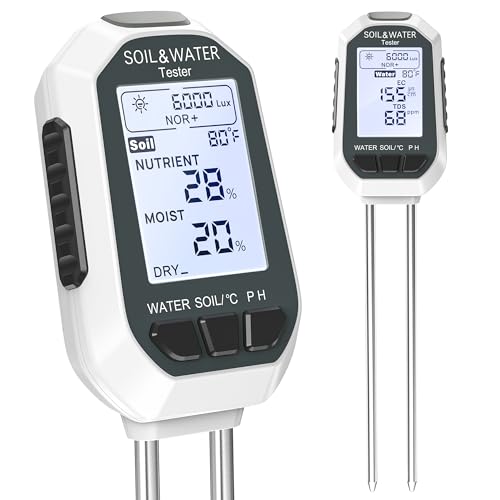
【7-in-1 Features】This is a 7-in-1 multi-function soil tester. Our soil tester quickly measures soil moisture, pH, temperature and light intensity, and its fertility function helps you take better care of your plants. With this device you can measure the soil moisture, pH, temperature and light intensity for your plants and with the EC and TDS functions you will know when it is time to water the soil.
Climate Requirements
Grapes thrive in temperate climates with warm, dry summers and mild winters. They require plenty of sunlight to ripen properly, making locations with long sunny days ideal for cultivation. Regions with consistent temperatures between 60-100°F (15-38°C) during the growing season are best suited for grape production.
Soil Preferences
Well-drained soil is vital for grapevines as they do not tolerate waterlogged conditions. Sandy loam or gravelly soils are preferred as they promote good drainage and prevent root rot. Additionally, the soil should have a slightly acidic to neutral pH level ranging from 6.0 to 7.0 to ensure optimal nutrient uptake by the vines.
By paying attention to these critical factors like climate requirements and soil preferences, you can create an environment that fosters healthy grape growth in your own backyard vineyard.
Grape Varieties and Their Ease of Cultivation
When selecting grape varieties to grow in your backyard vineyard, it’s essential to consider the ease of cultivation. Different grape varieties have varying requirements and adaptability to different climates and soil conditions. Here are some popular grape varieties categorized based on their ease of cultivation:
Recommended Products

America's Grape Vine - Concord grapes have been loved since the 1800's and were one of the first widely successful native grape varieties, helping establish a domestic grape industry.

Live Grape Vine Plant – Thompson Seedless White Grape Vine is delivered as a live plant suitable for home gardens and outdoor growing spaces.

High Germination Rate: Our grape seeds ensure high germination, giving you the best chance to grow healthy grapevines at home.
Popular Varieties for Beginners
- Concord Grapes: Known for their versatility and hardiness, Concord grapes are excellent for beginners. They thrive in various climates and soil types, making them a resilient choice for home growers.
- Thompson Seedless Grapes: These seedless grapes are easy to grow and maintain, making them ideal for novice gardeners. They prefer warm, dry climates but can adapt well to different conditions with proper care.
- Muscat Grapes: Muscat grapes are prized for their sweet flavor and aromatic profile. While they require a bit more attention than some other varieties, they are still relatively easy to cultivate, especially in moderate climates.
- Cabernet Sauvignon Grapes: Although considered challenging to grow due to their specific climate requirements, Cabernet Sauvignon grapes can be rewarding for experienced growers looking for a challenge. They thrive in regions with long growing seasons and well-drained soils.
- Riesling Grapes: Riesling grapes excel in cooler climates with good sun exposure. While they may pose challenges in warmer regions, they can produce exceptional wines when grown in the right conditions with proper care.
By choosing grape varieties that align with your climate and soil characteristics, you can set yourself up for success as you embark on your home grape-growing journey. Remember to research each variety’s specific needs and provide adequate care to ensure healthy growth and bountiful harvests in your vineyard.
Common Challenges in Growing Grapes
When it comes to growing grapes, you may encounter some common challenges that can affect the health and productivity of your vines. Understanding these challenges and how to address them is crucial for successful grape cultivation.
Recommended Products

Grow your own delicious red grapes with a healthy live grapevine, perfect for fresh eating, juicing, jams, and even home winemaking.


Grow your own delicious red grapes with a healthy live grapevine, perfect for fresh eating, juicing, jams, and even home winemaking.
Pests and Diseases
Grapes are susceptible to various pests and diseases that can impact their growth and fruit production. Some common pests that may affect grapevines include:
- Grape Phylloxera: These tiny insects feed on the roots of grapevines, causing damage to the plant’s vascular system.
- Powdery Mildew: A fungal disease that appears as a powdery white substance on leaves, affecting photosynthesis.
- Birds: Birds can be a nuisance, especially during harvest season, feeding on ripe grapes.
To mitigate these issues, consider implementing pest management strategies such as using insecticidal soaps for controlling insects or sulfur sprays for fungal diseases. Netting can also help protect your grapes from birds.
Maintenance Techniques
Proper maintenance is essential for ensuring healthy grapevines and bountiful harvests. Here are some key maintenance techniques you should follow:
- Pruning: Regular pruning helps promote air circulation within the vine canopy, reducing the risk of diseases.
- Watering: Provide consistent watering, especially during dry periods, to support optimal growth.
- Fertilization: Apply balanced fertilizers to provide essential nutrients for vine development.
By incorporating these maintenance practices into your grape growing routine, you can enhance the overall health of your vines and increase the chances of a successful harvest.
Sustainable Practices for Growing Grapes
To ensure a successful grape-growing venture, you must adopt sustainable practices that promote the health and vitality of your vines. By following these guidelines, you can cultivate robust grapevines and enjoy bountiful harvests year after year.
Proper Water Management
- Water your grapevines deeply but infrequently to encourage deep root growth.
- Aim to provide around 1 inch of water per week during the growing season.
- Consider drip irrigation systems for efficient water delivery directly to the roots.
Soil Health Maintenance
- Conduct soil tests regularly to monitor nutrient levels and pH balance.
- Incorporate organic matter like compost or well-rotted manure to improve soil structure.
- Mulch around the base of the vines to retain moisture and suppress weed growth.
Integrated Pest Management (IPM)
- Implement IPM strategies to control pests while minimizing environmental impact.
- Monitor vineyards regularly for signs of pests and diseases.
- Use natural predators, pheromones, or traps as alternatives to chemical pesticides.
Pruning Techniques
- Prune your grapevines during dormancy to remove dead wood and shape the plant.
- Train vines onto a trellis system for better air circulation and sunlight exposure.
- Follow pruning guidelines specific to each grape variety for optimal growth.
Fertilization Practices
- Apply fertilizers based on soil test recommendations to avoid over-fertilization.
- Use organic fertilizers rich in nitrogen, phosphorus, and potassium for balanced nutrition.
- Split fertilizer applications throughout the growing season for consistent vine nourishment.
- Sow cover crops between vine rows to prevent erosion and enhance soil fertility.
- Choose legumes like clover or vetch that fix nitrogen in the soil naturally.
- Rotate cover crops annually to maintain soil health and biodiversity in your vineyard.
Conclusion
Growing grapes at home can be a rewarding experience. By understanding the climate, soil, and grape varieties that suit your area, you set yourself up for success. Overcoming challenges like pests and diseases through proper maintenance techniques is key to ensuring healthy vine growth. Embracing sustainable practices, such as efficient water management and integrated pest control, not only benefits your vines but also contributes to maintaining soil health and biodiversity in your home vineyard. Remember, with dedication and the right knowledge, you can enjoy a flourishing grape harvest while nurturing your environment. Happy growing!
Frequently Asked Questions
What are the key factors influencing successful grape growing at home?
Successful grape growing at home depends on climate requirements, soil preferences, and selecting suitable grape varieties. Additionally, managing pests and diseases, along with proper maintenance techniques like pruning and fertilization, play crucial roles.
How can I ensure sustainable practices for grape cultivation at home?
To ensure sustainability in grape cultivation at home, focus on proper water management, maintaining soil health, integrated pest management strategies, correct pruning techniques, suitable fertilization practices, and sowing cover crops between vine rows. These practices promote vine health, abundant harvests while preserving soil fertility and biodiversity.
