

There are a lot of different types of cherry trees, so it’s tough to make a blanket statement about whether or not they are deciduous or evergreen. However, in general, most cherry trees are deciduous, meaning they lose their leaves in the fall and winter. A few types of cherry trees, however, are evergreen, meaning they keep their leaves year-round. So, if you’re not sure which type of cherry tree you have, it’s best to ask a local expert or do some research to find out.
Cherry trees are actually a type of fruit tree, and like most fruit trees, they are deciduous, meaning they lose their leaves every winter.
Recommended Products
Do not transplant into another container, only the ground. These are ready to plant and should be put in the ground according to the included instructions upon arrival. All pictures are of fully grown plants. Sizes shipped are in the title and description. Deciduous plants do not have leaves in the winter.
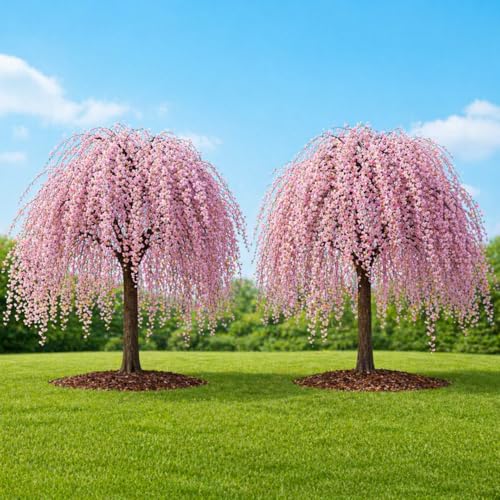
WHAT YOU WILL RECEIVE: 2 Cherry blossom tree live plant approximately 6 - 12 inches tall, prepared for transplanting into garden soil or outdoor containers

High-Quality Material: Made from twisted wire strands, exclusive and fine materials designed to last, these craft models promise longevity and maintain their vibrant color over time.
Do cherry trees lose leaves in winter?
Cherry trees are known to lose their leaves in winter, though there are several reasons why this may occur. It could be due to the weather conditions at the time, the species of tree, or even disease or insect infestation. Regardless of the cause, it is important to note that this is a natural process for cherry trees and is not cause for alarm.
Cherry trees are susceptible to a number of diseases that can cause them to lose their leaves. These diseases include bacterial leaf spot, powdery mildew, and leaf blight. To prevent these diseases from infecting your cherry tree, make sure to water it regularly and keep the area around the tree free of debris.
Recommended Products

Size: Deer netting size 7 feet x 100 feet; garden netting mesh size 3/4"; color: black; Easy to use accessories included: 10pcs installation nails & 50pcs cable ties

High-Quality Non-Woven Fabric: Our tree wraps are made from premium non-woven fabric, designed to effectively protect bark from winter frost damage and summer heat stress, ensuring the longevity of your trees.

3 Layers Materials:Tree root protective cover is made of three layers of material - nonwoven, sponge and aluminum film, which effectively protects the roots from cold weather and other conditions, avoiding winter icing and frost damage to the tree.
Are cherries evergreen or deciduous
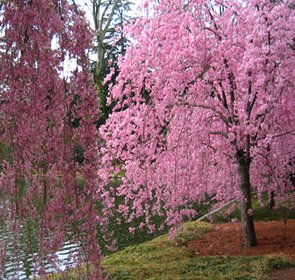
Cherry blossom trees are a beautiful addition to any garden or landscaping. They are typically deciduous, meaning they lose their leaves in the fall, and prefer full sun to partial shade. They can grow to be about 25 feet tall, making them a great option for a privacy screen. Additionally, they have a favorable fire resistance rating, and their roots have a low potential for damaging underground utilities or paved areas.
Hollyleaf cherry is a beautiful evergreen shrub that is perfect for adding a splash of color to your garden. This tough little plant is native to coastal California and northern Baja California and can reach up to 15 meters in height. It has dense, sclerophyllous foliage that is perfect for creating a privacy screen or hedge.
How do you winterize a cherry tree?
Mulch is a great way to keep weeds down and create a cool barrier on the ground surface. It helps to keep the ground moist and helps prevent evaporation.
Cherry trees enjoy moist soil. They need an inch of water every two weeks while they’re young. It may be a good idea to keep up with the rainfall with weather reports, or a rain gauge to see how much rainwater your trees are getting. During times of drought, your trees may need a little extra water.
What is the lifespan of a cherry tree?
Cherry trees have a short lifespan compared to other trees, typically around 15-30 years. However, black cherry trees can live for up to 250 years. This is due to the fact that black cherry trees are more resistant to disease and pests.
Cherry trees are a great choice for those looking for a beautiful flowering tree that also produces edible fruit. Both sweet and sour cherry trees are relatively easy to grow, and the fruits of both types can be used in a wide variety of ways. Sweet cherries are often eaten fresh, while sour cherries are often used in pies and other baked goods.
What happens if you don’t prune a cherry tree
Annual pruning of cherry trees is a important part of maintaining the health of the trees. By removing older fruiting wood and younger branches, the trees are able to stay more compact and easier to pick the fruit from. Additionally, maintaining a clear flow of air through the cherry tree will help to prevent the spread of diseases.
This is called cold-hardening, and it’s how trees prepare for winter. As temperatures drop, the tree produces a waxy substance that coats the buds and protects them from the cold. This process can take anywhere from a few days to a few weeks, depending on the tree.
Do cherry trees have off years?
Bearing fruit every other year can put a lot of stress on a cherry tree. In some cases, it can even inhibit the tree’s ability to flower properly the following year. If you notice your cherry tree isn’t bearing as much fruit as usual, it’s important to check for any potential stressful factors (such as too much fruit set) and take corrective action if needed.
Cherry blossoms are a cherished sight in many parts of the world. These beautiful trees typically have delicate, deciduous blossoms that come in many different shapes and sizes. Some cherry blossoms bloom early in the spring, while others are late bloomers. The Okame Cherry Tree is an early bloomer with medium pink petals, while the Kwanzan Cherry Tree opens in late spring with deep pink flowers. Cherry blossoms are enjoyed by many people for their beauty and delicate nature.
Recommended Products

Supports Strong Growth & Better Fruit Development - Helps promote vigorous growth, healthy foliage, and improved cherry production.

FORMULATED FOR CITRUS AND FRUIT TREES: Use these citrus fertilizer spikes on apple, orange, lemon, lime, and avocado trees; this formula is also great for feeding palm trees

Let our professionally formulated plant food help your fruit tree grow healthy, strong AND abundantly producing
Do cherry trees need sun or shade
Cherry trees need full sun to produce fruit, and also to keep diseases and pests at bay. Full sun is defined as at least six to eight hours of sunlight each day. This sunlight is critical to the tree’s health and to the production of high-quality fruit. If you are planting a cherry tree, be sure to choose a location that gets full sun and has well-drained, fertile soil.
Cross-pollination is necessary for fruit set in many sweet cherry varieties. These plants cannot produce fruit from their own pollen and require pollination from another variety in order to set fruit. Only one sour cherry tree needs to be planted for pollination purposes.
How cold can cherry trees survive?
The arrival of warmer weather signals the start of blooming season for cherry blossoms. However, if temperatures dip below 27 degrees for even half an hour, it can cause damage to buds. Furthermore, sustained colder weather over multiple days can destroy up to 90 percent of buds, leaving many trees without blossoms. While charming, the delicate flowers are sadly delicate, meaning that a spring breeze can bring both beauty and destruction.
Pruning of cherries is usually carried out in late July or August, when silver leaf and bacterial canker are less prevalent. Light formative pruning can be done in spring as the leaves start to develop. This pruning helps to control the size and shape of the tree, and to promote fruit production.
Should I cover my cherry tree from frost
We suggest covering your tree with a cloth or burlap to protect the blooms from the freezing cold air. Be sure to completely cover the tree and extend the material fully down to the ground to provide adequate protection.
Cherry trees are a popular choice for many homeowners looking to add some color and life to their yards. These trees can provide beautiful blooms in the spring and summer, and their fruits can be a tasty addition to many recipes. While growing either type of cherry tree requires some difference in care, in general, they just need to have good air circulation, an adequate amount of sunlight, and well-drained and fertile soil. However, cherry trees are vulnerable to root rot, so the soil needs to be well-drained to prevent this issue. With proper care, cherry trees can be a wonderful addition to any home.
Are coffee grounds good for cherry trees
If you have coffee grounds that you would like to use as fertilizer, it is best to use them on acid-loving plants like azaleas and blueberries. Using coffee grounds on plants that are not accustomed to high levels of acidity could stunt their growth. In addition, if your soil is already high in nitrogen, the extra boost from coffee grounds could cause problems for fruits and flowers.
It takes anywhere from 4 to 5 years for a cherry tree to reach maturity and produce a full crop. That said, some varieties of cherry trees grow faster than others. If you’re looking for a quicker harvest, make sure to research the different types of cherry trees before planting.
How long does it take a cherry tree to bear fruit
Cherry trees are a popular fruit tree for many homeowners. They are generally easy to care for and produce a good amount of fruit each year. Most cherry trees will begin bearing fruit in their fourth year, although dwarf varieties may bear fruit a year earlier. A mature, standard-size cherry tree will produce 30 to 50 quarts of cherries annually, while a dwarf tree will produce 10 to 15 quarts. When choosing a cherry tree for your home, be sure to select a variety that is suitable for your climate and space limitations.
This rule of thumb ensures that the roots of one tree do not interfere with the roots of another, competing for water and nutrients. By having a separation distance that is at least equal to the mature height of the tree, you can be sure that the roots have enough space to spread out and not cause any problems.
Why are cherry trees hard to grow
Cherry trees are beautiful, but they require a lot of care to maintain. They are susceptible to root rot, so the soil needs to be well-draining. They also need at least eight hours of sunlight each day, so you cannot plant them in the shade of other trees. Cherry trees require annual pruning to maintain their shape and size. They also need to be protected from birds, who love to eat the cherries!
Although a tree’s roots and internal functions are dormant during the winter months, the tree still needs a regular supply of water and oxygen. Without these essential elements, the tree can become stressed and damaged. To ensure your tree remain healthy during the winter, be sure to water it regularly and keep the surrounding area clear of snow and debris.
Warp Up
Cherry trees are deciduous.
Although there are many different types of cherry trees, most of them are deciduous. This means that they lose their leaves during the fall and winter months. However, there are a few evergreen varieties of cherry trees. These types of trees keep their leaves all year round.
