

Overview of Pruning Shears
When it comes to caring for your plants, choosing the right pruning tool is essential for maintaining their health and appearance. Pruning shears, also known as secateurs, are specifically designed to make clean and precise cuts on small to medium-sized branches. They come in various types, such as bypass and anvil pruners, each serving a distinct purpose based on the task at hand.
Key features of pruning shears include sharp blades, ergonomic handles for a comfortable grip, and mechanisms for adjusting the cutting strength. With their ability to trim with precision, pruning shears are ideal for shaping plants, removing dead or overgrown branches, and promoting new growth.
When using pruning shears, remember to regularly clean and lubricate the blades to ensure smooth cutting and prevent the spread of diseases between plants. Before pruning, inspect your plants to identify areas that need attention and determine the type of cut required.
Mastering the art of pruning with shears involves understanding plant growth patterns and making strategic cuts to enhance overall plant health. By incorporating pruning into your gardening routine, you can encourage stronger growth, improve air circulation around plants, and create visually appealing landscapes.
In the next section, we’ll explore the differences between pruning shears and scissors to help you choose the right tool for your gardening needs.
Features of Pruning Shears
When selecting pruning shears for your gardening needs, it’s crucial to consider the following key features:
- Sharp Blades: Sharp blades ensure clean cuts without causing unnecessary damage to plants.
- Ergonomic Handles: Comfortable handles reduce strain on your hands during prolonged use.
- Cutting Strength Adjustments: Adjustable cutting strength allows for versatility when dealing with different branch sizes.
To make the most of your pruning shears, always keep the blades clean and well-lubricated. This practice not only prolongs the tool’s lifespan but also prevents the spread of diseases between plants.
Strategic cutting techniques play a vital role in maintaining plant health and promoting growth. By understanding where and how to make cuts, you can encourage new growth and maintain the shape of your plants effectively.
Benefits of Pruning Shears
When it comes to pruning shears versus scissors, the benefits of pruning shears are clear. Here’s why pruning shears are a must-have tool for any avid gardener:
- Sharp Precision: Pruning shears are designed for clean cuts, ensuring minimal damage to plants.
- Efficient Cutting: With their lever-based design, pruning shears make it easier to trim even thick branches with less effort.
- Reduced Strain: The ergonomic handles of pruning shears provide a comfortable grip, reducing hand fatigue during extended use.
- Versatile: Thanks to adjustable cutting strengths, pruning shears can handle a variety of plant sizes and densities with ease.
- Plant Health: By promoting new growth and maintaining plant shape, pruning shears help in the overall health and appearance of your plants.
By incorporating pruning shears into your gardening routine, you’ll find yourself achieving cleaner cuts, healthier plants, and a more enjoyable pruning experience.
Overview of Scissors
When it comes to scissors in gardening, they are versatile tools mainly used for light trimming and cutting smaller plants, flowers, and thin branches or stems easily.
Scissors have shorter blades, designed for precision cutting in tight spaces, making them ideal for indoor plants or small outdoor plants that require delicate care.
One key advantage of scissors is their portability. You can easily carry them in your pocket or tool belt, making them convenient for quick touch-ups in the garden.
Unlike pruning shears, scissors are not suitable for cutting thicker branches or tough plant material due to their limited cutting capacity.
Remember, when using scissors for gardening, it’s important to keep the blades sharp to ensure clean cuts and minimize damage to plants.
Differences Between Pruning Shears and Scissors
Pruning Shears:
- Designed for thicker branches and stems.
- Have sharp blades that can handle tougher plant material.
- Provide increased cutting power for precision pruning.
- Come in various types like bypass, anvil, and ratchet for different cutting needs.
Scissors:
- Primarily for light trimming and shaping of small plants.
- Feature finer blades suitable for delicate cuts.
- Ideal for indoor plants and tight spaces.
- Not recommended for thicker branches or tough plant material.
Main Differences:
- Pruning shears have a higher cutting capacity than scissors.
- Scissors are more portable and convenient for quick touch-ups.
- Choose pruning shears for thicker stems and tough plants.
- Opt for scissors for light pruning and indoor plants maintenance.
Practical Tip:
- Select the tool based on the plant’s size and hardness to ensure clean and effective pruning.
Recommended Products

Unbreakable sharpness! Japanese SK5 steel blade with titanium coating endures 100,000 cuts. Built for lifelong clean cuts

IDEAL BRANCH TRIMMER: 28" Steel blade garden bypass lopper that glides through up to 1.5" thick branches for easy cuts; Works well for trimming tree branches to maintain your yard and garden, and to encourage overall plant health and appearance
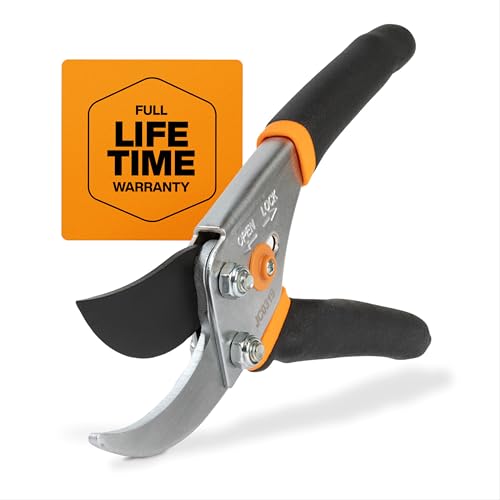
CLEAN CUTS FOR LIVE GROWTH: Bypass blade design is ideal for pruning delicate flower stems and green growth, helping reduce crushing and plant damage while cutting stems and small branches up to 5/8” in diameter
Conclusion
When it comes to choosing between pruning shears and scissors for your gardening needs, remember that each tool has its own strengths. Pruning shears offer power and precision for thicker branches, while scissors are perfect for delicate cuts on smaller plants. By understanding the differences in cutting capacity and design, you can make the right choice based on your specific pruning requirements. Whether you’re tackling tough outdoor plants or giving your indoor greens a trim, having the right tool at hand can make all the difference in maintaining healthy and thriving plants. So, next time you’re in the garden, consider the task at hand and reach for the tool that best suits the job for efficient and effective pruning.
Frequently Asked Questions
What are the main differences between pruning shears and scissors in gardening?
Pruning shears are designed for thicker branches and tougher plant material, offering increased cutting power and precision pruning capabilities. Scissors are more suited for light trimming and shaping of small plants, featuring finer blades for delicate cuts, ideal for indoor plants and tight spaces.
What types of pruning shears are available in the market?
Pruning shears come in various types like bypass, anvil, and ratchet. Each type has specific features and benefits depending on the cutting needs and preferences.
When should I choose pruning shears over scissors for gardening tasks?
It is recommended to choose pruning shears for thicker stems and tough plants that require more cutting power and precision. Scissors are better suited for light pruning and maintenance of indoor plants due to their delicate cutting nature.
What practical tip can enhance my gardening experience with pruning tools?
Select the appropriate tool based on the plant’s size and hardness for effective pruning. Choosing the right tool for the specific task can make your gardening experience more efficient and successful.
