
Close Menu
    Fruit Tree Hub
    • Home
    • Apple Trees
    • Lemon Trees
    • Mango Trees
    • Orange Trees
    • More Trees
      • Best Fruit Trees
      • Apricot Trees
      • Cherry Trees
      • Fig Trees
      • Lime Trees
      • Mulberry Trees
      • Peach Trees
      • Pear Trees
      • Plum Trees
      • Pomegranate Trees
    • Tips and Advice
      • Tools
    • About Us
      • Contact
      • Privacy Policy
    Fruit Tree Hub
    Home»Tools»How to Sharpen a Pruner Blade for Clean Cuts: A Comprehensive Guide
    Tools

    How to Sharpen a Pruner Blade for Clean Cuts: A Comprehensive Guide

    Lucy SmithBy Lucy SmithApril 5, 20245 Mins Read
    Share Facebook Twitter Pinterest WhatsApp Email
    Share
    Facebook Twitter LinkedIn Pinterest Telegram Email

    Ever struggled with a dull pruner blade that just won’t cut it? Imagine effortlessly gliding through branches like a hot knife through butter. How satisfying would that be?

    Contents show
    1 Understanding the Anatomy of a Pruner Blade
    2 Signs That Your Pruner Blade Needs Sharpening
    3 Tools Required for Sharpening
    4 Steps to Sharpen Your Pruner Blade
    5 Maintenance Tips for a Sharp Pruner Blade
    6 Conclusion
    7 Frequently Asked Questions
    7.1 How often should I sharpen my pruner blade?
    7.2 Why is it important to clean the pruner blade after each use?
    7.3 What should I do if I notice nicks on the pruner blade?
    7.4 Where should I store my pruner to keep the blade in good condition?
    7.5 How can I prevent the pruner blade from overheating during sharpening?

    In this article, you’ll uncover the secrets to sharpening your pruner blade like a pro. Say goodbye to the frustration of struggling with a blunt tool and hello to precision cutting with ease.

    Understanding the Anatomy of a Pruner Blade

    When it comes to sharpening a pruner blade effectively, understanding the anatomy of the tool is crucial. Here’s what you need to know:

    • Cutting Blade: This is the sharp edge responsible for cutting through branches.
    • Anvil: The flat surface that the blade presses against during cutting.
    • Spring & Lock: These parts help control the movement of the blade for safe and efficient cutting.
    • Handles: Where you hold the pruner, providing leverage and control.

    By grasping the key components of the pruner blade, you can better grasp how sharpening techniques impact its performance. Whether it’s honing the cutting edge or adjusting the anvil, a deeper understanding leads to improved results in your pruning tasks.

    Signs That Your Pruner Blade Needs Sharpening

    • Ragged Cuts: If you notice rough, jagged cuts instead of clean ones, it’s time for sharpening.
    • Effortful Cutting: When pruning becomes more laborious, your blade may be dull.
    • Wilted Plant Matter: Wilting instead of clean cuts on plants indicates a dull blade.

    MUST READ
    How to Use a Pole Pruner like a Pro: Essential Techniques for Tree Maintenance

    Tools Required for Sharpening

    To sharpen a pruner blade effectively, you’ll need a few specific tools. Here’s what you’ll need:

    • Sharpening stone: This is essential for removing nicks and reshaping the blade.
    • Lubricating oil: Helps keep the stone clean and prevents the blade from overheating.
    • Safety gloves: Protect your hands from any accidents while sharpening.
    • Cloth or rag: Used to wipe down the blade and keep it clean.
    • Safety goggles: Protect your eyes from any metal shavings or debris during sharpening.

    Collect these tools before you start sharpening your pruner blade to ensure a smooth and safe sharpening process.

    Recommended Products

    Chumia 2 Pcs Garden Tool Sharpening Stone Diamond Coated, 9 X 1.47" | Garden Sharpening Stone Portable Sharpener for Garden Tools, Pruners, Shears, Lawn Mower,Knives and Outdoor Tool Maintenance
    Chumia 2 Pcs Garden Tool Sharpening Stone Diamond Coated, 9 X 1.47" | Garden Sharpening Stone Portable Sharpener for Garden Tools, Pruners, Shears, Lawn Mower,Knives and Outdoor Tool Maintenance

    Reliable Material: our garden tool sharpener is made of corundum, with good wear resistance and corrosion resistance, you can use it with confidence, can be applied for a long time, and will not easy to break or fade

    VIEW LATEST PRICE

    As an affiliate, we earn on qualifying purchases.

    SHARPAL 103N All-in-1 Knife Garden Tool Lawn Mower Blade Sharpener | Axe, Hatchet, Machete, Pruner, Hedge Shears, Scissors, Gardening Sharpening Tool Gifts for Men
    SHARPAL 103N All-in-1 Knife Garden Tool Lawn Mower Blade Sharpener | Axe, Hatchet, Machete, Pruner, Hedge Shears, Scissors, Gardening Sharpening Tool Gifts for Men

    VERSATILE – The most versatile sharpener in the market to sharpen and hone both single and double beveled blades including knife, mower blade, pruner, loppers, hedge shears, axe, machete, hatchet, scissors, edged tool, etc.

    VIEW LATEST PRICE

    As an affiliate, we earn on qualifying purchases.

    2 Pack Pocket Sized Garden Tool Blade Sharpener Sharpening Tool for Pruners, Shears, Knives, Axes Portable & Easy to Use for Gardening, Camping, Outdoors
    2 Pack Pocket Sized Garden Tool Blade Sharpener Sharpening Tool for Pruners, Shears, Knives, Axes Portable & Easy to Use for Gardening, Camping, Outdoors

    QUICK & EFFECTIVE SHARPENING ANYWHERE : Our is crafted from high-quality steel, delivering a fine, razor-sharp edge in seconds. It's perfectly designed for quick touch-ups on garden tools like pruners, shears, and knives, ensuring your blades are always ready for a clean cut, whether in the garden or at the campsite

    MUST READ
    How to Safely and Effectively Use Yardworks 10 Tree Pruner: Maintenance Tips Included
    VIEW LATEST PRICE

    As an affiliate, we earn on qualifying purchases.

    Steps to Sharpen Your Pruner Blade

    Sharpening your pruner blade is a simple process that can be done efficiently by following these steps:

    • Step 1: Disassemble the Pruner

    • Start by disassembling the pruner to access the blade easily. This usually involves removing a retaining bolt or screw.
    • Step 2: Clean the Blade

    • Use a cloth to wipe off any dirt or sap from the blade. A clean blade ensures a smoother sharpening process.
    • Step 3: Remove Nicks

    • Using a sharpening stone, carefully remove any nicks or burrs on the blade. Maintain a consistent angle while sharpening.
    • Step 4: Sharpen the Blade

    • Move the sharpening stone along the edge of the blade, maintaining the same angle throughout. Repeat this process several times until you achieve the desired sharpness.
    • Step 5: Lubricate the Blade

    • Apply a few drops of lubricating oil to the blade to prevent overheating during use.
    • Once the blade is sharp and clean, reassemble the pruner carefully. Ensure all parts are securely in place.

    Following these steps will help you maintain a sharp pruner blade for clean and precise cuts.

    Recommended Products
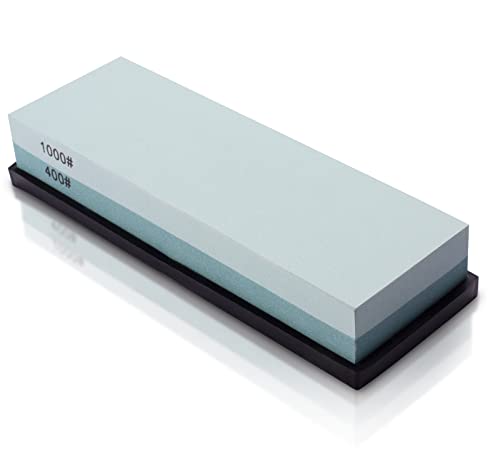
    MIDO PROFESSIONAL ABRASIVE Knife Sharpening Stone 400/1000 Whetstone Sharpening Stone with Non-Slip Rubber Base for Kitchen, Hunting, and Pocket Knives or Blades
    MIDO PROFESSIONAL ABRASIVE Knife Sharpening Stone 400/1000 Whetstone Sharpening Stone with Non-Slip Rubber Base for Kitchen, Hunting, and Pocket Knives or Blades

    DUAL SIDED SHARPENING STONE: Made from durable silicon carbide(processes and inspections.), this two-sided sharpening block comes with both a 400-grit side, used for returning edges to their original shape, and a 1000-grit side used for smoothing and polishing cutting edges. Corrosion-resistant, heat-resistant, edges, and corners are clearly demarcated
    MUST READ
    Finding the Best Bypass Pruner for Your Garden Needs: A Comprehensive Guide
    VIEW LATEST PRICE

    As an affiliate, we earn on qualifying purchases.

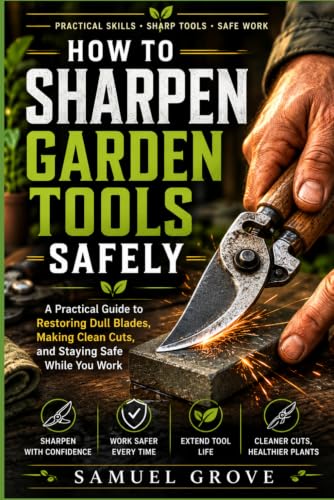
    How to Sharpen Garden Tools Safely: A Practical Guide to Restoring Dull Blades, Making Clean Cuts, and Staying Safe While You Work (Samuel's Garden Guides)
    How to Sharpen Garden Tools Safely: A Practical Guide to Restoring Dull Blades, Making Clean Cuts, and Staying Safe While You Work (Samuel's Garden Guides)
    VIEW LATEST PRICE

    As an affiliate, we earn on qualifying purchases.

    RUSHMORE Garden Tool & Knife Sharpener, 5-in-1 Multipurpose Carbide & Ceramic Blades for Pruners, Loppers, Hedge Shears, Scissors, Axes, Machetes & Lawn Mower Blades – Repairs & Hones Edges
    RUSHMORE Garden Tool & Knife Sharpener, 5-in-1 Multipurpose Carbide & Ceramic Blades for Pruners, Loppers, Hedge Shears, Scissors, Axes, Machetes & Lawn Mower Blades – Repairs & Hones Edges

    【Quick Edge Restoration – Perfect for Garden & Outdoor Tools】The RUSHMORE 5-in-1 Sharpener features a tungsten carbide sharpening head for fast blade restoration. It efficiently hones or repairs damaged edges, making it especially useful for almost all types of garden tools. For best results, use the angled edge of the carbide head against the blade—avoid using the flat surface

    VIEW LATEST PRICE

    As an affiliate, we earn on qualifying purchases.

    Maintenance Tips for a Sharp Pruner Blade

    Keeping your pruner blade sharp is crucial for efficient and clean cuts. Here are some maintenance tips to ensure your pruner blade stays in top condition:

    • Regular Cleaning:
    • After Each Use: Wipe the blade clean with a dry cloth to remove sap and debris.
    • Inspecting the Blade:
    • Look for Nicks: Check for any chips or nicks on the blade edge that can affect cutting.
    • Sharpening Schedule:
    • Regular Maintenance: Sharpen the blade when you notice a decrease in cutting efficiency.
    • Proper Storage:
    • Dry and Secure: Store your pruner in a dry place to prevent rust and keep the blade sharp.
    • Using the Right Tools:
    • Sharpening Stone: Invest in a high-quality sharpening stone for precise and effective sharpening.
    • Lubrication:
    • Prevent Overheating: Apply a thin layer of lubricant to reduce friction and overheating during use.
    MUST READ
    How to Clean Your Echo Power Pruner Carburetor: Practical Maintenance Tips
    FactData
    Blades should be sharpened after 50-100 cutsRegular maintenance is key
    Clean tools last longer and perform betterSimple actions make a big difference

    Recommended Products

    Berry&Bird Sharpening Stone File Garden Tool Sharpener with Ashwood Handle | 180 Grits Silicon Carbide, Sharpening Knife, Axe, Hatchet, Lawn Mower Blade, Spade, Ideal for Garden Chefs Knife Enthusiasts
    Berry&Bird Sharpening Stone File Garden Tool Sharpener with Ashwood Handle | 180 Grits Silicon Carbide, Sharpening Knife, Axe, Hatchet, Lawn Mower Blade, Spade, Ideal for Garden Chefs Knife Enthusiasts

    DURABLE MATERIAL: Constructed from high-quality 180 Grits Black Silicon carbide abrasive stone, which is a very durable abrasive. This stone guarantees longevity and efficiency. Its fine grit smoothly hones the edges, Whether you're a professional craftsman, a hobbyist, or simply someone who believes in maintaining their tools, the Berry&Bird 6" Sharpening Stone is a valuable addition to your toolset.

    VIEW LATEST PRICE

    As an affiliate, we earn on qualifying purchases.

    2 Pack Garden Tool Sharpener - Blade Sharpener Stone for Knife | Mini Sharpener for Kitchen Knives, Pruning Shears All Straight Blades (Black + Red)
    2 Pack Garden Tool Sharpener - Blade Sharpener Stone for Knife | Mini Sharpener for Kitchen Knives, Pruning Shears All Straight Blades (Black + Red)

    【Compact Portable Design】 This garden tool sharpener is pocket-sized. It's small, lightweight, and easy to carry. Ideal for taking on camping trips or outdoor work. Quickly sharpen your tools anywhere, anytime

    VIEW LATEST PRICE

    As an affiliate, we earn on qualifying purchases.

    LXUEJIE 4 Pack Garden Tool Sharpener, Pruning Shears Blade Sharpener, Pocket Blade Sharpeners, Mini Portable Quick Edge Sharpening Multipurpose Usage Knife Sharpeners for Hedge Shears, Sickle, Scissor
    LXUEJIE 4 Pack Garden Tool Sharpener, Pruning Shears Blade Sharpener, Pocket Blade Sharpeners, Mini Portable Quick Edge Sharpening Multipurpose Usage Knife Sharpeners for Hedge Shears, Sickle, Scissor

    【Value Package】You will receive 4 pieces of garden tool sharpener, which measures 12.5x1.5cm/4.92x0.59in and features a portable design that can fit into a tool bag or pocket.

    VIEW LATEST PRICE

    As an affiliate, we earn on qualifying purchases.

    Conclusion

    Ensure your pruner blade stays sharp by following the simple maintenance tips outlined in the article. Regular cleaning, inspection for nicks, and adhering to a sharpening schedule are key to optimal cutting performance. Remember to store your pruner in a dry place, use quality sharpening stones, and apply lubricant to prevent overheating. By sharpening your blade after 50-100 cuts and maintaining it regularly, you’ll extend its lifespan and enhance its cutting efficiency. Clean tools not only last longer but also ensure top-notch performance. Keep these practices in mind to keep your pruner blade sharp and ready for any gardening task.

    MUST READ
    How to Sharpen a Fiskars Tree Pruner Blade: Maintenance Tips & Expert Guide

    Frequently Asked Questions

    How often should I sharpen my pruner blade?

    You should sharpen your pruner blade after every 50-100 cuts to maintain its sharpness and cutting efficiency.

    Why is it important to clean the pruner blade after each use?

    Cleaning the pruner blade after each use helps prevent sap buildup, rust, and debris, ensuring a clean and effective cutting performance.

    What should I do if I notice nicks on the pruner blade?

    If you notice nicks on the pruner blade, you should file them down gently to maintain a smooth cutting edge.

    Where should I store my pruner to keep the blade in good condition?

    Store your pruner in a dry place to prevent moisture buildup, rusting, and damage to the blade.

    How can I prevent the pruner blade from overheating during sharpening?

    To prevent the pruner blade from overheating during sharpening, apply lubricant periodically to reduce friction and heat buildup.

    Share. Facebook Twitter Pinterest LinkedIn Tumblr Email
    lucy smith
    Lucy Smith
    • Website

    Lucy Smith is a highly experienced horticulturist with a passion for fruit tree cultivation. She holds a degree in Horticulture from the University of California, Davis, and has worked in various roles in the industry. With over 10 years of experience, Lucy is dedicated to using eco-friendly methods for sustainable gardening practices.

    Related Posts

    5 Best Cordless Pruners of 2024 – Effortless Gardening Tools Reviewed

    September 26, 2024

    The 5 Best Loppers of 2024: Pruning Made Easy and Efficient

    September 26, 2024

    The 5 Best Pruning Saws of 2024 – Cut Through Your Gardening Tasks With Ease

    September 26, 2024

    The 5 Best Pruning Shears of 2024 – Your Essential Gardening Tools

    September 26, 2024

    5 Best Heavy Duty Pruning Shears for Effortless Gardening in 2024

    September 26, 2024

    The 4 Best Pruning Blades for Reciprocating Saws: Ultimate Guide for Gardeners

    September 26, 2024
    Leave A Reply Cancel Reply

    Affiliate Disclosure

    As an Amazon Associate I earn from qualifying purchases.

    Recommended Reading

    Papaya Trees in a Pot in Houston, TX (Humidity Management Guide)

    How to Care for a Mature Grapefruit Tree: Essential Tips for Healthy Growth

    Can you graft a fig tree?

    Can Tamarind Trees Be Used for Shade

    What Zone in Philly for Growth Fruit Tree: Best Varieties and Care Tips for Success

    Can Cherry Trees Grow in Riverside, CA? Inland Empire Success

    Planting Kiwi Seeds at Home – Guide to Growing Healthy Fruitful Plants

    Can You Plant Fruit Trees in Spring: Essential Tips for Success in Your Garden

    Lemon Trees in Sacramento, CA (Valley Sun Success Secrets)

    Growing Cherry Trees in Fresno, CA: Central Valley Harvest Tips

    Fruit Tree Hub

    Fruit Tree Hub is a website dedicated to providing you everything you need to grow fruit trees successfully at in your own yard.

    Contact us at: [email protected]

    - AFFILIATE DISCLOSURE: As an Amazon Associate I earn from qualifying purchases.

    Latest Posts

    18 Coastal Crochet Tops in White and Neutral Shades

    16 Retro Crochet Tops Built Around Multicolor Granny Squares

    16 Modest Crochet Tops Featuring Higher Necklines

    19 Cottagecore Crochet Tops With Square Necklines

    13 Ruffled Crochet Tops With Flared Hems

    19 Lace Crochet Tops Featuring Intricate Openwork

    14 Floral Crochet Tops Inspired by Botanical Motifs

    20 Boho Crochet Halter Tops for Festival Outfits

    Categories
    • Almond Trees
    • Apple Trees
    • Apricot Trees
    • Best Fruit Trees
    • Blackberry
    • Cantaloupe
    • Cherry Trees
    • Christmas Crochet Ideas
    • Crochet Bag Ideas
    • Crochet Blanket Ideas
    • Crochet Dress Ideas
    • Crochet Ideas
    • Crochet Ideas for Beginners
    • Crochet Top Ideas
    • Cucamelon
    • Easy Crochet Ideas
    • Easy Knitting Projects
    • Fall Crochet Ideas
    • Fig Trees
    • Grapefruit Trees
    • Grapes
    • Guava Trees
    • Halloween Crochet Ideas
    • Honeydew
    • Jujube Trees
    • Kiwi
    • Knitting For Beginners
    • Knitting Ideas
    • Knitting Inspiration
    • Lemon Trees
    • Lime Trees
    • Loquat Trees
    • Mango Trees
    • Mulberry Trees
    • Nectarine Trees
    • Olive Trees
    • Orange Trees
    • Papaya Trees
    • Peach Trees
    • Pear Trees
    • Persimmon Trees
    • Planting
    • Plum Trees
    • Pomegranate Trees
    • Quince Trees
    • Raspberry
    • Reviews
    • Small Crochet Ideas
    • Star Fruit Trees
    • Summer Crochet Ideas
    • Tamarind Trees
    • Tangerine Trees
    • Tips and Advice
    • Tools
    • Uncategorized
    • Walnut Trees
    • Winter Crochet Ideas
    © 2026 Fruit Tree Hub
    • Home
    • About Us
    • Contact
    • Privacy Policy
    • Terms and Conditions
    • Disclaimer
    • Editorial Policy
    • Affiliate Disclosure

    Type above and press Enter to search. Press Esc to cancel.