

Definition of a Lopper
A lopper is a gardening tool designed specifically for trimming branches and bushes. It’s ideal for cutting hard-to-reach areas that are too thick or sturdy for regular pruning shears. Loppers come in various types, such as bypass loppers and anvil loppers, each serving a specific purpose based on the kind of pruning you need to do.
With a long handle and sharp blades, loppers provide leverage and precision when cutting branches. They can tackle branches up to 1.5 to 2 inches in diameter, making them a versatile tool for your garden maintenance needs. Loppers are commonly used in orchards, vineyards, and general landscaping to ensure clean and efficient cuts.
When using a lopper, it’s important to position the branch deep into the jaws of the tool to optimize cutting power. It’s also recommended to cut branches at a slight angle to promote healing and prevent damage to the main trunk of the plant. Regularly cleaning and sharpening the blades of your lopper will ensure smoother cuts and prolong the tool’s lifespan.
Remember, loppers are not meant for cutting large tree branches or tough woody stems. For thicker branches, consider using a pruning saw or chainsaw instead. By understanding the capabilities of a lopper and using it correctly, you can maintain a healthy and well-groomed garden effortlessly.
Types of Loppers
When it comes to loppers, there are different types available, each designed for specific pruning tasks. Here are a few common types you might encounter:
- Bypass Loppers
- Designed like scissors, bypass loppers have two blades that pass by each other. They are great for making precise cuts on live branches.
- Anvil Loppers
- Featuring one straight blade that cuts against a flat edge, anvil loppers are ideal for cutting dead wood or tough branches.
Using the right type of lopper for the job ensures efficient and effective pruning.
Recommended Products

IDEAL BRANCH TRIMMER: Fiskars 28-Inch Power-Lever Bypass Garden Lopper glides through branches up to 1.75" thick for easy cuts; Works well for trimming tree branches to maintain your yard and garden and encourage overall plant health and appearance

Powerful Compound Action Cutting – Compound leverage multiplies cutting force, making it easier to cut through thick, tough branches with less effort compared to standard loppers.

CHOPS THROUGH 2-INCH BRANCHES EFFORTLESSLY: The compound action mechanism multiplies your cutting power for fast removal of dry, dead and woody growth. This anvil-style blade is built for the toughest preparatory cuts and cut-to-length work, making heavy-duty pruning dramatically easy through extra leverage.
How to Use a Lopper
When using a lopper, follow these steps for optimal results:
- Positioning: Place the branch deep into the jaws of the lopper for maximum cutting power.
- Cutting Technique: Make clean cuts by slicing smoothly through the branch.
- Angles Matter: Cut at angles to promote healthy healing of the plant.
- Blade Maintenance: Keep the blade clean and sharp for efficient cutting.
Remember, using the right lopper for the job and following proper techniques are essential for maintaining a well-groomed garden.
Recommended Products

Tungsten Carbide Blade for Fast, Effective Sharpening – Features a durable tungsten carbide sharpening edge that restores a sharp, clean blade in just a few strokes, helping pruners, loppers, shears, and knives cut smoothly with less resistance.

LONG-LASTING SHARPNESS: Japanese SK5 bypass blade with titanium coating is tested through 5,000 cuts to maintain a sharp edge and deliver clean, consistent cuts on live stems and branches

ONE-STOP GARDEN TOOL SHARPENER: The Garden Tool Sharpener restores and sharpens most blades to their sharpest condition in just a few strokes, ensuring peak performance with minimal effort - an ideal solution for maintaining razor-sharp edges on a vast array of tools including lawn mower blades, axes, hatchets, machetes, pruners, hedge shears, and scissors.
Maintenance and Care Tips for Loppers
Caring for your tools is essential to ensure they stay in top condition and perform their best. Here are some easy-to-follow maintenance tips for keeping your lopper in great shape:
- Clean after Each Use: Wipe off any dirt or sap with a damp cloth. Dry them thoroughly to prevent rust.
- Check for Damage: Regularly inspect the blades and handles for any signs of wear or damage.
- Sharpen Blades: Keep the blade sharp for clean cuts; you can use a sharpening stone or file.
- Oil Moving Parts: Apply a light coating of oil to pivot points to prevent sticking and rust.
- Store Properly: Hang loppers or store them in a dry place to prevent moisture and rust.
Maintaining your lopper regularly will not only prolong its life but also ensure it’s always ready for your next gardening task.
Recommended Products
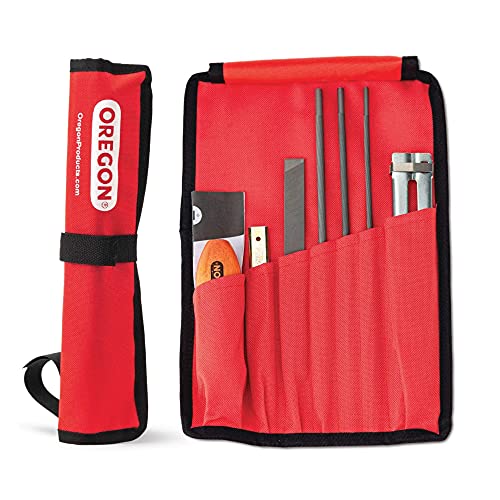
This portable universal chainsaw sharpening kit by Oregon makes it easy to keep your chainsaws, pole saws, and other tools sharp and ready to go

Quick and easy

Push blade lawn mower sharpening kit to maintain the cutting power of the blades
Conclusion
Now that you’ve learned the ins and outs of using a lopper effectively in your gardening tasks, you’re well-equipped to tackle any pruning job with confidence. Remember to follow the techniques discussed, maintain your lopper regularly, and store it properly to ensure its longevity and efficiency. With these tips in mind, you’ll be able to keep your garden looking neat and healthy all year round. Happy gardening!
Frequently Asked Questions
How should I position branches when using a lopper?
Position the branch deep into the lopper’s jaws for optimal leverage and cleaner cuts.
Why is making clean cuts important when using a lopper?
Clean cuts help plants heal faster, reducing the risk of infections and promoting healthy growth.
Should I cut branches at a specific angle for plant healing?
Yes, cutting at a slight angle helps with plant healing by directing water away from the wound.
How can I maintain the blade sharpness of my lopper?
Regularly sharpen the blades using a sharpening tool or professional service to ensure efficiency.
What are some maintenance tips for loppers?
Clean lopper after each use, check for damage, oil moving parts, and store properly to maintain its condition.
