
Close Menu
    Fruit Tree Hub
    • Home
    • Apple Trees
    • Lemon Trees
    • Mango Trees
    • Orange Trees
    • More Trees
      • Best Fruit Trees
      • Apricot Trees
      • Cherry Trees
      • Fig Trees
      • Lime Trees
      • Mulberry Trees
      • Peach Trees
      • Pear Trees
      • Plum Trees
      • Pomegranate Trees
    • Tips and Advice
      • Tools
    • About Us
      • Contact
      • Privacy Policy
    Fruit Tree Hub
    Home»Fruit Trees»Guava Trees»How to Control Pests on Guava Trees
    Guava Trees

    How to Control Pests on Guava Trees

    Lucy SmithBy Lucy SmithMarch 16, 20244 Mins Read
    Share Facebook Twitter Pinterest WhatsApp Email
    Share
    Facebook Twitter LinkedIn Pinterest Telegram Email

    Noticed holes in your guava leaves or sticky stuff on the fruit? That's probably pests lurking in your guava trees. Keeping these pesky bugs in check is super important for a healthy harvest.

    Contents show
    1 Key Takeaways
    2 Identifying Common Pests on Guava Trees
    3 Natural Pest Control Methods
    4 Chemical Pest Control Measures
    5 Integrated Pest Management for Guava Trees
    6 Preventing Future Pest Infestations
    7 Conclusion

    Let's talk about how to spot common pests like aphids, fruit flies, or scale insects, and how to deal with them.

    We've got practical tips to help your guava trees stay strong and productive.

    Key Takeaways

    • Natural pest control methods, such as introducing beneficial insects or using neem oil, can help maintain a healthy guava tree without harmful chemicals.
    • Companion planting with pest-repelling herbs like basil, mint, or marigold can deter pests from infesting guava trees.
    • Implementing integrated pest management practices, like introducing natural predators and maintaining tree nutrition, can effectively control pests on guava trees.
    • Proper soil management, regular tree pruning, and proactive measures can prevent future pest infestations and promote tree health.

    Identifying Common Pests on Guava Trees

    When inspecting your guava trees for common pests, it's essential to keep a keen eye out for any signs of infestation that may threaten the health of your crop. Pest identification is crucial to maintaining the well-being of your guava trees.

    Look for common pests such as fruit flies, scales, and mealybugs. These pests can cause significant damage to guava trees by feeding on the leaves, fruits, and stems. Fruit flies lay eggs in the fruit, leading to its premature decay, while scales and mealybugs suck the sap from the leaves and stems, weakening the tree.

    MUST READ
    How to Properly Water Guava Trees

    Identifying these pests early on can help you take appropriate measures to control their population and minimize the damage they cause. Regular inspection and proactive pest management are key to ensuring the health and productivity of your guava trees.

    Natural Pest Control Methods

    To naturally control pests on your guava trees, consider implementing organic methods such as introducing beneficial insects or applying neem oil to deter and manage pest populations. These natural pest control methods can help maintain a healthy and thriving guava tree without the use of harmful chemicals. Here are some effective techniques to try:

    • Companion Planting: Planting pest-repelling herbs like basil, mint, or marigold near your guava tree can help deter pests naturally.
    • DIY Pest Traps: Create homemade traps using items like beer, vinegar, or soapy water to attract and capture common pests like fruit flies or aphids.
    • Attracting Predatory Insects: Cultivate a garden environment that attracts beneficial insects such as ladybugs, lacewings, or parasitic wasps to naturally control pest populations.

    Recommended Products

    BioAdvanced Organics Brand Neem Oil Spray - 24 fl oz | Ready-To-Use Garden Protection Spray - 3-in-1 Fungicide, Insecticide & Miticide
    BioAdvanced Organics Brand Neem Oil Spray - 24 fl oz | Ready-To-Use Garden Protection Spray - 3-in-1 Fungicide, Insecticide & Miticide

    FUNGAL DISEASE CONTROL: Prevents and controls black spot on roses, powdery mildew, rust, downy mildew, and other listed fungal diseases when applied on a 7–14 day schedule
    VIEW LATEST PRICE

    As an affiliate, we earn on qualifying purchases.

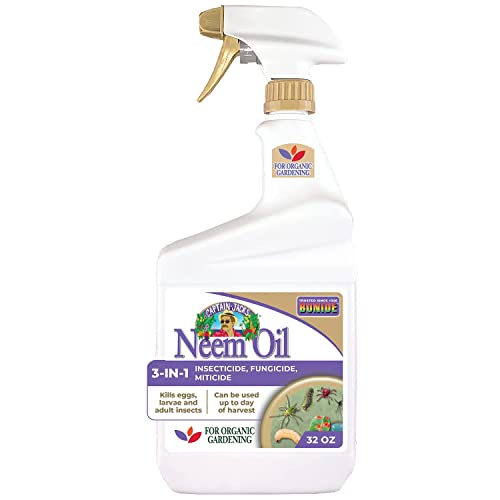
    Bonide Captain Jack's Neem Oil Spray for Plants, 32 oz Ready-to-Use | 3-in-1 Protection Against Insects, Diseases and Mites, For Indoor and Outdoor Plants, Approved for Organic Gardening
    Bonide Captain Jack's Neem Oil Spray for Plants, 32 oz Ready-to-Use | 3-in-1 Protection Against Insects, Diseases and Mites, For Indoor and Outdoor Plants, Approved for Organic Gardening

    Protect your oasis with 3 garden products in 1 from Captain Jack’s; Bonide Captain Jack’s Ready-to-Use Neem Oil spray for plants is a multi-purpose fungicide, insecticide and miticide for your lawn & garden
    MUST READ
    Why Do Guava Trees Produce Fragrant Flowers
    VIEW LATEST PRICE

    As an affiliate, we earn on qualifying purchases.

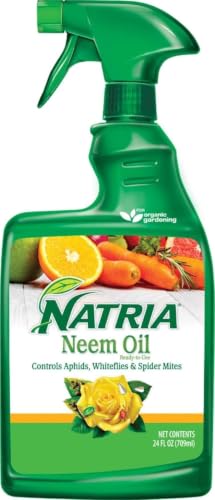
    Natria Neem Oil Spray for Gardening - 24 oz Bottle | Ready-to-Use - Pest Control & Disease Control - Use for Houseplants and Home Gardens
    Natria Neem Oil Spray for Gardening - 24 oz Bottle | Ready-to-Use - Pest Control & Disease Control - Use for Houseplants and Home Gardens

    PLANT DISEASE CONTROL: Natria Neem Oil acts as an insecticide and fungicide in one convenient spray; Ready-to-use trigger sprayer requires no mixing

    VIEW LATEST PRICE

    As an affiliate, we earn on qualifying purchases.

    Chemical Pest Control Measures

    Consider using approved chemical pesticides to effectively control pests on your guava trees while minimizing harm to the environment. When using chemical pest control measures, it's crucial to be aware of toxicity concerns and the potential environmental impact. Always follow the instructions and safety precautions provided by the pesticide manufacturer.

    Choose pesticides specifically formulated for guava trees and the pests you're targeting. Make sure to apply the pesticides at the recommended times and frequencies to prevent overuse and minimize the risk of harming beneficial insects.

    Additionally, consider using alternative chemical control methods such as insecticidal soaps or oils, which are less toxic to the environment. Before using any chemical pesticides, carefully assess the situation and consider consulting with a professional to select the most suitable and environmentally friendly option.

    Recommended Products

    Garden Safe Insecticidal Soap Insect Killer Spray, 32 Oz | For Organic Gardening, Ready-To-Use Spray Controls Aphids, Mealybugs, Mites & Other Listed Insects, Use Indoors & Outdoors
    Garden Safe Insecticidal Soap Insect Killer Spray, 32 Oz | For Organic Gardening, Ready-To-Use Spray Controls Aphids, Mealybugs, Mites & Other Listed Insects, Use Indoors & Outdoors

    READY-TO-USE CONTACT SPRAY: No mixing required. Thoroughly spray insecticide on all plant parts, including the underside of leaves. Pests must be sprayed directly to achieve control
    MUST READ
    Why Do Guava Trees Have Unique Leaf Patterns
    VIEW LATEST PRICE

    As an affiliate, we earn on qualifying purchases.

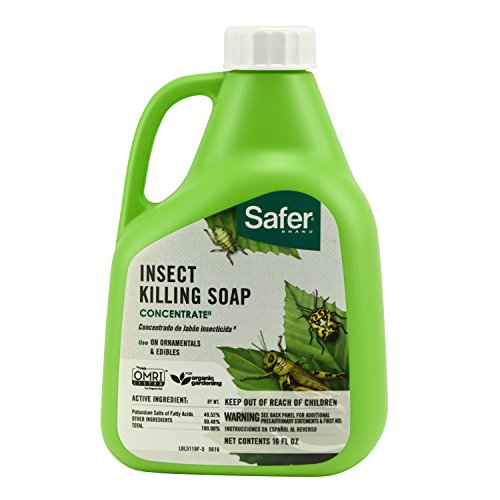
    Safer 5118-6 Insect Killing Soap Concentrate - Insecticidal Soap for Plants - Kills Aphids, Whiteflies, Thrips, Spider Mites, and More - OMRI Listed for Organic Use
    Safer 5118-6 Insect Killing Soap Concentrate - Insecticidal Soap for Plants - Kills Aphids, Whiteflies, Thrips, Spider Mites, and More - OMRI Listed for Organic Use

    GENTLE ON MOST PLANTS - This aphid spray is ideal for use on flowers, herbs, vegetables, houseplants, lawn, tree, shrubs, and more
    VIEW LATEST PRICE

    As an affiliate, we earn on qualifying purchases.

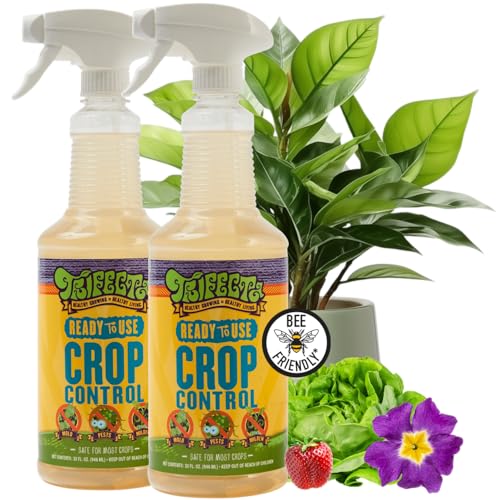
    Trifecta Crop Control Insecticidal Soap | 32 fl oz, 2 Pack | Natural Plant Spray For Spider Mites, Mildew, Mold And Other Common Garden Pest And Fungal Concerns
    Trifecta Crop Control Insecticidal Soap | 32 fl oz, 2 Pack | Natural Plant Spray For Spider Mites, Mildew, Mold And Other Common Garden Pest And Fungal Concerns

    CROP, GARDEN & HOUSEPLANT INSECT CONTROL. Trifecta Crop Control plant based formula targets spider mites, aphids, whiteflies, fungus gnats and other soft bodied pests on indoor and outdoor plants. Safe for edible crops and biodegradable.

    VIEW LATEST PRICE

    As an affiliate, we earn on qualifying purchases.

    Integrated Pest Management for Guava Trees

    To effectively manage pests on your guava trees while minimizing environmental impact, explore integrated pest management strategies that offer sustainable and holistic approaches to controlling pests and promoting tree health.

    • Biological Pest Control
    • Introduce natural predators like ladybugs or lacewings to feed on harmful pests.
    • Release beneficial nematodes into the soil to target specific pests without harming the guava tree.
    • Cultural Pest Management
    • Maintain proper tree nutrition and irrigation to promote tree vitality and resilience against pests.
    • Prune and remove infected plant parts to prevent the spread of pests and diseases.
    • Implement crop rotation and intercropping to disrupt pest life cycles and reduce pest pressure.

    MUST READ
    Is Guava Fruit High in Vitamin C

    Recommended Products

    Pests of Landscape Trees and Shrubs: An Integrated Pest Management Guide
    Pests of Landscape Trees and Shrubs: An Integrated Pest Management Guide

    Used Book in Good Condition

    VIEW LATEST PRICE

    As an affiliate, we earn on qualifying purchases.

    Integrated Pest Management for Avocados
    Integrated Pest Management for Avocados
    VIEW LATEST PRICE

    As an affiliate, we earn on qualifying purchases.

    Pests of Landscape Trees and Shrubs
    Pests of Landscape Trees and Shrubs
    VIEW LATEST PRICE

    As an affiliate, we earn on qualifying purchases.

    Preventing Future Pest Infestations

    Ensuring the health and resilience of your guava trees requires proactive measures to prevent future pest infestations.

    Proper soil management is essential for the overall health of your trees. Well-draining soil, rich in organic matter, can help prevent waterlogging, which makes the trees more susceptible to pests.

    Additionally, regular tree pruning is crucial in preventing future infestations. Pruning helps to remove dead or diseased branches where pests often lay eggs or establish colonies. It also improves air circulation and sunlight exposure, promoting tree vigor and natural defense mechanisms against pests.

    Conclusion

    Incorporating these methods will help you maintain healthy and productive guava trees.

    By identifying pests, using natural and chemical controls, and implementing integrated pest management, you can effectively protect your trees.

    Remember to take preventive measures to avoid future infestations.

    With these techniques, your guava trees can thrive for years to come.

    Happy gardening!

    Share. Facebook Twitter Pinterest LinkedIn Tumblr Email
    lucy smith
    Lucy Smith
    • Website

    Lucy Smith is a highly experienced horticulturist with a passion for fruit tree cultivation. She holds a degree in Horticulture from the University of California, Davis, and has worked in various roles in the industry. With over 10 years of experience, Lucy is dedicated to using eco-friendly methods for sustainable gardening practices.

    Related Posts

    Why Do Guava Trees Produce Edible Seeds

    March 20, 2024

    Can Guava Trees Adapt to Climate Change

    March 20, 2024

    Creating a Wildlife Habitat With Guava Trees

    March 20, 2024

    Where Are Guava Trees Considered Invasive

    March 20, 2024

    Is Guava Tree Pollen Allergenic

    March 20, 2024

    Can Guava Trees Be Used in Traditional Medicine

    March 20, 2024
    Leave A Reply Cancel Reply

    Affiliate Disclosure

    As an Amazon Associate I earn from qualifying purchases.

    Recommended Reading

    Mulberry Trees in a Pot in Iowa: Pro Tips for Healthy Fruit

    Quince Trees in a Pot in Philadelphia, PA (Urban Garden Guide)

    How to Grow Fig Trees in Boise, ID: High Desert Success

    How to Protect Fruit Trees from Birds and Squirrels: Effective Strategies for a Bountiful Harvest

    How to Grow Loquat Trees in Illinois: Midwestern Success Tips

    What Fruit Trees Grow Well in Northern Virginia: A Guide to Choosing and Caring for Your Trees

    Can Tamarind Trees Grow in a Pot in Phoenix, AZ? Heat Protection

    19 Minimal Knitting Stitch Patterns For A Clean Style

    What Is the Fruit of a Palm Tree and Why It Matters for Nutrition and Culture

    Nectarine Trees in a Pot in Kansas: Protection from High Wind

    Fruit Tree Hub

    Fruit Tree Hub is a website dedicated to providing you everything you need to grow fruit trees successfully at in your own yard.

    Contact us at: [email protected]

    - AFFILIATE DISCLOSURE: As an Amazon Associate I earn from qualifying purchases.

    Latest Posts

    18 Coastal Crochet Tops in White and Neutral Shades

    16 Retro Crochet Tops Built Around Multicolor Granny Squares

    16 Modest Crochet Tops Featuring Higher Necklines

    19 Cottagecore Crochet Tops With Square Necklines

    13 Ruffled Crochet Tops With Flared Hems

    19 Lace Crochet Tops Featuring Intricate Openwork

    14 Floral Crochet Tops Inspired by Botanical Motifs

    20 Boho Crochet Halter Tops for Festival Outfits

    Categories
    • Almond Trees
    • Apple Trees
    • Apricot Trees
    • Best Fruit Trees
    • Blackberry
    • Cantaloupe
    • Cherry Trees
    • Christmas Crochet Ideas
    • Crochet Bag Ideas
    • Crochet Blanket Ideas
    • Crochet Dress Ideas
    • Crochet Ideas
    • Crochet Ideas for Beginners
    • Crochet Top Ideas
    • Cucamelon
    • Easy Crochet Ideas
    • Easy Knitting Projects
    • Fall Crochet Ideas
    • Fig Trees
    • Grapefruit Trees
    • Grapes
    • Guava Trees
    • Halloween Crochet Ideas
    • Honeydew
    • Jujube Trees
    • Kiwi
    • Knitting For Beginners
    • Knitting Ideas
    • Knitting Inspiration
    • Lemon Trees
    • Lime Trees
    • Loquat Trees
    • Mango Trees
    • Mulberry Trees
    • Nectarine Trees
    • Olive Trees
    • Orange Trees
    • Papaya Trees
    • Peach Trees
    • Pear Trees
    • Persimmon Trees
    • Planting
    • Plum Trees
    • Pomegranate Trees
    • Quince Trees
    • Raspberry
    • Reviews
    • Small Crochet Ideas
    • Star Fruit Trees
    • Summer Crochet Ideas
    • Tamarind Trees
    • Tangerine Trees
    • Tips and Advice
    • Tools
    • Uncategorized
    • Walnut Trees
    • Winter Crochet Ideas
    © 2026 Fruit Tree Hub
    • Home
    • About Us
    • Contact
    • Privacy Policy
    • Terms and Conditions
    • Disclaimer
    • Editorial Policy
    • Affiliate Disclosure

    Type above and press Enter to search. Press Esc to cancel.