

If you've got jujube trees and winter's coming, it's time to get them ready. Preparing your trees for the cold months ahead is important for their health.
From trimming and adding mulch to protecting them from the cold and pests, there are specific steps you should take.
Whether you're an experienced gardener or just starting out, knowing how to prep your jujube trees for winter is key for their long-term well-being.
Key Takeaways
- Late winter or early spring is the best time for pruning jujube trees to remove dead or diseased branches, improve air circulation and sunlight exposure, enhance tree appearance, and promote better fruit production.
- Apply a 2-4 inch layer of organic mulch around the base of the tree to retain soil moisture, suppress weeds, and provide insulation for the roots.
- Use a balanced fertilizer with higher potassium content in early spring before new growth appears, and regularly monitor soil moisture and adjust mulch as needed.
- Protect jujube trees from cold temperatures by extending mulch outwards to the drip line, wrapping branches with burlap or tree wrap, starting at the bottom and spiraling upwards, and securing the wrapping firmly but not too tightly.
Pruning and Trimming
As winter approaches, it's essential to prepare your jujube trees by pruning and trimming them to promote healthy growth and fruit production in the coming season. Pruning techniques play a crucial role in maintaining tree health and promoting optimal growth.
The best time for pruning jujube trees is during late winter or early spring, while the trees are still dormant. This seasonal timing allows the trees to recover and benefit from the pruning before the growing season begins.
When pruning, focus on removing dead or diseased branches, as well as any crossing or overcrowded branches. This process not only enhances the overall appearance of the tree but also encourages better air circulation and sunlight exposure, ultimately contributing to improved fruit production.
Recommended Products

Precision Cutting: This tree girdling tool is designed for precise ring cutting, making it easier to manage vine plants like grapes and lychees
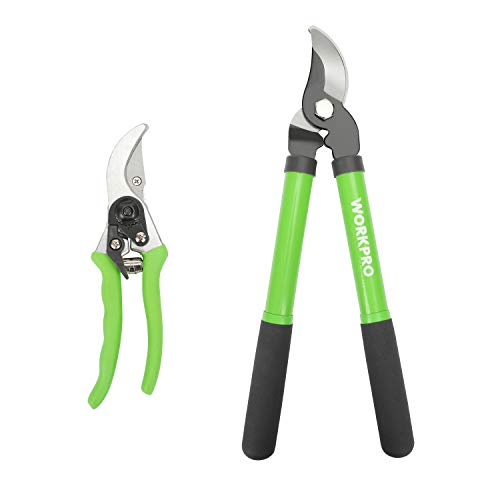
Ideal for pruning flowers and other garden plants

Package Includes: Come with 24 pieces of fruit branch forms stronger branches. which can be used to pull the branches flat, and fruit trees can absorb sunlight, ventilation and fruitfulness.
Mulching and Fertilizing
To ensure optimal growth and fruit production for your jujube trees, mulching and fertilizing are essential practices in maintaining soil moisture and providing necessary nutrients. Proper mulching and fertilizing not only contribute to soil health but also support robust root development. Here's what you need to do:
- Mulching: Apply a 2-4 inch layer of organic mulch such as wood chips or straw around the base of the tree, ensuring it doesn't touch the trunk. This helps retain soil moisture, suppresses weeds, and improves soil structure.
- Fertilizing: Use a balanced fertilizer with a higher potassium content, ideally formulated for fruit trees. Apply the fertilizer in early spring before new growth appears, following the manufacturer's instructions.
- Monitoring: Regularly check the soil moisture and adjust the mulch as needed to maintain optimal conditions for root development.
Protecting From Cold Temperatures
Preparing your jujube trees for winter requires careful attention to protecting them from cold temperatures.
Insulating the roots is crucial for shielding the tree from freezing conditions. Use a thick layer of mulch, such as straw or wood chips, to cover the base of the tree, extending outwards to the drip line. This will help maintain a stable soil temperature and protect the roots from extreme cold.
Additionally, wrapping the branches with burlap or tree wrap can provide an extra layer of protection against frost and wind damage. Begin at the bottom and spiral your way up, ensuring all the branches are covered. Secure the wrapping firmly but not too tightly.
Hydrating and Watering
After protecting your jujube trees from freezing temperatures, ensuring proper hydration and watering is essential for their overall health and winter survival. Here's what you need to do to keep your trees hydrated and healthy:
- Monitor Soil Moisture: Check the soil moisture regularly to ensure it stays consistently moist but not waterlogged. Use a moisture meter or simply stick your finger into the soil about an inch deep to gauge the moisture level.
- Watering Schedule: Water your jujube trees deeply but infrequently during the winter months. Provide a thorough watering once every 2-3 weeks, allowing the water to penetrate the soil and reach the deeper roots.
- Root Hydration: Focus on watering the area around the tree's roots to ensure proper hydration. This will help the tree maintain its health and vigor during the winter months.
Pest Control and Inspection
Inspect your jujube trees regularly for signs of pests and take proactive measures to control any infestations that may threaten their health during the winter months.
Integrated pest management is crucial for maintaining tree health. Look for common pests such as aphids, scale insects, and spider mites. These pests can weaken the trees and leave them vulnerable to winter stress.
Regularly check the leaves, branches, and trunk for any unusual spots, discoloration, or signs of insect activity. If you notice any issues, consider using natural predators, like ladybugs, or horticultural oils to control the pests.
It's important to address pest problems promptly to ensure the trees enter winter in the best possible condition. By staying vigilant and managing pests effectively, you can help your jujube trees thrive even during the colder months.
Recommended Products

INSECT KILLER - This pest control is great for use on aphids, leaf miners, thrips, leafhoppers, spider mites, scales, whiteflies, mealy bugs and many more. It gives poor control for caterpillar & worms. However, it does control eggs of all insects.

Control diseases and insects in your garden with Captain Jack’s Fruit Tree Spray Concentrate! Use on a variety of listed fruits, nuts and citrus plants.

Control diseases and insects in your garden with Captain Jack’s Fruit Tree Spray Concentrate! Use on a variety of listed fruits, nuts and citrus plants.
Conclusion
By taking the time to prune, mulch, protect, hydrate, and control pests, you have set your jujube trees up for a healthy winter.
These simple steps will help your trees thrive through the colder months, ensuring they remain strong and resilient.
As you tend to your jujube trees, remember that the care you provide now will have a lasting impact on their well-being.
With these preparations in place, your jujube trees are ready to weather the winter and emerge vibrant in the spring.
