

Quince trees are popular in the US, with over 200,000 planted yearly.
But have you ever wondered about the allergenic impact of quince tree pollen? If you've experienced unexplained allergy symptoms during quince tree blooming season, you might want to learn more about quince tree pollen allergies.
Stay tuned to discover the truth about quince tree pollen allergies and what you can do about them.
Key Takeaways
- Quince tree pollen has a high allergenicity and can trigger allergic reactions in susceptible individuals.
- Symptoms of a quince tree pollen allergy include respiratory issues, itchy eyes, and nasal congestion.
- Diagnosis involves skin prick tests and blood tests to determine allergic reactions to quince tree pollen.
- Treatment options for quince tree pollen allergies include antihistamines, nasal corticosteroids, allergen immunotherapy, and plant-based remedies.
Allergenic Properties of Quince Tree Pollen
If you suffer from allergies, you may be interested to learn about the allergenic properties of quince tree pollen.
Quince tree pollen has a significant environmental impact due to its high allergenicity, causing discomfort for many individuals. The pollen is known to trigger allergic reactions, and its cross reactivity with other allergens can exacerbate symptoms.
When quince trees release their pollen, it can contribute to respiratory issues and allergic responses in susceptible individuals.
Understanding the allergenic properties of quince tree pollen is crucial for managing allergies and minimizing exposure. It's important to be aware of the potential environmental impact and the possibility of cross reactivity with other allergens to effectively address allergy symptoms associated with quince tree pollen.
Symptoms of Quince Tree Pollen Allergy
Experiencing symptoms of a quince tree pollen allergy can include respiratory issues, itchy eyes, and nasal congestion. During the pollen season, which typically peaks in the spring, individuals sensitive to quince tree pollen may develop these allergic reactions.
Respiratory issues such as coughing, wheezing, and shortness of breath are common manifestations of quince tree pollen allergy. Itchy, watery eyes and frequent sneezing are also prevalent symptoms during this time. Nasal congestion, often accompanied by a runny nose, may further indicate an allergic response to quince tree pollen.
If you suspect a quince tree pollen allergy, seeking allergy testing from a healthcare professional can help confirm the specific allergens triggering your symptoms, enabling you to take appropriate measures to manage and alleviate your allergies.
Diagnosis of Quince Tree Pollen Allergy
During allergy testing, healthcare professionals can pinpoint the specific allergens triggering your symptoms, allowing for tailored management and alleviation of your quince tree pollen allergy.
The diagnosis of quince tree pollen allergy typically involves the following steps:
- Skin prick test: A small amount of quince tree pollen extract is placed on your forearm or back, and then your skin is pricked with a needle. If you're allergic, a raised bump similar to a mosquito bite will appear.
- Blood test: A blood sample is taken to measure the amount of specific antibodies present in your blood in response to quince tree pollen.
- Allergy diary: Keeping a detailed record of your symptoms and activities can help identify patterns and pinpoint the exact cause of your allergy.
Once diagnosed, treatment options such as antihistamines, nasal corticosteroids, and allergen immunotherapy can be explored for effective management.
Management of Quince Tree Pollen Allergies
When managing your quince tree pollen allergy, it's essential to explore treatment options that can effectively alleviate your symptoms and improve your overall quality of life. Here are some plant-based treatments and immunotherapy options to consider:
| Treatment Type | Description | Benefits |
|---|---|---|
| Plant-based remedies | Natural extracts from herbs and fruits | Minimally invasive, may reduce symptoms |
| Allergy shots | Immunotherapy injections to desensitize | Long-term relief, reduced need for medications |
| Sublingual tablets | Dissolvable tablets placed under the tongue | Convenient, effective for specific allergens |
These options, in combination with avoiding exposure to quince tree pollen, can significantly help manage your allergy symptoms. Always consult an allergist to determine the best approach for your specific situation.
Prevention of Quince Tree Pollen Allergies
To build on effectively managing your quince tree pollen allergy, it's crucial to focus on preventive measures that can minimize your exposure to the allergen and reduce the likelihood of experiencing severe symptoms. Here are some practical steps to help you avoid exposure and alleviate symptoms using natural remedies:
- Monitor Pollen Counts: Stay informed about the local pollen forecasts and try to stay indoors when the pollen count is high.
- Use Air Filters: Utilize high-efficiency particulate air (HEPA) filters in your home to reduce pollen particles in the air.
- Natural Remedies: Consider using natural remedies such as saline nasal rinses, local honey, and herbal supplements to alleviate allergy symptoms without relying solely on medication.
Recommended Products

WHY CHOOSE AHAM VERIFIDE AIR PURIFIERS: AHAM (Association of Home Appliance Manufacturers) is an ANSI-accredited organization that sets strict standards for appliance performance. Air purifiers with the AHAM VERIFIDE seal have been independently tested for air cleaning performance and energy efficiency. When you choose an AHAM certified air purifier, you're choosing a product trusted for reliable and effective indoor air quality improvement

𝐖𝐇𝐘 𝐂𝐇𝐎𝐎𝐒𝐄 𝐀𝐇𝐀𝐌 𝐕𝐄𝐑𝐈𝐅𝐈𝐃𝐄 𝐏𝐑𝐎𝐃𝐔𝐂𝐓𝐒: AHAM (Association of Home Appliance Manufacturers) is an ANSI-accredited organization that sets strict standards for appliance performance. Air purifiers with the AHAM VERIFIDE seal have been independently tested for air cleaning performance, safety, and energy efficiency. When you choose an AHAM certified air purifier, you're choosing a product trusted for reliable and effective indoor air quality improvement.
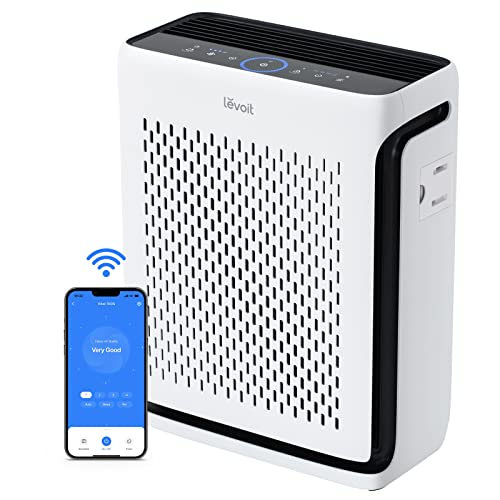
𝐖𝐇𝐘 𝐂𝐇𝐎𝐎𝐒𝐄 𝐀𝐇𝐀𝐌 𝐕𝐄𝐑𝐈𝐅𝐈𝐃𝐄 𝐀𝐈𝐑 𝐏𝐔𝐑𝐈𝐅𝐈𝐄𝐑𝐒: AHAM (Association of Home Appliance Manufacturers) is an ANSI-accredited organization that sets strict standards for appliance performance. Air purifiers with the AHAM VERIFIDE seal have been independently tested for air cleaning performance and energy efficiency. When you choose an AHAM certified air purifier, you're choosing a product trusted for reliable and effective indoor air quality improvement
Conclusion
In summary, quince tree pollen can trigger allergic reactions in some individuals, leading to symptoms like sneezing, a runny nose, and itchy eyes.
If you suspect an allergy, seek medical advice for proper diagnosis and management.
Taking practical steps to reduce exposure, such as keeping windows closed during peak pollen seasons, can help mitigate allergic responses.
Stay proactive in managing your allergies for a healthier, more comfortable life.
