

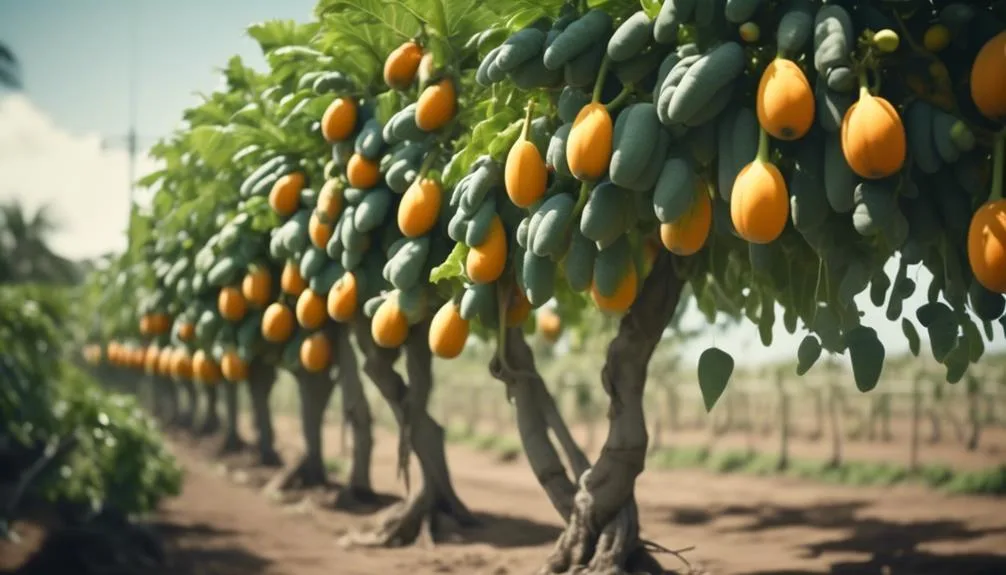
Have you ever thought about training papaya trees to grow flat against a wall or support, like a work of art? While it may seem unusual, it's actually possible.
If you're curious about the practicalities and benefits of this horticultural project, let's explore the feasibility of espaliering papaya trees and the techniques involved.
Key Takeaways
- 'T.R. Hovey' and 'Waimanalo' are recommended papaya varieties for espalier training
- Pruning techniques such as selective pruning, training young shoots, regular maintenance, removing suckers, and fruit thinning are important for papaya espalier
- Espalier technique involves guiding young shoots along a support like a trellis or fence to maximize space and improve fruit production
- Regular pruning, lateral branch development, effective pest management, and prompt addressing of pest issues are crucial for maintaining papaya espalier form and tree health
Suitable Papaya Varieties for Espalier Training
When selecting papaya varieties for espalier training, prioritize compact and sturdy cultivars that are well-suited for the espalier technique, allowing you to create a visually appealing and productive papaya tree.
Look for varieties such as 'T.R. Hovey' or 'Waimanalo' which are known for their manageable size and robust structure, making them ideal candidates for espalier training. These varieties not only lend themselves well to the espalier technique but also boast impressive fruit production, ensuring a bountiful harvest from your trained papaya tree.
Consider the weather conditions in your area as well, as certain papaya varieties may be more resilient to specific climates.
Recommended Products

Sweetest Papaya Variety: This Red Lady Variety is considered to be the sweetest papaya. It has red-orange flesh and a sweet fragrance. (Does not smell bad like other varieties) A dwarf papaya that is Fast and Easy to grow. Under good growing conditions it will fruit within 8 months

Nutritional Benefits: Papaya fruit is widely known for its taste, nutrition and health benefits but not many people are aware of the immensely beneficial Papaya seeds

Pruning Techniques for Papaya Espalier
Mastering the art of pruning techniques is essential to sculpting and maintaining a flourishing papaya espalier in your garden. Proper papaya tree pruning allows you to shape the tree to fit the desired espalier design, optimize fruit production, and maintain a healthy structure. Here are some essential pruning techniques for papaya espalier:
| Pruning Technique | Description |
|---|---|
| Selective Pruning | Remove overcrowded or weak branches to encourage airflow and light penetration. |
| Training Young Shoots | Guide new growth along the espalier framework to maintain the desired shape and form. |
| Regular Maintenance | Trim any excessive or wayward growth to maintain the espalier design and promote fruit-bearing branches. |
| Removing Suckers | Eliminate unwanted shoots that compete with the main branches for nutrients and space along the espalier structure. |
| Fruit Thinning | Thin out excess fruit to prevent overcrowding and promote better fruit development and ripening. |
Recommended Products

Heat-Treated Serrated Saw Blade: 8" saw blade designed for efficient cutting of branches and tough materials, ensuring sharpness and durability.
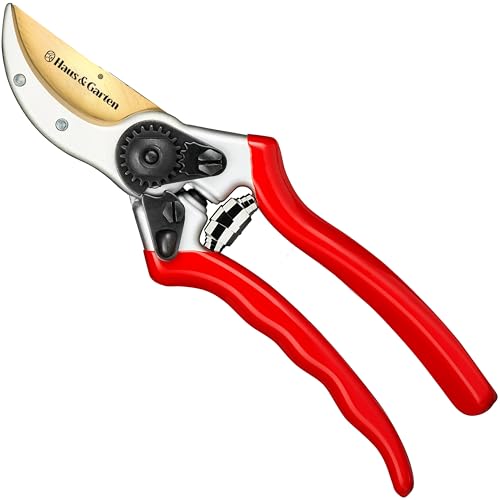
Sharp, Clean Cuts Every Time – Engineered from Japanese grade, high-carbon steel, ClassicPRO bypass pruning shears for gardening stay sharp and make precise cuts that encourage healthy growth and won’t damage your plants

2-In-1 for Versatile Tree Cutting: This 2-in-1 pole pruner with saw combines sharp pruning shears for smaller branches and a durable saw blade for thicker limbs, making it a practical tree pruning tool for various cutting needs. Designed as a manual pole saw and pruner combination, it allows you to trim twigs and branches efficiently while reaching higher tree limbs from the ground, reducing tool changes and improving overall pruning efficiency.
Training Papaya Trees Against a Support
To train papaya trees against a support, carefully guide the young shoots along the framework to encourage the desired espalier design and promote healthy growth.
When choosing a support for your papaya tree, consider using a sturdy trellis, fence, or wire framework.
Training your papaya tree against a support using the espalier technique offers several benefits. It helps maximize limited space, making it ideal for small gardens or urban areas. Additionally, it can improve fruit production by increasing sun exposure and air circulation, leading to better ripening and fewer disease issues. By supporting the tree's branches, it also prevents them from breaking under the weight of fruit.
As the papaya tree matures and becomes established against the support, it creates a visually appealing and space-efficient garden feature.
Recommended Products
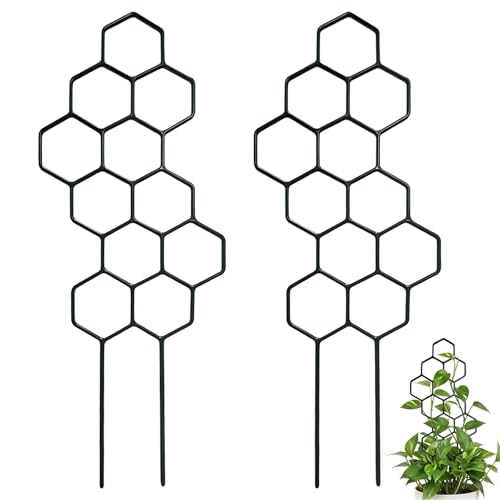
Versatile Plant Support: This pothos plant climber support offers essential growth assistance for various climbing plants including vines, flowers, and vegetables; The indoor plant trellis features a modern honeycomb structure that complements home decor while providing functional climbing surfaces; Suitable for both indoor and outdoor gardening applications
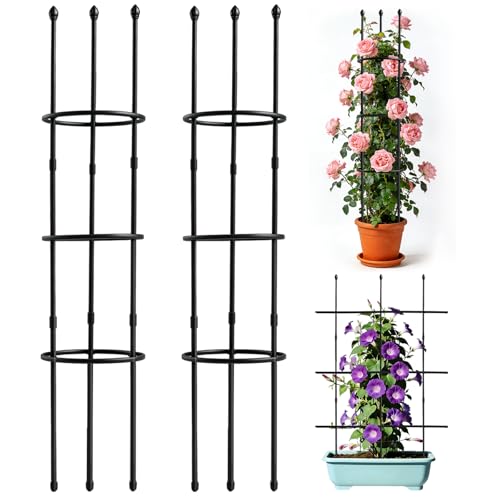
【Two Installation Methods】Our garden trellis can be configured into two types of plant trellis (panel stands and plant cages). You can also combine two or more panels together to form a larger plant stand panel or plant cage. Adjustable plant supports can meet your different plant support needs.
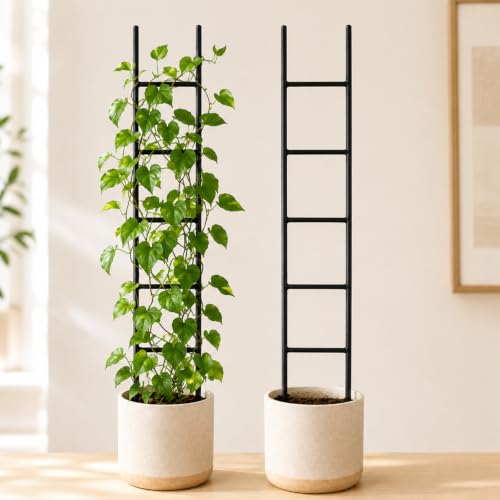
Durable Metal Material: Crafted from high-quality metal, our Indoor Plant Trellis ensures a robust structure that resists bending and deformation. Unlike wooden supports that can crack and plastic ones that may fade under sunlight, this trellis remains stable and reliable for long-term use, making it ideal for both indoor and outdoor settings.
Maintaining Papaya Espalier Form
As you maintain the espalier form of your papaya tree trained against a support, you will continue to enjoy the benefits of maximizing space, promoting healthy growth, and improving fruit production. It's crucial to adhere to a regular pruning schedule to keep your papaya tree in the desired shape and encourage the development of lateral branches. With proper pruning, you can ensure that your tree maintains its espalier form and continues to bear fruit efficiently. Additionally, effective pest management is essential to prevent any infestations that could hinder the growth and productivity of your papaya tree. By staying vigilant and addressing any pest issues promptly, you can maintain the health and vigor of your espalier papaya tree, ensuring a bountiful harvest.
| Pruning Schedule | Pest Management |
|---|---|
| Twice a year, in early spring and late summer | Regularly inspect leaves and fruits for signs of pests |
| Trim new growth to encourage lateral branching | Use organic pest control methods whenever possible |
| Remove any dead or diseased branches | Address any pest infestations promptly to prevent damage |
Benefits of Espaliering Papaya Trees
Maximizing space and promoting healthy growth, espaliering your papaya tree offers numerous benefits. Here are the key advantages to consider:
- Fruit Production: Espaliering encourages better fruit production by directing the tree's energy into fewer, higher quality fruits.
- Space Saving: By training the papaya tree to grow flat against a support, you can efficiently utilize limited space, making it ideal for small gardens or urban settings.
- Aesthetic Appeal: The artful display of the espaliered papaya tree adds a unique and visually pleasing element to your garden or outdoor space.
- Easy Maintenance: The flattened form of the tree makes it easier to access and maintain, including pruning, pest control, and harvesting.
Espaliering your papaya tree not only enhances fruit production but also adds an attractive and manageable feature to your garden.
Conclusion
Incorporating papaya trees into an espalier design can bring practical and aesthetic benefits to your garden. With the right techniques, you can create a space-saving and visually appealing feature while improving fruit harvesting and sunlight exposure.
Consider the possibilities of papaya espalier and the impact it could have on your garden.
