

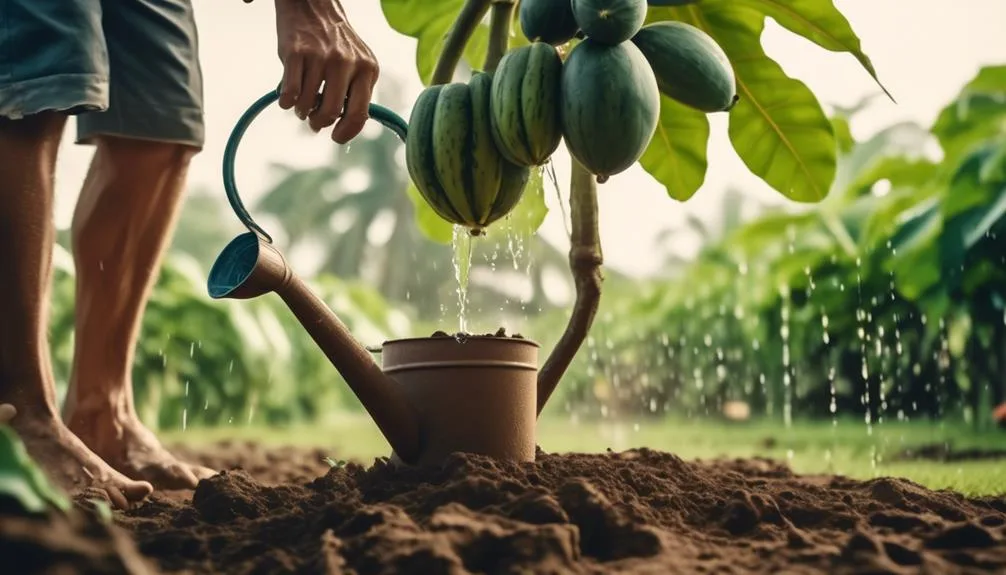
Picturing a papaya grove with its lush, tropical scenery can be enchanting. Watering papaya trees properly is crucial for their health and productivity. But how do you make sure they get just the right amount of water without overdoing it?
Let's explore the best practices for watering papaya trees, from how often to water them to the best techniques. This will help you cultivate thriving and fruitful trees in your own garden.
Key Takeaways
- Regular watering is important for papaya trees, especially during dry periods.
- Overwatering can cause waterlogged soil and root rot, while underwatering can lead to wilting and poor growth.
- Water deeply but infrequently to promote healthy root development and avoid stress on the tree.
- Choose the best time to water, either in the morning or evening, to optimize water usage and prevent fungal diseases.
Watering Frequency
To ensure the health and growth of your papaya trees, it's crucial to maintain a consistent watering schedule that provides adequate moisture without causing waterlogging. Soil moisture is key to root development, so it's essential to strike the right balance.
Papaya trees generally require regular watering, especially during dry periods. However, it's important to avoid overwatering, as this can lead to waterlogged soil, which hinders root growth and may cause root rot. On the other hand, allowing the soil to dry out completely between waterings can stress the tree and negatively impact fruit production.
To maintain optimal soil moisture, water deeply but infrequently, ensuring that the soil has a chance to dry out slightly between waterings. This approach encourages healthy root development and overall tree vigor.
Watering Technique
Maintaining optimal soil moisture is crucial for the health and growth of your papaya trees. The watering technique you use can significantly impact their development. When it comes to properly watering your papaya trees, consider the following techniques:
- Watering at the base: Direct water at the base of the tree to ensure it reaches the root zone.
- Deep watering: Water deeply but infrequently to encourage deep root growth and improve drought tolerance.
- Mulching: Apply a layer of mulch around the base of the tree to help retain soil moisture and regulate soil temperature.
Implementing these watering techniques will promote healthy root development, which is essential for the overall well-being of your papaya trees. By maintaining proper soil moisture through these methods, you can ensure optimal root health and support robust growth.
Recommended Products

Accurate Soil Moisture Detection: The XLUX Soil Moisture Meter can tell you if the soil deep inside your pot or garden is dry, moist or wet; whereas your eyes and fingers can only determine the moisture level of the soil surface. The probe is 5.5 inches (14 cm) longer than regular styles, allowing it to measure the soil moisture at the bottom of larger and deeper flower pots.

Accurate Soil Moisture Detection: The XLUX Soil Moisture Meter can tell you if the soil deep inside your pot or garden is dry, moist or wet; whereas your eyes and fingers can only determine the moisture level of the soil surface. The probe is 5.5 inches (14 cm) longer than regular styles, allowing it to measure the soil moisture at the bottom of larger and deeper flower pots.

Soil Moisture Meter: This single probe soil moisture meter is specially designed for testing the moisture level in the soil, helps you decide whether the plants need water or not, helps to keep plants alive.
Signs of Overwatering
If you notice yellowing or wilting leaves, this could be a sign of overwatering your papaya trees. Overwatering can lead to poor soil drainage, causing the roots to suffocate and develop root rot. When the roots are waterlogged, they're unable to absorb oxygen, leading to a decline in the overall health of the tree.
Additionally, if the soil feels constantly wet or soggy, it's a clear indication of overwatering. To prevent overwatering, ensure that the soil has proper drainage and only water the tree when the top layer of soil feels dry to the touch.
Recommended Products

🛠️ RESCUE ROOTS FROM ROT, SHOCK & OVERWATERING Brown, mushy roots? Yellowing leaves? Soggy soil that never seems to dry? These are classic signs of root rot, transplant shock, or overwatering stress. Our Root Rot Repair formula targets the underlying damage, helping your plant recover quickly and rebuild stronger roots from the ground up.


Supports Transplant & Establishment – Helps encourage root growth during planting and relocation.
Signs of Underwatering
If your papaya trees are showing signs of wilting or drooping leaves, it's likely that they're being underwatered. This can be detrimental to the health of your papaya trees and should be addressed promptly.
Signs of underwatering in papaya trees include:
- Dry and crumbly soil
- Leaf curling or yellowing
- Slow growth and small fruit development
To prevent underwatering, it's important to regularly check the soil moisture around the papaya trees. Ensure that the soil is consistently moist but not waterlogged. Consider using mulch to help retain soil moisture and watering deeply and less frequently to encourage deep root growth.
Monitoring the weather conditions and adjusting watering frequency accordingly can also help prevent underwatering issues.
Recommended Products

Accurate Soil Moisture Detection: The XLUX Soil Moisture Meter detects deep soil moisture in pots or gardens (dry/moist/wet), unlike eyes or fingers that only sense surface soil.

Kindly NOTE: This soil tester can not be applied to test pH value of any other liquid. If the soil is too dry the indicator will not move, and water it before testing.
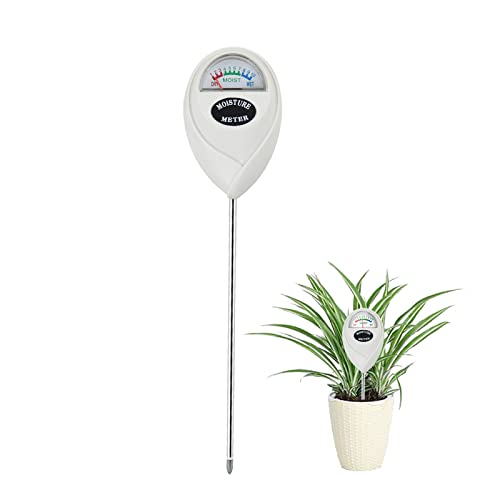
【SAVE YOUR PLANTS】: Over watering can cause problems with your plants or even kill them. This soil moisture meter helps you know the soil is dry, moist or wet.No more over watering!
Best Time to Water
To ensure the optimal health and growth of your papaya trees, understanding the best time to water them is crucial. When it comes to watering your papaya trees, the timing can significantly impact their overall well-being. Here's a simple guide to help you determine the best time to water your papaya trees:
| Best Time to Water | Advantages |
|---|---|
| Morning watering | – Allows foliage to dry during the day, reducing the risk of fungal diseases. |
| Evening watering | – Provides moisture during the cooler night hours, reducing water loss through evaporation. |
Conclusion
Incorporating these watering practices will help your papaya trees thrive and bear delicious fruit for years to come.
Remember to water deeply but infrequently, and stay vigilant for signs of overwatering or underwatering.
By doing so, you can ensure the health and productivity of your papaya trees.
Happy gardening!
