
Close Menu
    Fruit Tree Hub
    • Home
    • Apple Trees
    • Lemon Trees
    • Mango Trees
    • Orange Trees
    • More Trees
      • Best Fruit Trees
      • Apricot Trees
      • Cherry Trees
      • Fig Trees
      • Lime Trees
      • Mulberry Trees
      • Peach Trees
      • Pear Trees
      • Plum Trees
      • Pomegranate Trees
    • Tips and Advice
      • Tools
    • About Us
      • Contact
      • Privacy Policy
    Fruit Tree Hub
    Home»Fruit Trees»Almond Trees»Is Almond Tree Care Labor Intensive
    Almond Trees

    Is Almond Tree Care Labor Intensive

    Lucy SmithBy Lucy SmithJanuary 26, 20244 Mins Read
    Share Facebook Twitter Pinterest WhatsApp Email
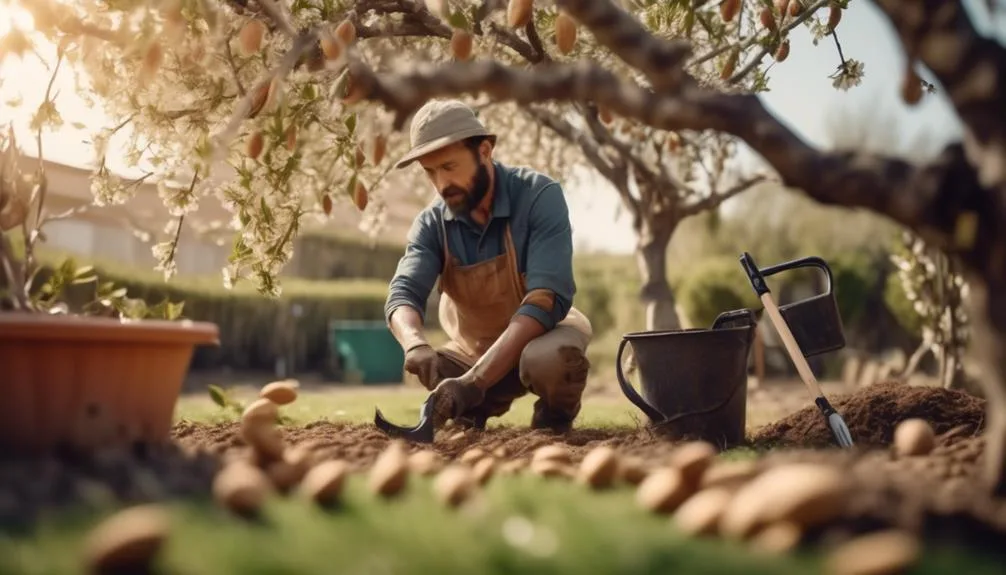
    almond tree care demands labor
    Share
    Facebook Twitter LinkedIn Pinterest Telegram Email

    Considering an almond orchard? Think twice about the work involved. Caring for almond trees demands a lot of effort, from pruning and training to managing irrigation and pest control.

    Contents show
    1 Key Takeaways
    2 Pruning and Training
    3 Irrigation and Fertilization
    4 Pest and Disease Management
    5 Harvesting and Processing
    6 Overall Labor Requirements
    7 Conclusion

    But is it really as labor-intensive as it seems? Let's explore the ins and outs of almond tree care to see if the hard work pays off.

    Key Takeaways

    • Pruning and training are essential for establishing a strong and balanced framework for almond tree growth and nut production.
    • Maintaining optimal soil moisture and providing the right balance of nutrients through irrigation and fertilization are crucial for tree health and productivity.
    • Implementing proactive measures, such as integrated pest and disease management strategies, attracting natural predators, and planting disease-resistant varieties, is necessary to manage pests and diseases effectively.
    • Harvesting almonds at the right time, processing them efficiently, and implementing rigorous quality control measures are vital for producing a marketable product.

    Pruning and Training

    When pruning and training your almond tree, it's essential to establish a strong and balanced framework to support healthy growth and abundant nut production.

    Proper almond tree training involves shaping the tree from a young age to encourage strong, well-spaced branches and an open canopy.

    Begin by pruning the almond tree during its dormant season, typically in late winter or early spring, to remove any dead or diseased wood. This will help improve air circulation and reduce the risk of pests and diseases.

    Additionally, consider the tree's growth habits when shaping it, ensuring that the central leader is well-supported and the scaffold branches are evenly spaced.

    MUST READ
    How to Propagate Almond Trees From Seeds

    Recommended Products

    Ultra Sharp Japanese Steel Pruning Shears - Cuts 3X Easier, Weak Hand Arthritis Clippers, Rust-Resistant Titanium Coated Pruner, Effortlessly Cuts 3/4 Inch
    Ultra Sharp Japanese Steel Pruning Shears - Cuts 3X Easier, Weak Hand Arthritis Clippers, Rust-Resistant Titanium Coated Pruner, Effortlessly Cuts 3/4 Inch

    ULTRA SHARP - Much less effort to cut branches with our pruning shears. Crafted from premium SK5 steel with titanium coating, our garden scissors and garden clippers boast exceptional durability and sharpness. A perfect pruning shears for gardening and a must-have garden tool, hedge clippers pruners for gardening

    VIEW LATEST PRICE

    As an affiliate, we earn on qualifying purchases.

    2-Pack Stainless Steel Gardening Scissors, Pruning Shears and Clippers for Gardening
    2-Pack Stainless Steel Gardening Scissors, Pruning Shears and Clippers for Gardening

    DUAL CUTTING POWER: VERSATILE PRUNING COMBO --- With both Pruning Shears and Pruning Snip, this combo delivers unmatched versatility. Whether you're delicately trimming flowers and shrubs, tackling thicker tree branches, or tending to your vegetable and fruit garden, our combo pack excels in all areas. They're also perfect for landscaping projects and maintaining the health and appearance of indoor plants. With this pack, you have a versatile tool that simplifies your gardening tasks.

    VIEW LATEST PRICE

    As an affiliate, we earn on qualifying purchases.

    Fiskars SoftGrip Bypass Pruning Shears, 5/8” Cut Capacity Garden Clippers | Right and Left-Handed Use, Steel Blade with Low Friction Coating, Rust Resistant Garden Clippers for Stems & Branches
    Fiskars SoftGrip Bypass Pruning Shears, 5/8” Cut Capacity Garden Clippers | Right and Left-Handed Use, Steel Blade with Low Friction Coating, Rust Resistant Garden Clippers for Stems & Branches

    AMBIDEXTROUS DESIGN: Pruner shape is designed for both right and left-handed use while pruning indoor & outdoor plants such as shrubs, ornamental trees, vines, & flowers like roses; SoftGrip handle reduces hand fatigue & enhances comfort and control

    VIEW LATEST PRICE

    As an affiliate, we earn on qualifying purchases.

    MUST READ
    Can Almond Trees Be Trained for Espalier

    Irrigation and Fertilization

    To ensure the continued health and productivity of your almond tree, it's crucial to implement proper irrigation and fertilization practices.

    Maintaining optimal soil moisture is essential for the well-being of your tree. Almond trees require regular watering, especially during the crucial stages of nut development. Adequate irrigation helps prevent stress and ensures the tree can thrive.

    Additionally, nutrient application is vital for the tree's growth and almond production. Providing the right balance of nutrients, including nitrogen, phosphorus, and potassium, supports healthy foliage, blossoms, and fruit. You should monitor the soil to determine the need for fertilization and apply the appropriate nutrients accordingly.

    Recommended Products

    Miracle-Gro Fruit & Citrus Plant Food Spikes, 12 Spikes, 3 lb. | 10-15-15 Easy-to-Use Nutrient Spikes for Fruit and Citrus Trees, Plant Fertilizer
    Miracle-Gro Fruit & Citrus Plant Food Spikes, 12 Spikes, 3 lb. | 10-15-15 Easy-to-Use Nutrient Spikes for Fruit and Citrus Trees, Plant Fertilizer

    FORMULATED FOR CITRUS AND FRUIT TREES: Use these citrus fertilizer spikes on apple, orange, lemon, lime, and avocado trees; this formula is also great for feeding palm trees

    VIEW LATEST PRICE

    As an affiliate, we earn on qualifying purchases.

    Banana Tree Fertilizer, Liquid Plant Food for Healthy Growth, 8 oz | Indoor or Outdoor Use, For All Banana Tree Varieties, Helps Reduce Leaf Yellowing, Kelp-Enriched Formula, Easy Mix & Feed
    Banana Tree Fertilizer, Liquid Plant Food for Healthy Growth, 8 oz | Indoor or Outdoor Use, For All Banana Tree Varieties, Helps Reduce Leaf Yellowing, Kelp-Enriched Formula, Easy Mix & Feed

    Made for Banana Trees – Specially formulated banana fertilizer designed to support the nutrient needs of banana plants.

    VIEW LATEST PRICE

    As an affiliate, we earn on qualifying purchases.

    Farmer's Secret Fruit Tree Booster Fertilizer - Super Concentrated and Phosphorus Rich - Formulated for All Fruit Trees Including Peach, Banana, and Apple (8oz)
    Farmer's Secret Fruit Tree Booster Fertilizer - Super Concentrated and Phosphorus Rich - Formulated for All Fruit Trees Including Peach, Banana, and Apple (8oz)

    Let our professionally formulated plant food help your fruit tree grow healthy, strong AND abundantly producing

    MUST READ
    How to Choose the Right Almond Tree Variety
    VIEW LATEST PRICE

    As an affiliate, we earn on qualifying purchases.

    Pest and Disease Management

    Implementing proactive measures to manage pests and diseases is essential for safeguarding the health and productivity of your almond tree. Integrated pest and disease management involves utilizing a combination of strategies to minimize the use of chemical pesticides while effectively controlling harmful organisms. One approach is to encourage the presence of natural predators that feed on pests, such as ladybugs and lacewings. Additionally, planting disease-resistant varieties can significantly reduce the risk of infections. Sustainable pest control methods, like maintaining proper sanitation and employing physical barriers, also play a crucial role in preventing infestations. Here's a table summarizing some key strategies for pest and disease management:

    StrategyDescriptionBenefits
    Natural PredatorsAttracting beneficial insects to control pest populationsReduces reliance on pesticides
    Disease-Resistant VarietiesPlanting almond trees with natural resistance to diseasesDecreases susceptibility to infections
    Sustainable Pest ControlUtilizing cultural and physical practices for pest controlMinimizes environmental impact

    Harvesting and Processing

    Safeguarding the health and productivity of your almond tree through proactive pest and disease management sets the stage for a successful transition to the critical processes of harvesting and processing. After all the hard work of nurturing your almond tree, it's essential to handle the post-harvest phase with care to ensure the best nut quality.

    Here are some key points to consider for post-harvest handling:

    1. Timing: Harvest almonds when the hulls begin to split, carefully monitoring for the optimal time.
    2. Processing: Efficiently process the harvested almonds by promptly removing the hulls and drying the nuts to the appropriate moisture level.
    3. Quality Control: Implement rigorous quality control measures to maintain nut quality and ensure a marketable product.
    MUST READ
    How to Treat Common Almond Tree Diseases

    Almond tree care doesn't end at harvest; meticulous post-harvest handling is vital for preserving the fruits of your labor.

    Overall Labor Requirements

    Ensuring efficient management of overall labor requirements is crucial for sustaining the health and productivity of your almond tree throughout the growing season. Proper nutrient management and soil health are essential for the tree's overall well-being. Consider the following labor requirements:

    Labor TaskTime RequirementFrequency
    Pruning4-6 hoursAnnually
    Fertilization2-3 hoursBi-annually
    Irrigation Management1-2 hoursWeekly

    These tasks are vital for maintaining the health and productivity of your almond tree. Pruning ensures proper growth and fruit production, while regular fertilization supports nutrient management. Additionally, efficient irrigation management is crucial for maintaining soil health. By staying on top of these labor requirements, you can foster a healthy and fruitful almond tree.

    Conclusion

    In caring for almond trees, a degree of labor is required, but the resulting rewards are undeniably worthwhile.

    From pruning and irrigation to managing pests and harvesting, each task contributes to the tree's health and abundant nut production.

    While the process may be labor intensive, the delicious and nutritious almonds make it all worthwhile, showcasing the value of dedication in nurturing nature's bounty.

    Share. Facebook Twitter Pinterest LinkedIn Tumblr Email
    lucy smith
    Lucy Smith
    • Website

    Lucy Smith is a highly experienced horticulturist with a passion for fruit tree cultivation. She holds a degree in Horticulture from the University of California, Davis, and has worked in various roles in the industry. With over 10 years of experience, Lucy is dedicated to using eco-friendly methods for sustainable gardening practices.

    Related Posts

    Why Do Almond Trees Produce Bitter Almonds

    January 28, 2024

    Can Almond Trees Adapt to Climate Change

    January 28, 2024

    Creating a Wildlife Habitat With Almond Trees

    January 28, 2024

    Where Are Almond Trees Considered Invasive

    January 28, 2024

    Is Almond Tree Pollen Allergenic

    January 27, 2024

    Can Almond Trees Be Used in Traditional Medicine

    January 27, 2024
    Leave A Reply Cancel Reply

    Affiliate Disclosure

    As an Amazon Associate I earn from qualifying purchases.

    Recommended Reading

    Understanding Alcohol Content: Does Fever-Tree Sparkling Pink Grapefruit Contain Alcohol?

    Growing Grapefruit Trees from Seeds: A Complete Guide for Successful Cultivation

    What Fruit Trees Grow Best in Minnesota for a Bountiful Backyard Orchard

    Can You Transplant Fruit Trees in Summer: Essential Tips for Success and Care

    Can Grapefruit Trees Grow in Albuquerque, NM? High Plains

    Best Fruit Trees for Colorado Front Range: Choosing the Ideal Varieties for Your Thriving Orchard

    Are Palm Tree Fruit Edible? Exploring Their Nutritional Benefits and Culinary Uses

    Growing Banana Trees in Maine (Indoor and Winter Care)

    Do I Need Two Apple Trees to Get Fruit: Understanding Pollination and Tree Selection

    When Do Mango Trees Fruit: A Guide to Maximizing Your Mango Harvest Each Season

    Fruit Tree Hub

    Fruit Tree Hub is a website dedicated to providing you everything you need to grow fruit trees successfully at in your own yard.

    Contact us at: [email protected]

    - AFFILIATE DISCLOSURE: As an Amazon Associate I earn from qualifying purchases.

    Latest Posts

    18 Coastal Crochet Tops in White and Neutral Shades

    16 Retro Crochet Tops Built Around Multicolor Granny Squares

    16 Modest Crochet Tops Featuring Higher Necklines

    19 Cottagecore Crochet Tops With Square Necklines

    13 Ruffled Crochet Tops With Flared Hems

    19 Lace Crochet Tops Featuring Intricate Openwork

    14 Floral Crochet Tops Inspired by Botanical Motifs

    20 Boho Crochet Halter Tops for Festival Outfits

    Categories
    • Almond Trees
    • Apple Trees
    • Apricot Trees
    • Best Fruit Trees
    • Blackberry
    • Cantaloupe
    • Cherry Trees
    • Christmas Crochet Ideas
    • Crochet Bag Ideas
    • Crochet Blanket Ideas
    • Crochet Dress Ideas
    • Crochet Ideas
    • Crochet Ideas for Beginners
    • Crochet Top Ideas
    • Cucamelon
    • Easy Crochet Ideas
    • Easy Knitting Projects
    • Fall Crochet Ideas
    • Fig Trees
    • Grapefruit Trees
    • Grapes
    • Guava Trees
    • Halloween Crochet Ideas
    • Honeydew
    • Jujube Trees
    • Kiwi
    • Knitting For Beginners
    • Knitting Ideas
    • Knitting Inspiration
    • Lemon Trees
    • Lime Trees
    • Loquat Trees
    • Mango Trees
    • Mulberry Trees
    • Nectarine Trees
    • Olive Trees
    • Orange Trees
    • Papaya Trees
    • Peach Trees
    • Pear Trees
    • Persimmon Trees
    • Planting
    • Plum Trees
    • Pomegranate Trees
    • Quince Trees
    • Raspberry
    • Reviews
    • Small Crochet Ideas
    • Star Fruit Trees
    • Summer Crochet Ideas
    • Tamarind Trees
    • Tangerine Trees
    • Tips and Advice
    • Tools
    • Uncategorized
    • Walnut Trees
    • Winter Crochet Ideas
    © 2026 Fruit Tree Hub
    • Home
    • About Us
    • Contact
    • Privacy Policy
    • Terms and Conditions
    • Disclaimer
    • Editorial Policy
    • Affiliate Disclosure

    Type above and press Enter to search. Press Esc to cancel.