
Close Menu
    Fruit Tree Hub
    • Home
    • Apple Trees
    • Lemon Trees
    • Mango Trees
    • Orange Trees
    • More Trees
      • Best Fruit Trees
      • Apricot Trees
      • Cherry Trees
      • Fig Trees
      • Lime Trees
      • Mulberry Trees
      • Peach Trees
      • Pear Trees
      • Plum Trees
      • Pomegranate Trees
    • Tips and Advice
      • Tools
    • About Us
      • Contact
      • Privacy Policy
    Fruit Tree Hub
    Home»Fruit Trees»Almond Trees»How to Manage Almond Tree Diseases Organically
    Almond Trees

    How to Manage Almond Tree Diseases Organically

    Lucy SmithBy Lucy SmithJanuary 26, 20244 Mins Read
    Share Facebook Twitter Pinterest WhatsApp Email
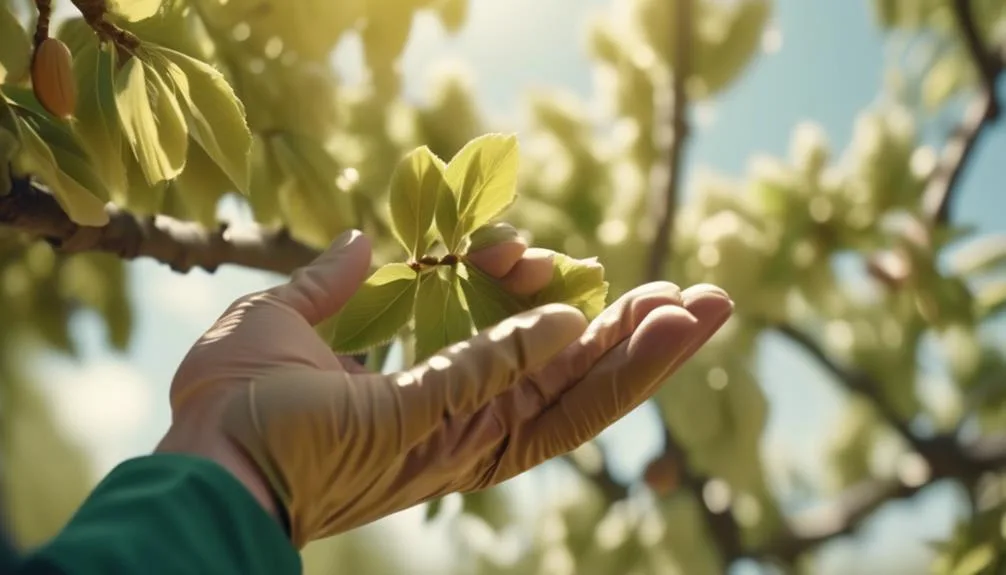
    organic management of almond tree diseases
    Share
    Facebook Twitter LinkedIn Pinterest Telegram Email

    If you see strange spots on your almond tree leaves, they might have a disease. Managing these diseases without chemicals can be tough but worth it. By using natural methods and keeping your trees healthy, you can reduce the impact of diseases.

    Contents show
    1 Key Takeaways
    2 Identifying Common Almond Tree Diseases
    3 Implementing Cultural Control Measures
    4 Utilizing Organic Disease Management Products
    5 Maintaining Tree Health and Vigor
    6 Monitoring and Preventing Future Diseases
    7 Conclusion

    But how do you spot these diseases and protect your trees? Let's find out how to manage almond tree diseases naturally and keep your orchard thriving.

    Key Takeaways

    • Early detection is crucial for preventing the spread of almond tree diseases.
    • Cultural control measures such as monitoring soil moisture, implementing integrated pest management, and ensuring proper air circulation can help manage diseases.
    • Organic disease management products like neem oil and copper-based fungicides can effectively control powdery mildew and bacterial leaf spot.
    • Maintaining tree health and vigor through proper pollination, soil testing, adequate water supply, and nutrient management can promote disease resistance.

    Identifying Common Almond Tree Diseases

    When inspecting your almond trees for diseases, it's essential to be able to identify common symptoms to effectively manage any potential issues. Early detection is key to preventing the spread of diseases and ensuring the health of your almond trees.

    Keep an eye out for signs of common almond tree diseases such as powdery mildew, leaf spot, and crown gall. Powdery mildew presents as a white, powdery substance on the leaves and can be managed through proper air circulation and the use of resistant varieties.

    MUST READ
    Where to Find Wild Almond Trees

    Leaf spot appears as dark spots on the leaves and can be managed through good sanitation practices. Crown gall causes swollen areas on the tree trunk and can be prevented by using disease-free planting material.

    Implementing Cultural Control Measures

    To effectively manage common almond tree diseases such as powdery mildew and leaf spot, it's important to implement cultural control measures that can help prevent and minimize their impact on your trees. Here are some practical cultural control measures to consider:

    1. Soil Management: Regularly monitor soil moisture levels and ensure proper drainage to prevent waterlogged conditions that can contribute to disease development.
    2. Pest Control: Implement integrated pest management techniques to control insect pests that can spread diseases. This can include using beneficial insects, deploying traps, and practicing good sanitation to reduce pest populations.
    3. Proper Pruning: Maintain good air circulation and sunlight penetration by pruning your almond trees, which can help reduce the risk of disease development.
    4. Crop Rotation: Consider rotating your almond trees with non-host plants to disrupt disease cycles and reduce pathogen build-up in the soil.

    Recommended Products
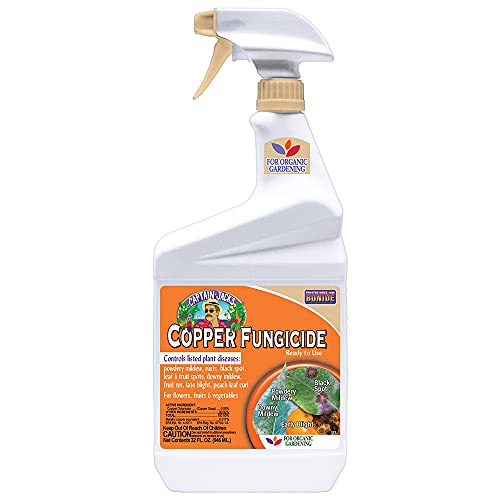
    Bonide Captain Jack's Copper Fungicide, 32 oz Ready-to-Use Spray for Organic Gardening, Controls Common Diseases, for Fruit Trees, Vegetables & Ornamentals, 1 lb
    Bonide Captain Jack's Copper Fungicide, 32 oz Ready-to-Use Spray for Organic Gardening, Controls Common Diseases, for Fruit Trees, Vegetables & Ornamentals, 1 lb

    Control fungus and disease in your garden with Captain Jack’s ready-to-use Liquid Copper Fungicide!

    VIEW LATEST PRICE

    As an affiliate, we earn on qualifying purchases.

    Bonide Captain Jack Copper Fungicide 16 oz Concentrated Plant Disease Control Solution for Organic Gardening
    Bonide Captain Jack Copper Fungicide 16 oz Concentrated Plant Disease Control Solution for Organic Gardening

    Control fungus and disease in your garden with Captain Jack’s Liquid Copper Fungicide Concentrate!

    MUST READ
    Where to Plant Almond Trees for Best Nut Production
    VIEW LATEST PRICE

    As an affiliate, we earn on qualifying purchases.

    Bonide Captain Jack's Fruit Tree Spray, 32 oz Concentrate
    Bonide Captain Jack's Fruit Tree Spray, 32 oz Concentrate

    Control diseases and insects in your garden with Captain Jack’s Fruit Tree Spray Concentrate! Use on a variety of listed fruits, nuts and citrus plants.

    VIEW LATEST PRICE

    As an affiliate, we earn on qualifying purchases.

    Utilizing Organic Disease Management Products

    Consider incorporating organic disease management products into your almond tree care routine to effectively combat common diseases while maintaining an environmentally friendly approach.

    Organic sprays, such as neem oil and copper-based fungicides, can be used to manage diseases like powdery mildew and bacterial leaf spot. These products work by targeting the pathogens while being less harmful to beneficial insects and the surrounding environment.

    Additionally, selecting almond tree varieties with natural disease resistance can significantly reduce the need for disease management products. When purchasing new trees or planning for future plantings, seek out disease-resistant varieties to minimize the risk of infections.

    Recommended Products
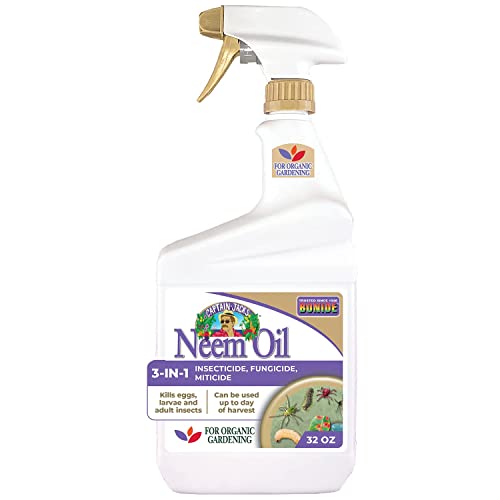
    Bonide Captain Jack's Neem Oil, 32 oz Ready-to-Use Spray, Multi-Purpose Fungicide, Insecticide and Miticide for Organic Gardening
    Bonide Captain Jack's Neem Oil, 32 oz Ready-to-Use Spray, Multi-Purpose Fungicide, Insecticide and Miticide for Organic Gardening

    MULTI-PURPOSE BUG KILLER - Bonide Neem Oil is a perfect pest control solution for any garden dealing with mites, flies, mildew, and more. This product is a three-in-one fungicide, miticide, and insecticide.

    VIEW LATEST PRICE

    As an affiliate, we earn on qualifying purchases.

    Bonide Captain Jack's Fruit Tree Spray, 16 oz Concentrate
    Bonide Captain Jack's Fruit Tree Spray, 16 oz Concentrate

    Control diseases and insects in your garden with Captain Jack’s Fruit Tree Spray Concentrate! Use on a variety of listed fruits, nuts and citrus plants.

    MUST READ
    How to Improve Soil for Almond Trees
    VIEW LATEST PRICE

    As an affiliate, we earn on qualifying purchases.

    Bonide Captain Jack's Copper Fungicide, 32 oz Ready-to-Spray Disease Control Solution for Organic Gardening, Controls Leaf Curl
    Bonide Captain Jack's Copper Fungicide, 32 oz Ready-to-Spray Disease Control Solution for Organic Gardening, Controls Leaf Curl

    Control fungus and disease in your garden with Captain Jack’s ready-to-spray Liquid Copper Fungicide!

    VIEW LATEST PRICE

    As an affiliate, we earn on qualifying purchases.

    Maintaining Tree Health and Vigor

    In keeping your almond trees disease-free, the next crucial step involves ensuring their health and vigor. To maintain tree health and vigor, consider the following:

    1. Promoting Pollination: Encourage pollinators like bees by planting pollinator-friendly flowers and avoiding the use of pesticides during bloom.
    2. Soil Fertility: Regularly test your soil and amend it with organic matter, such as compost or well-rotted manure, to ensure optimal fertility for your almond trees.
    3. Proper Watering: Provide consistent and adequate water to your trees, especially during dry spells, to support their overall health and vigor.
    4. Nutrient Management: Monitor nutrient levels and consider organic fertilizers to supplement any deficiencies and promote robust growth.

    Monitoring and Preventing Future Diseases

    Maintain a watchful eye on your almond trees and implement proactive measures to prevent future diseases.

    Regularly inspect your trees for signs of pests and diseases such as leaf discoloration, wilting, or unusual growths. Consider using natural pest control methods like introducing beneficial insects or applying neem oil to deter pests without harming beneficial organisms.

    Additionally, prioritize soil health by ensuring proper drainage, maintaining balanced pH levels, and incorporating organic matter to promote beneficial microbial activity. Healthy soil fosters strong, disease-resistant trees.

    MUST READ
    Why Do Almond Trees Have Hard Shells

    Implementing good cultural practices, such as proper pruning and adequate spacing between trees, also plays a vital role in preventing future diseases.

    Conclusion

    Incorporating these organic management strategies and staying vigilant will help you maintain the health and productivity of your almond trees.

    By identifying, preventing, and addressing diseases naturally, you can ensure a bountiful harvest of delicious and nutritious almonds for years to come.

    Keep nurturing your trees, and enjoy the satisfaction of a thriving orchard.

    Share. Facebook Twitter Pinterest LinkedIn Tumblr Email
    lucy smith
    Lucy Smith
    • Website

    Lucy Smith is a highly experienced horticulturist with a passion for fruit tree cultivation. She holds a degree in Horticulture from the University of California, Davis, and has worked in various roles in the industry. With over 10 years of experience, Lucy is dedicated to using eco-friendly methods for sustainable gardening practices.

    Related Posts

    Why Do Almond Trees Produce Bitter Almonds

    January 28, 2024

    Can Almond Trees Adapt to Climate Change

    January 28, 2024

    Creating a Wildlife Habitat With Almond Trees

    January 28, 2024

    Where Are Almond Trees Considered Invasive

    January 28, 2024

    Is Almond Tree Pollen Allergenic

    January 27, 2024

    Can Almond Trees Be Used in Traditional Medicine

    January 27, 2024
    Leave A Reply Cancel Reply

    Affiliate Disclosure

    As an Amazon Associate I earn from qualifying purchases.

    Recommended Reading

    How to Make Grape Jelly from Grapes with Seeds: A Complete Guide to Homemade Delight

    Tamarind Trees in Arizona: Heat-Tolerant Planting Strategies

    Properly Store Blackberries to Keep Them Fresh: Tips and Mistakes to Avoid

    What To Put On Fruit Trees After Pruning

    How to Amend Clay Soil for Fruit Trees to Boost Growth and Harvest Yields

    What Is the Next Island After Great Tree Blox Fruits: Exploring Sky Islands and Their Challenges

    Growing a Nectarine Tree from Seed: Benefits, Tips & Rewards

    What is a Miracle Fruit Tree and How to Grow This Unique Flavor-Altering Plant

    Ultimate Guide: How to Care for Blackberries and Ensure a Bountiful Harvest

    Why Doesn’t My Plum Tree Fruit: Common Reasons and Solutions for a Bountiful Harvest

    Fruit Tree Hub

    Fruit Tree Hub is a website dedicated to providing you everything you need to grow fruit trees successfully at in your own yard.

    Contact us at: [email protected]

    - AFFILIATE DISCLOSURE: As an Amazon Associate I earn from qualifying purchases.

    Latest Posts

    21 Colorful Halloween Crochet Motifs Featuring Pumpkins Bats and Black Cats

    23 Smart Halloween Crochet Ideas to Sell as Keychains and Coasters

    22 Fun Halloween Crochet Ideas Built Around Treat Bags and Hats

    23 Adorable Halloween Amigurumi Ideas Featuring Ghosts and Black Cats

    22 Compact Halloween Crochet Decorations for Shelves and Small Spaces

    19 Practical Halloween Crochet Decorations Designed for Tabletop Displays

    24 Cozy Halloween Crochet Decor Ideas Built Around Mantel Garlands

    19 Playful Kawaii Halloween Crochet Ideas Featuring Smiling Spooky Characters

    Categories
    • Almond Trees
    • Apple Trees
    • Apricot Trees
    • Best Fruit Trees
    • Blackberry
    • Cantaloupe
    • Cherry Trees
    • Crochet Ideas
    • Crochet Ideas for Beginners
    • Cucamelon
    • Easy Crochet Ideas
    • Easy Knitting Projects
    • Fall Crochet Ideas
    • Fig Trees
    • Grapefruit Trees
    • Grapes
    • Guava Trees
    • Halloween Crochet Ideas
    • Honeydew
    • Jujube Trees
    • Kiwi
    • Knitting For Beginners
    • Knitting Ideas
    • Knitting Inspiration
    • Lemon Trees
    • Lime Trees
    • Loquat Trees
    • Mango Trees
    • Mulberry Trees
    • Nectarine Trees
    • Olive Trees
    • Orange Trees
    • Papaya Trees
    • Peach Trees
    • Pear Trees
    • Persimmon Trees
    • Planting
    • Plum Trees
    • Pomegranate Trees
    • Quince Trees
    • Raspberry
    • Reviews
    • Small Crochet Ideas
    • Star Fruit Trees
    • Summer Crochet Ideas
    • Tamarind Trees
    • Tangerine Trees
    • Tips and Advice
    • Tools
    • Uncategorized
    • Walnut Trees
    © 2026 Fruit Tree Hub
    • Home
    • About Us
    • Contact
    • Privacy Policy
    • Terms and Conditions
    • Disclaimer
    • Editorial Policy
    • Affiliate Disclosure

    Type above and press Enter to search. Press Esc to cancel.