


Transform your backyard into a lively sanctuary by planting olive trees to create a wildlife habitat. The rustling leaves, chirping birds, and small mammals will bring your outdoor space to life.
It's more than just planting trees; it's about building a sustainable environment for plants and animals. But how do olive trees help in this balance, and what steps can you take to make your wildlife habitat successful?
Key Takeaways
- Select olive tree varieties that are well-suited to your climate and soil conditions to ensure successful growth and fruit production.
- Implement proper pruning techniques for optimal fruit production and tree health.
- Attract wildlife to your olive grove by creating a diverse environment with native plants, wildflowers, and shrubs, as well as providing essential resources like bird feeders and nesting boxes.
- Promote a sustainable ecosystem by encouraging biodiversity, using natural pest control methods, improving soil fertility, and practicing water conservation techniques.
Choosing the Right Olive Tree Varieties
When creating a wildlife habitat with olive trees, it's crucial to carefully select the right olive tree varieties that will thrive in your specific climate and provide essential resources for local wildlife.
Consider olive tree cultivation and your soil requirements. Ensure the varieties you choose are well-suited to your soil type, whether it's loamy, sandy, or clay. Different olive tree varieties have specific soil preferences, so understanding your soil composition is essential for their successful growth.
Additionally, research pruning techniques for the selected varieties to maintain their health and promote optimal fruit production. Proper pest management is also vital to protect the olive trees from potential threats.
Planting and Caring for Olive Trees
To establish a thriving wildlife habitat with olive trees, the first crucial step is to understand the proper techniques for planting and caring for these trees. Here are some essential pointers to ensure the successful establishment and maintenance of your olive trees:
- Choosing the right location: Select a sunny spot with well-draining soil to plant your olive trees.
- Soil preparation: Ensure proper soil fertility management by incorporating organic matter and ensuring the soil pH is suitable for olive trees.
- Planting: Dig a hole twice as wide as the root ball and at the same depth. Gently place the tree in the hole and backfill with soil.
- Pruning techniques: Learn the proper pruning techniques to promote tree health and fruit production.
These steps are crucial in establishing a thriving wildlife habitat with olive trees. By choosing the right location, preparing the soil properly, planting the trees correctly, and utilizing proper pruning techniques, you can ensure the successful growth and maintenance of your olive trees.
Attracting Wildlife to Your Olive Grove
Attract wildlife to your olive grove by creating a diverse and inviting environment that provides food, shelter, and nesting opportunities for various species. By incorporating native plants, such as wildflowers and shrubs, you can attract a wide array of birds and insects, making your olive grove a haven for biodiversity conservation.
The vibrant colors and scents of these plants won't only enhance the beauty of your grove but also provide essential resources for wildlife. Set up bird feeders and nesting boxes to encourage avian visitors, and consider installing a small pond to attract amphibians and other water-loving creatures.
Bird watching in your olive grove will become a delightful pastime, allowing you to observe the harmony of nature firsthand. With these simple steps, you can transform your olive grove into a thriving wildlife habitat.
Recommended Products
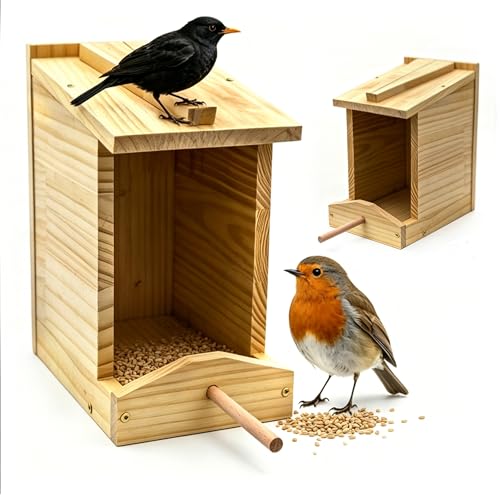
2-Pack – Double the Nesting, Double the Song: Two handcrafted single-level open nesting boxes, each sized at 9.5"H x 5.5"W x 7.1"D. Place them on different trees, fences, or poles to attract multiple pairs of robins, blackbirds, and finches. Enjoy more lively songs, more nesting activity, and twice the vibrant garden atmosphere.

Good Materials: The cockatiel nesting box is made of natural pine, has no paint, and is safe and durable. Bird nest for cage suitable for parakeet budgie lovebirds conure finch parrot canary, create a warm, comfortable, and safe paradise for your birds

ATTRACT A THRIVING BIRD SANCTUARY TO YOUR BACKYARD: Experience the joy of nature up close! Our nesting box is expertly designed to welcome and protect beloved American songbirds like Robins, Blackbirds, Wagtails, and Finches. Provide a safe haven for them and enjoy daily visits from beautiful wildlife right outside your window
Creating a Sustainable Ecosystem
You can create a sustainable ecosystem in your olive grove by implementing organic farming practices and utilizing natural pest control methods to maintain a healthy balance within the environment. Here are four essential steps to achieve this:
- Biodiversity promotion: Encourage a variety of plant species to flourish alongside your olive trees. This attracts beneficial insects and creates a more resilient ecosystem.
- Natural pest control: Introduce natural predators like ladybugs and lacewings to control pest populations without the use of harmful chemicals.
- Soil health: Implement composting and cover cropping to improve soil fertility and structure, fostering a thriving microbial community.
- Water conservation: Utilize drip irrigation systems and mulching techniques to conserve water and maintain a sustainable water balance within the grove.
Maintaining a Healthy Habitat
Maintaining a healthy habitat in your olive grove requires regular monitoring of plant and soil health, proactive pest management, and sustainable water conservation practices. To ensure soil conservation, consider planting cover crops like clover to prevent erosion and promote soil health. Introducing natural predators such as ladybugs and lacewings can help manage pests without the use of harmful chemicals. Employing water management techniques like drip irrigation and mulching can promote biodiversity and reduce water usage. Check out the table below for some quick tips on maintaining a healthy olive grove habitat.
| Soil Conservation | Natural Predator | Water Management |
|---|---|---|
| Plant cover crops | Introduce beneficial insects | Use drip irrigation |
| Monitor soil erosion | Attract birds of prey | Mulch around trees |
| Avoid chemical runoff | Encourage beneficial spiders | Collect rainwater |
Conclusion
Incorporating olive trees into your habitat can create a thriving ecosystem for local wildlife. By selecting the right olive tree varieties and maintaining a healthy environment, you can support the beauty of olive trees while providing a home for various creatures.
This sustainable approach benefits the environment and promotes a harmonious coexistence between nature and wildlife. How will you nurture your olive tree habitat to create a lasting impact on the local ecosystem?
Happy planting!
