

Have you ever wanted to harvest oranges from your own backyard? Pruning an orange tree is an important step in ensuring it will produce a plentiful bounty of juicy fruit. While the process of pruning can seem intimidating, it’s actually quite simple and straightforward. In this article, we’ll look at how to prune an orange tree properly, including when and how to cut back branches, how to shape the crown, and more. You’ll have your orange tree looking and producing fruit like never before!
Pruning an orange tree is an important part of maintaining its health and keeping it productive. To prune an orange tree, first, remove any dead, diseased or damaged branches. Next, thin out the canopy to allow for better air circulation and more light penetration. Finally, trim off any branches that are growing in the wrong direction and cut back any overly long branches. With proper pruning, an orange tree can remain healthy and productive for many years.
Tools Needed for Pruning an Orange Tree
Pruning an orange tree is a vital part of ensuring healthy growth and production. The right tools are essential when it comes to pruning an orange tree. The proper tools will help make the job go faster and easier, and also ensure that no damage is done to the tree. Here are the tools needed for pruning an orange tree:
A pair of sharp bypass pruners: Bypass pruners are a type of hand-held scissors designed specifically for trimming trees and shrubs. They should be sharp enough to make clean cuts without tearing or crushing the stems.
A lopper: Loppers are used for cutting thicker branches, usually up to 1-1/2 inches in diameter. They have longer handles than pruners, which gives you more leverage and makes it easier to cut through thick branches.
A pole saw: Pole saws are great for reaching higher branches on tall trees. A pole saw consists of a long pole with a small saw blade at the end. This will help you to reach higher branches without having to climb the tree or use a ladder.
Anvil pruners: Anvil pruners are designed specifically for cutting deadwood, as they can easily crush the stems and bark of living branches if used incorrectly. Anvil pruners should only be used on deadwood that is too thick for bypass pruners or loppers.
Sharpening stone or files: These tools will help keep your blades sharp, which is essential when it comes to making clean cuts on an orange tree. A sharp blade will also reduce damage from tearing or crushing the stems of living branches when trimming them back.
Finally, protective gear such as gloves, eye protection, and long pants should always be worn when working with any type of power tool or sharp blades when pruning an orange tree. In addition, always follow safety precautions when using ladders or climbing trees in order to avoid any accidents while performing this task.
Recommended Products
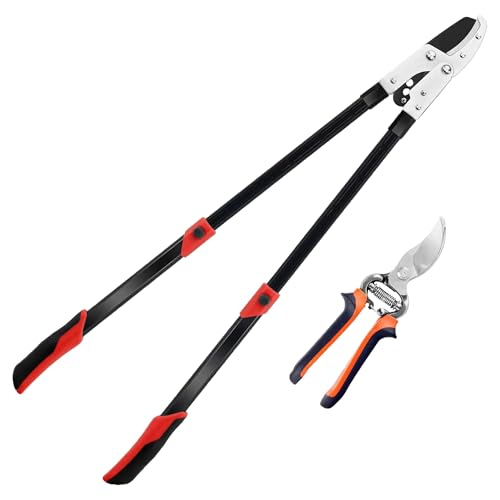
LONG LASTING SHARP: tree branch cutter alloy steel blade with teflon coated and low-friction coating that will long lasting sharp after tough job. Tree pruner is ideal for trimming green living or dry branches, chop through thick branches effortlessly

Powerful Compound Action Cutting – Compound leverage multiplies cutting force, making it easier to cut through thick, tough branches with less effort compared to standard loppers.

Adjustable and Durable Handle - Extendable Loppers: The lopping shears are adjustable from 16 inches to 24 inches, allowing you to handle tall branches easily. The iron arm is more sturdy and durable, and will not bend even when cutting large and thick branches.
When is the Best Time to Prune an Orange Tree?
Pruning an orange tree is an essential part of its maintenance and care. Pruning helps to remove dead and damaged branches and reduces the size of the tree, allowing for better air circulation and light penetration. It can also help to encourage new growth and increase fruit production. Knowing when to prune your orange tree is an important part of keeping it healthy and productive.
The best time to prune your orange tree is in late winter or early spring, just before new growth begins. This allows you to remove any dead or damaged branches before they have a chance to spread disease or attract pests. It also helps to keep the size of the tree manageable, as it can become unwieldy if left unpruned. When pruning, it’s important to make sure that you are only removing dead or diseased branches, as removing too much live wood can weaken your tree and reduce its fruit production.
It’s also important to avoid pruning during times of extreme heat or cold, as this can cause stress on your tree. If you must prune during these times, be sure that you do so carefully, with minimal damage done to the live wood. Additionally, avoid pruning during periods of heavy rainfall, as this can lead to fungal diseases setting in on newly cut branches.
In conclusion, the best time for pruning your orange trees is in late winter or early spring before new growth begins. Pruning helps promote healthy growth and increase fruit production while also keeping your trees at a manageable size. When pruning, it’s important to only remove dead or damaged branches, avoid extreme temperatures and periods of heavy rainfall, and be careful not to over-prune live wood. With proper care and maintenance, you can ensure that your orange trees will remain healthy for many years to come!
Reasons for Pruning an Orange Tree
Pruning an orange tree can help maintain its health and promote better fruit production. By removing dead or diseased branches, you can help prevent the spread of diseases and create a more attractive tree. Pruning also helps increase air circulation, which can help prevent fungal diseases from developing. Additionally, pruning helps to promote better fruit size, shape and quality. By removing overcrowded or weak branches, you can create an environment that encourages larger and healthier oranges. Pruning also helps keep trees of a manageable size, making them easier to harvest and care for. Lastly, pruning encourages new growth by stimulating flowering and fruiting in the spring.
Overall, pruning is an important part of maintaining a healthy orange tree. It not only helps improve the look of the tree but also increases fruit production and quality. Proper pruning techniques should be used to ensure best results from your orange trees.
Which Branches Should be Pruned on an Orange Tree?
Pruning is an important part of caring for an orange tree. It helps the tree to grow in a healthy, attractive shape and encourages the production of more fruit. To prune an orange tree correctly, it is important to know which branches should be pruned.
The first step in pruning an orange tree is to remove any dead or diseased branches. These can be identified by their dull, discolored bark and lack of leaves. They should be cut off at the base of the branch, just above where it meets the trunk.
The next step is to remove any branches that are growing inwards towards the center of the tree. These branches will shade other parts of the tree and prevent them from getting enough light and air circulation, which can cause poor growth and decreased fruit production.
It is also a good idea to remove any branches that are growing too close together, as this makes it difficult for sunlight and air to reach all parts of the tree. Remove these by cutting them off at their intersections with other branches or at their base near the trunk.
Finally, if your orange tree has grown too large for its location, you may need to reduce its size by pruning some larger branches back to smaller side shoots. This will help to keep your orange tree manageable without sacrificing its health or fruiting potential.
By following these steps when pruning your orange tree, you can ensure that it will remain healthy and productive for many years to come!

How to Determine the Age of an Orange Tree
Determining the age of an orange tree can be tricky. For trees that are growing in a yard, it is possible to estimate the age by looking at indicators such as the size, leaf shape, and bark. However, for mature trees that are growing in a commercial orchard, it is more difficult to determine the age without knowing its exact history. Here are some tips for determining the age of an orange tree:
The first step is to look at the size of the tree. Generally speaking, a mature orange tree will reach a height of 6-12 feet and have a trunk diameter of 8-14 inches. If the tree is smaller than this, then it is likely still young and not yet mature.
Another factor to consider is the shape and size of its leaves. As orange trees get older, their leaves tend to become larger and more oval-shaped. Younger trees usually have smaller, rounder leaves.
Finally, observe the bark on the trunk and branches. Older orange trees will have darker bark that appears rough and scaly. Conversely, younger trees will have lighter colored bark that looks smoother and less textured.
By taking into account these three indicators – size, leaf shape and bark – you can estimate the approximate age of an orange tree without knowing its exact history. While this method may not provide an exact answer as to how old a particular tree is, it can give you a better idea so that you can make informed decisions about how best to care for your citrus trees.
Prepare the Area Around an Orange Tree for Pruning
Pruning an orange tree is an important part of caring for it, as it helps to promote healthy growth and encourage a good yield of fruit. Before you get started, it’s important to prepare the area around the tree. This will help ensure that the pruning process goes smoothly and that your tree remains healthy. Here are some tips for preparing the area around an orange tree before pruning.
First, be sure to clear away any debris or weeds from around the base of the tree. This will help reduce competition for nutrients and water, as well as make it easier to access all parts of the tree for pruning.
Next, use a pair of garden shears or loppers to trim back any branches that are overhanging other parts of your garden or your home. This will help prevent any damage from falling branches during the pruning process.
Finally, use a rake or hoe to remove any excess mulch or soil from around the base of your orange tree so that you can easily access all areas during pruning. Make sure to dispose of any debris in a responsible manner after you have finished pruning your tree.
By taking the time to properly prepare the area around an orange tree before pruning, you can ensure that your tree remains healthy and gets the best possible care.
Recommended Products

1️⃣ Extreme 2-Inch Cutting Capacity Cuts branches up to 2 inches thick with confidence. Ideal for mature hardwood, dry limbs, and heavy pruning jobs.

IDEAL FOR PRUNING GREEN GROWTH: Bypass blade design perfect for cutting tree branches up to 1-1/2 inches

CHOPS THROUGH 1.6" BRANCHES EFFORTLESSLY: sharp steel blade tree trimmer that glides through up to 1.6" thick branches effortlessly. Low-friction and non-stick blade makes smooth cuts that solve your tough tree trimming job with ease. Loppers for tree trimming heavy duty easy to cut branches, bushes and shrubs
The Cut Should be Made at the Branch Collar
When pruning an orange tree, the cut should be made at the branch collar. It is important to make sure that all cuts are done correctly and cleanly, as any damage to the branch collar can cause serious problems for the health of the tree. The branch collar is located where the branch meets the trunk of the tree, and it contains a variety of protective tissues that help protect against disease and insect damage. By making sure that all cuts are made at the branch collar, you can ensure that no damage is done to these important tissues. In addition, this will also help promote healthy new growth in your orange tree.
It is also important to make sure that you do not cut off any branches too close to the trunk of your tree. Doing so can cause damage to the bark and leave it vulnerable to disease or insect infestation. When pruning an orange tree, make sure to leave enough of a gap between each cut so that there is room for new growth to occur without damaging any existing branches or bark. This will help keep your orange trees healthy and strong for years to come.

Conclusion
Pruning an orange tree is essential for its long-term health and productivity. It should be done in early spring, before the tree starts to produce new growth. Pruning should be done in a way that allows for light and air circulation to reach all parts of the tree. Any dead, diseased, or broken branches should be removed first. The remaining branches should be pruned lightly to promote a strong shape and encourage new growth. If desired, you can also prune to shape the tree or reduce its size. Remember to always use sharp tools that are properly sterilized when pruning your orange tree. With proper pruning, your orange tree will produce healthy fruit for many years.
Pruning an orange tree may seem intimidating at first, but with patience and practice you can master this important task. Taking good care of your citrus trees will ensure they remain healthy and productive for many years to come!
