

Grafting fruit trees can be an incredibly rewarding experience as it not only helps create a more resilient, disease-resistant tree, but also helps produce more flavorful fruit. If you’re considering growing a fruit tree, grafting is an excellent way to get the most out of your harvest. But what are some of the other benefits of grafting fruit trees? In this article, we’ll explore why grafting is so beneficial, how to properly graft a tree, and tips for ensuring successful growth and harvest.
Grafting fruit trees has several advantages. It can allow growers to produce a higher yield of fruit by increasing the amount of fruiting wood on a single tree. Additionally, grafting can also help speed up the process of achieving a desired fruit type, as well as make it easier to control pests and diseases on the tree. Furthermore, grafting can also be used to overcome soil deficiencies and help trees become more tolerant of various climate conditions.
Increased Disease Resistance
Modern agriculture has seen a major shift in the way crops are grown. With the introduction of biotechnology, farmers have been able to develop new varieties of crops that are resistant to certain diseases and pests, which leads to improved yields and higher crop quality. Genetically modified organisms (GMOs) are one example of biotechnology that have been used to create plants that are more resistant to disease and pests. These GMOs can also be used to develop crops with higher levels of nutrition, such as those with increased levels of vitamins and minerals. In addition, advances in plant breeding techniques have allowed scientists to produce plants with enhanced disease resistance and tolerance to environmental stresses, such as drought and extreme temperatures. These techniques can be used to create improved varieties of crops that are more resilient in the face of climate change.
The use of biotechnology has had a positive impact on crop production by increasing disease resistance and tolerance for environmental stresses. This has led to improved yields and higher crop quality, resulting in increased profits for farmers around the world. In addition, it has provided a way for scientists to develop new varieties of crops that are more nutritious than ever before, which can lead to better health outcomes for people who consume them. Finally, biotechnology has allowed us to develop crops that are more resilient in the face of climate change, helping us ensure food security for future generations.
Increased Stress Tolerance
Stress is a part of life and can be difficult to manage. Fortunately, there are ways to increase stress tolerance and make life more manageable. Exercise, meditation, and getting enough sleep are all great ways to reduce stress levels and increase one’s overall stress tolerance. Exercise releases endorphins which can help to reduce feelings of stress and anxiety. Meditation can help one to focus on the present moment and become more mindful of their environment, which can also reduce feelings of stress. Lastly, getting enough restful sleep helps the body to recharge and prepare for the next day’s challenges.
Other strategies for increasing stress tolerance include making time for leisure activities such as reading, listening to music, or engaging in creative pursuits like drawing or painting. Finding time for leisure activities allows one to take a break from everyday stresses and refocus on something that is enjoyable and relaxing. Additionally, spending time with friends or family can be a great way to reduce stress levels as it provides an opportunity for social connection and support.
Finally, it is important to practice self-care techniques such as eating healthy foods, avoiding unhealthy habits like smoking or drinking excessive amounts of alcohol, and taking breaks throughout the day from work or other tasks that may be causing one additional stress. All of these strategies can help one increase their overall stress tolerance by reducing their overall stress levels and providing them with an opportunity for relaxation and self-care.
Improved Yields
Yields have been improved in many areas thanks to advancements in technology. With the use of precision agriculture, farmers are able to monitor their crops more efficiently and make adjustments to maximize yield potential. This includes using satellite imagery to identify areas of the field that need attention, irrigation scheduling to allocate water resources, and variable-rate application of fertilizers and pesticides. Additionally, new varieties of crops are being developed that are resistant to disease and pests, allowing farmers to produce higher yields with less effort. Improved access to information and data is also allowing growers to make better informed decisions about their fields and operations.
In addition to technology-based solutions, there are other methods that can be employed by farmers to increase yields. Crop rotation can help build soil fertility while also reducing pest pressure on crops. Cover cropping is another way of improving soil health while providing protection from erosion and other environmental damage caused by wind or rain. Lastly, improved management practices such as timely planting, effective weed control, nutrient management, and efficient irrigation can all lead to higher yields.
Recommended Products

TREE GRAFTING TOOL - Efficiently prepare scion shoots and understock for grafting with our handy garden tool. This standard manual grafting tool can be used to cut stock up to 1/2” in diameter and comes with an excellent illustrated instruction manual.

Package Includes: Contents 1 Manual gardening grafting cutter and 2 rolls of 2 sizes of grafting tape, meeting your needs.

Increased Adaptability to Different Soils
Modern farming techniques have made it possible for crops to be grown in soils that were previously unsuitable. This increased adaptability to different soils has been made possible by advances in technology and the use of fertilizers and other soil amendments. Crops can now be grown on a variety of soil types, including sandy soils, clay soils, and even acidic or alkaline soils. With this increased adaptability to different soils, farmers can maximize the yield of their crops by choosing the right type of soil for their particular crop.
In addition to improved yields, increased adaptability to different soils also makes it easier to control weeds, pests, and diseases. By selecting the right type of soil for a particular crop, farmers can reduce the amount of time spent weeding and spraying pesticides. Furthermore, they can also reduce the amount of water needed for irrigation as some types of soil are better at retaining moisture than others.
Finally, increased adaptability to different soils also helps to reduce environmental impacts associated with farming. By reducing the amount of fertilizer and other soil amendments used in modern farming practices, farmers are able to reduce their impact on local ecosystems and limit pollution from runoff into nearby waterways. Additionally, by using appropriate soil types for certain crops, farmers can help improve water retention levels in their fields which helps reduce water waste from irrigation systems.

A Greater Variety of Fruits
Eating a variety of fruits is essential to a balanced and healthy diet. Fruits provide essential vitamins, minerals, and fiber that are important for proper nutrition and overall health. Eating more fruits can help reduce the risk of many diseases, including heart disease, type 2 diabetes, stroke, and some cancers. Additionally, consuming a variety of fruits can help you to get more nutrients and antioxidants in your diet.
Fruits come in all shapes, sizes, colors, and flavors. There are many different types of fruits to choose from when creating a balanced diet. Some common fruits include apples, oranges, bananas, grapes, melons, berries, kiwis, mangoes, pineapples and more. Each type of fruit provides unique nutritional benefits depending on its variety and ripeness.
Eating a greater variety of fruits can help ensure that you receive all the essential nutrients needed for good health. For example, eating oranges provides vitamin C which helps to boost the immune system as well as protect against cell damage from free radicals. Eating bananas provides potassium which helps regulate blood pressure levels and keep muscles healthy. Eating grapes provides antioxidants which reduce inflammation throughout the body.
When selecting fruits to include in your diet it is important to choose those that are ripe and in season when possible as they will have the most nutritional value. Additionally it is important to try new types of fruit so that you can benefit from their unique nutritional benefits. By eating a greater variety of fruits you can ensure that you are getting all the essential vitamins and minerals needed for optimal health and wellbeing.
Improved Quality of the Fruits
Fruits are an important part of our diet, and it is important that they are of the highest quality. There are a variety of ways to ensure that the fruits we consume are of the best quality. One way is to pay close attention to where the fruits come from and how they were grown. Fruits that are locally grown and produced in organic conditions tend to be of higher quality than those grown in large-scale commercial farms using pesticides and other chemicals.
Another way to ensure high-quality fruits is to buy in season. In season fruits tend to have more flavor, be fresher, and have more nutrients than out-of-season fruits that have been stored for long periods of time. Additionally, seasonal produce supports local farmers and helps us avoid food waste since fewer fruits will go bad before they can be eaten.
Finally, proper handling and storage can help maintain the quality of fruit over time. Fruits should be stored at the right temperature and humidity levels, depending on their type, in order to prevent them from spoiling or losing nutrients. Properly washing fruit before consuming it can also help reduce exposure to bacteria or toxins that may otherwise cause health problems.
By following these simple steps, we can ensure that we get the highest quality fruits possible for our diets. This will help us maintain good health while also supporting local farmers and reducing food waste.
Recommended Products


Durable 600D poly PVC construction with padded 18 inch laptop compartment and ventilated shoe/gear storage

🌎 ECO FRIENDLY ALTERNATIVE - Make the eco-conscious choice when it comes to your shopping and grocery bags! Our reusable shopping bags help reduce the carbon footprint and minimize plastic pollution that clogs landfills and harms delicate ecosystems & waterways. Our bags are sustainably crafted and reusable, helping you reduce waste and protect the environment.
Enhanced Cold Hardiness
Modern plant breeding techniques now allow us to develop plants that are more tolerant of extreme temperatures, such as cold hardiness. This means that plants can be grown in areas with colder climates without suffering from frost damage or other cold-related issues. By selecting for traits that increase a plant’s ability to withstand cold temperatures, we can create varieties that are better suited for the environment in which they are grown. In addition, this improved cold hardiness can reduce the need for additional energy inputs during the winter months, as the plants will not require additional heating to survive.
The development of these cold-hardy varieties is a great way to ensure that farmers can still produce a crop even in areas with challenging weather conditions. This means that even during periods of extreme weather conditions, there is still potential for successful harvests and increased yields. Additionally, with improved cold hardiness comes increased disease resistance, meaning fewer losses due to fungal and bacterial diseases. This makes it easier for farmers to produce healthy crops in areas where diseases are more likely to occur due to cooler temperatures.
Overall, enhanced cold hardiness has many benefits for both growers and consumers alike. Not only does it help farmers produce healthier crops in colder climates, but it also reduces energy inputs and minimizes losses due to disease and frost damage. Therefore, this technology is an invaluable tool for those looking to produce high-quality crops in a challenging environment.

Recommended Products

GRAFTED FRUITING TREE: Russian pomegranate plant is propagated from mature fruit producing stock instead of seed grown material for stronger growth habits and earlier fruiting potential

Each offer includes one plant grown in a 4 inch pot
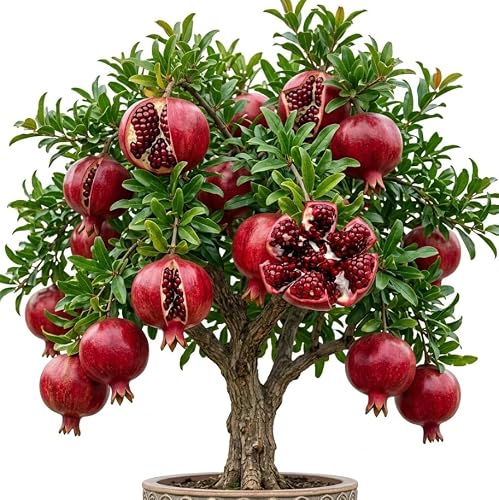
Each order includes a live red pomegranate plant, carefully grown and ready to thrive in your garden or home.
Conclusion
Grafting fruit trees is a great way to bring more productivity and diversity to any garden or orchard. Not only does it allow for multiple varieties of fruit on the same tree, but it can also increase the yield as well as reduce the risk of disease and pests. Grafting can also be used to produce fruits with desirable traits such as size, ripening time and flavor that are not available in other varieties. Grafting is a relatively simple process that can be done at home with the right tools and knowledge. It must be done carefully and properly in order to ensure success, but with a little practice, anyone can become an expert graft-master.
Grafting is an important skill that every gardener should learn and practice if they want to maximize their yields and produce high-quality fruit. With a little bit of effort, grafting will pay off in spades with beautiful trees filled with delicious fruits that you grew yourself!
