

Gardening is a great way to get fresh, tasty fruit right from your own backyard. Planting fruit trees is a rewarding experience that takes some knowledge and preparation. Before you start digging, there are a few things you should know to ensure your tree will be healthy and productive. In this article, you’ll learn about the different types of trees, how to select the best variety for your climate and soil, how to prepare the planting site, and how to care for your fruit tree once it’s in the ground.
The planting of fruit trees offers many benefits. By cultivating fruit trees, you can help to improve the environment, provide a food source for yourself and your family, and enjoy the beauty of nature. Planting fruit trees helps to reduce air pollution by absorbing carbon dioxide and releasing oxygen, which helps to purify the air. Additionally, it can provide a fresh food source that is pesticide-free and free of artificial preservatives. Finally, having a lush garden with abundant fruit trees can be aesthetically pleasing and create a peaceful atmosphere.
Selecting the Right Variety of Fruit Tree
Choosing the right variety of fruit tree for your garden is essential for a successful harvest. There are many different varieties of fruit trees available, and each has its own unique characteristics. It is important to consider the climate, soil type, and other environmental factors when selecting the right variety of fruit tree.
When selecting a variety of fruit tree, it is important to consider the size and shape of the mature tree. Some varieties are suitable for small gardens while others may require larger areas. Similarly, some varieties may be more suitable for tight spaces than others.
The climate in which you live also plays a role in determining which variety is best suited for your garden. Different climates will require different types of trees that can withstand or thrive in that environment. It is important to research the climate in which you live and determine what type of fruit tree will grow best there.
The soil type is another factor to consider when selecting a variety of fruit tree. Different soils have different nutrient levels and pH levels, so it’s important to select a variety that will thrive in your particular soil type. Similarly, some varieties may be more susceptible to disease or pests than others, so it’s important to research this as well before making a decision.
It’s also important to think about how much space you have available for planting a fruit tree and how much maintenance you are willing to do on your own or with help from professionals if necessary. Some varieties may require more frequent pruning or fertilization than others, depending on their growth rate and size.
Finally, it’s also important to consider what kind of fruit you want from your tree. Different varieties produce different types of fruits, so make sure that you select one that produces what you want before planting it in your garden.
Overall, selecting the right variety of fruit tree can be an enjoyable process if done correctly. Researching different types and considering all factors involved can help ensure that you choose one that will provide an abundant harvest for years to come!
Recommended Products

Complete Berry Garden Collection: This all-in-one berry seed kit includes 400 Strawberry, 200 Blueberry, 300 Raspberry, 300 Mulberry, 200 Cranberry, and 20 Cherry seeds. Start your own diverse and productive berry patch with this comprehensive collection
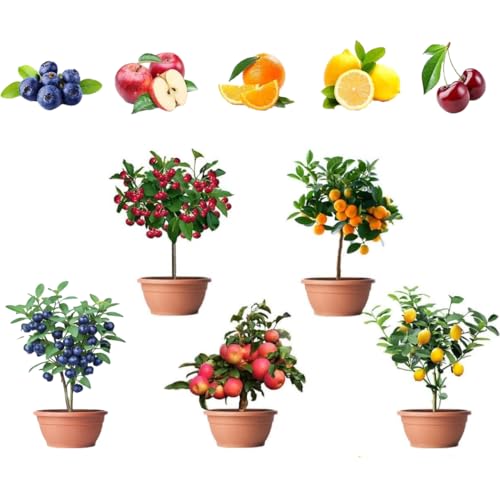
Variety Pack of 5 Fruits: Includes 40 Lemon seeds, 40 Orange seeds, 40 Apple seeds, 20 Cherry seeds, and 20 Blueberry seeds for a colorful and diverse home garden

4 kinds of the most popular fruits, individually packaged, 50pcs Lemon seeds 50pcs Cherry seeds 50pcs Orange seeds 50pcs Apple seeds Fresh seeds, all fruit seeds are packed in tear and moisture resistant zipper sealed bags for your long term storage.
Choosing the Optimal Location for Planting a Fruit Tree
Planting a fruit tree can be a great addition to a garden or landscape. But choosing the optimal location can be tricky. It is important to take into account the size of the tree, what type of soil it needs, and how much sunlight it will receive.
When selecting an area to plant a fruit tree, the size of the tree should be taken into consideration. A larger tree will need more space than a smaller one and may need to be planted further away from other trees or structures. It is also important to make sure that there is enough room for the tree to spread its branches and canopy without any obstruction.
The type of soil needed by the fruit tree should also be taken into account when choosing an area for planting. Different types of trees require different types of soil in order to thrive. For example, some trees prefer acidic soil while others prefer alkaline soils. Knowing what type of soil is best for the particular fruit tree is essential for successful planting and growth.
Finally, how much sunlight the fruit tree will receive should be considered when selecting an area for planting. Most fruit trees prefer around 6 hours of full sun each day in order to grow and produce quality fruits. If an area does not receive enough sunlight, it may not be suitable for planting a fruit tree.
In conclusion, selecting an optimal location for planting a fruit tree requires careful consideration of factors such as size, type of soil needed, and amount of sunlight received in that location. By taking these factors into account, gardeners can ensure that their fruit trees will have all they need in order to thrive and bear delicious fruits!
Preparing the Soil for Planting a Fruit Tree
Preparing the soil prior to planting a fruit tree is essential for healthy, productive trees. Planting in poor quality soil can result in stunted growth and reduced yields. Taking the time to prepare the soil properly will ensure your fruit tree gets off to a good start.
The first step is to test the soil pH. This will let you know how acidic or alkaline your soil is, and how much lime or sulfur you may need to adjust it for optimal nutrient availability for your tree. A simple test kit is available at most garden centers.
Once you have determined the pH of your soil, it’s time to start digging! Remove any weeds or grass from the area where you are planting your fruit tree and double-dig down one foot deep (or deeper if possible). Double-digging means loosening the top 8 inches of soil and then removing another 8 inches of compacted subsoil and turning it into the top layer. This creates aeration and allows water, air, and nutrients to penetrate deeply into the root zone, which can be beneficial for young trees.
Next, mix in organic matter such as compost or aged manure into both layers of soil that were removed during double-digging. This will improve both drainage and moisture retention in the root zone of your tree. If necessary, add lime or sulfur to adjust the pH of your soil according to what was recommended from your test results. Make sure all amendments are thoroughly mixed into the soil before replacing it around your tree’s roots when planting.
Finally, mulch around the base of your newly planted fruit tree with an organic material such as straw or wood chips. Mulch helps keep moisture in by reducing evaporation from wind and hot sun while also suppressing weeds that can compete with young trees for nutrients and water.
With these simple steps you can ensure that you have provided an ideal environment for your new fruit tree to grow strong and healthy!
When to Plant a Fruit Tree
Planting a fruit tree is an exciting and rewarding experience, but it’s important to make sure that you plant it at the right time. Generally, the best time to plant a fruit tree is in the early spring when temperatures are still cool and the soil is moist. This gives the tree time to establish its roots before the summer heat arrives and will help ensure a healthy harvest in the fall.
When planting your fruit tree, make sure to choose a spot in your yard that has plenty of direct sunlight, as most fruit trees require full sun for optimal growth. If possible, try to select an area that has good air circulation and little wind, as strong winds can damage the delicate branches of young trees. Additionally, be sure to provide ample space around your tree so that it has enough room to grow and so that sunlight can reach all of its branches.
Before planting your fruit tree, you’ll also want to make sure that you provide it with plenty of water and fertilizer. Watering your tree regularly (at least once a week) will help ensure that it develops deep roots and remains healthy throughout the growing season. And providing regular fertilizer will give it essential nutrients to help promote strong growth.
Finally, be sure to pay attention to any local frost warnings as fruit trees can be damaged by late frosts. If temperatures are expected to dip below freezing after you have planted your tree, you may want to consider covering it with some type of cloth or burlap for protection from the cold.
Overall, planning ahead and taking proper care of your fruit tree will help ensure a plentiful harvest in years to come!

Choosing the Right Tree
When choosing a fruit tree, it’s important to consider the type of climate you live in and the amount of space you have available. Different types of trees require different conditions to thrive, so make sure to pick one that is suited for your area. You’ll also want to consider the amount of sunlight and water that your tree needs in order for it to be healthy. Once you’ve chosen the right tree, it’s time to get started planting!
Gathering Supplies
Before you begin planting your fruit tree, make sure you have all of the necessary supplies. You’ll need a shovel, a spade, potting soil, a watering can or hose, pruning shears and an optional stake for taller trees. You may also want to purchase some organic fertilizer or compost to help give your tree extra nutrients.
Digging the Hole
Using a shovel or spade, dig a hole that is at least twice as wide as the roots of your tree. The depth should be approximately equal to the depth of the root ball. Make sure not to dig too deep as this could cause damage to your tree’s roots.
Filling and Planting
Take some of the potting soil and fill in around the roots of your tree before planting it into its new home. Once planted, add more soil around its base until all of its roots are covered. Make sure there are no air pockets in between roots and soil as this could cause them to dry out.
Watering Your Tree
After planting your new fruit tree, water it thoroughly with either a watering can or hose so that all of its roots are soaked with moisture. It’s important to keep your tree well watered throughout its first year so that it has enough time to establish itself in its new home.
Recommended Products
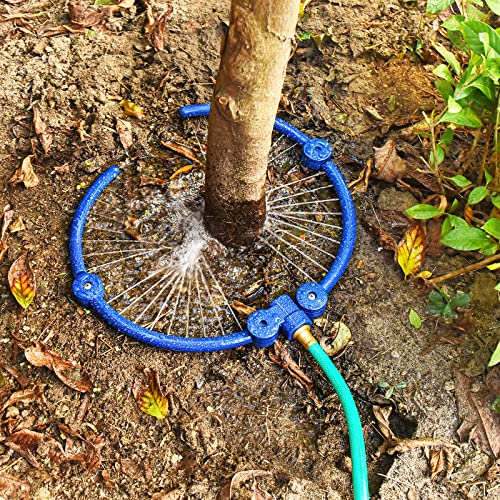
【Specially Designed for Trees and Shrubs】 The Watering Ring is a multi-purpose irrigation ring that attaches to a garden hose to efficiently water young trees shrubs vegetables or flower beds using drip or trickle irrigation.It directs water to the root perimeter of the plant to give them a good start during the first two growing seasons or through periods of drought.

4-Hole Side Design: This high-performance tree watering spike makes it easy to deliver water and fertilizer directly to the root zone. The upgraded side-hole design helps improve watering efficiency, while the sharp tip makes it easy to push into hard or compact soil. The 4 side outlets help reduce clogging and distribute water more evenly for deep root watering and feeding.

Large 2-gallon capacity with measurement markings for precise control.
Pruning and Staking
If needed, use pruning shears or scissors to remove any dead branches or leaves from your fruit tree. This will help promote healthy growth and keep pests away from it. If you have taller trees, consider using a stake for extra support during windy days.
Aftercare for Newly Planted Fruit Trees
Providing proper aftercare is essential for the health and longevity of newly planted fruit trees. To ensure your tree grows strong and produces a bountiful harvest, follow these steps in the months and years after planting.
The first step to take is to water your tree regularly. Newly planted trees need about 1-2 inches of water per week, either from rain or irrigation. Monitor the soil moisture at least once a week and water when it is dry to a depth of six inches. Also mulch around the tree to help retain soil moisture and keep weeds at bay.
Fertilizing your tree with a balanced fertilizer is also important for its growth and development. Apply fertilizer 2-3 times during the growing season at a rate of 1 lb per inch of trunk diameter or according to the manufacturer’s instructions on the label.
Pruning can help promote healthy growth by removing dead, diseased, or damaged branches as well as improving air circulation through the canopy which helps reduce disease pressure. Prune away any crossing branches that rub against each other as they can cause damage over time. Pruning should be done in late winter or early spring before bud break when pruning cuts heal more quickly.
Finally, keep an eye out for pests and diseases that may affect your tree’s health such as aphids, scale insects, fire blight, leaf spot, powdery mildew, and cedar-apple rust. If you notice any signs of pests or disease treat them immediately using appropriate control measures such as pesticides or fungicides.
By following these simple steps you can ensure your newly planted fruit tree grows strong and produces healthy fruit for years to come!
Fertilizing Your Fruit Trees
Fertilizers are essential for the healthy growth of fruit trees. Fertilizers provide essential nutrients that help to promote vigorous growth, improve the soil structure, and increase the yields of fruits. The best time to fertilize fruit trees is in late winter or early spring before the new leaves emerge. When selecting a fertilizer, look for one that is specifically formulated for fruit trees and contains a balance of nitrogen, phosphorus, and potassium. Apply the fertilizer at a rate recommended on the label and water it into the soil thoroughly after application.
Watering Your Fruit Trees
Watering is also essential for healthy growth of fruit trees. Water deeply at least once per week during hot summer months. During cooler months, water less frequently but still be sure to give them enough water to keep them from drying out. To determine if your fruit tree needs water, dig down a few inches into the soil near the base of the tree and check if it is dry or moist. If it is dry, then your tree needs to be watered.
It is also important to mulch your fruit trees with organic material such as grass clippings or composted leaves to retain moisture in the soil. Mulch also helps control weeds that can compete with your tree for nutrients and water.

Conclusion
Fruit trees provide a great way to add fresh produce to your garden. They are relatively easy to care for and can produce an abundance of delicious fruit for years. It is important to carefully select the species and varieties of fruit trees that you wish to plant. It is also important to consider your environment and climate when selecting fruit trees, as some varieties may not thrive in certain areas. Proper soil preparation, fertilization, pruning, and pest control are essential for healthy fruiting trees. Planting and caring for your fruit tree properly will ensure that you have a plentiful harvest each season.
All in all, it is important to take the time to do the necessary research before planting fruit trees in order to ensure they will thrive in your garden. With the right information and a little bit of care, you can enjoy homegrown delicious fruits for years to come!
