

Are you wondering if apple trees can grow in California? If so, then you’ve come to the right place. Apple trees are a great addition to any home garden and can provide an abundance of delicious apples throughout the year. This article will provide an overview of the types of apple trees that are suitable for growing in California, as well as tips on how to successfully grow them. We’ll also discuss the best varieties of apples for California’s climate, and how to care for your apple tree in order to get the biggest harvest.
If you are looking for apple tree varieties that are suitable for growing in California, then there are a number of options to choose from. Popular varieties of apple trees that grow well in California include Gala, Fuji, Granny Smith, Honeycrisp, Golden Delicious and Red Delicious. If you are looking for heirloom varieties, then consider White Transparent or Wolf River.
Soil Requirements for Growing Apple Trees in California
Growing apple trees in California requires soil that is deep, well-draining, and rich in organic matter. The soil should have a pH between 6.0 and 7.5 and be high in nitrogen, phosphorus, and potassium. A soil test will help determine if the soil is suitable for growing apple trees. The ideal soil should also be friable or loose so that the roots can easily penetrate it to find the necessary nutrients.
Apples need ample water to grow and thrive, so it is important to make sure the soil drains well and does not stay soggy for long periods of time. If necessary, the soil can be amended with compost or other organic amendments to improve drainage. Mulch should also be applied in a 4-6 inch layer around the base of the tree to help retain moisture and add nutrients to the soil over time.
Apple trees cannot tolerate overly wet or soggy soils, so it is important to ensure that proper drainage is provided. Otherwise, root rot and other diseases can occur due to standing water around the roots of the tree. If drainage is an issue, raised beds or mounds can be constructed to ensure adequate drainage for growing apple trees in California.
In addition to providing adequate drainage, it is also important to fertilize apple trees regularly throughout their growth cycle with an organic fertilizer or compost tea solution. This will help keep the tree healthy and ensure that it receives all of the necessary nutrients for optimal growth and fruit production.
Recommended Products

Down to Earth Fruit Tree is a five pound box of all natural fertilizer with 6-2-4 formula and is listed by the Organic Materials Review Institute (OMRI) for use in organic production
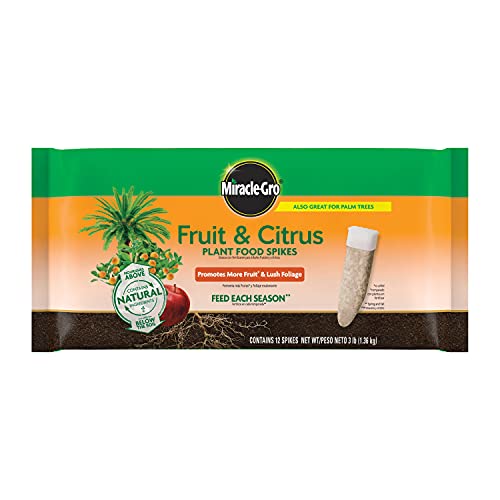
FORMULATED FOR CITRUS AND FRUIT TREES: Use these citrus fertilizer spikes on apple, orange, lemon, lime, and avocado trees; this formula is also great for feeding palm trees

Feed the soil not the plants - stimulate microbial activity in your soil and boost probability of success with all types of plants… like composting but faster
Climate Conditions for Growing Apple Trees in California
Growing apple trees in California is possible, but there are a few climate conditions to consider. California has a Mediterranean climate with mild, wet winters and warm, dry summers. Apple trees require cool winters for their dormancy period and warm summers for fruit production. The ideal temperatures range between 32°F and 75°F (0°C and 24°C).
Apple trees need plenty of sunlight in order to produce fruit. Most varieties of apple can thrive in full sun, but some may need partial shade to protect them from the harsh afternoon sun. In addition, apple trees need good air circulation and well-draining soil with plenty of organic matter. Apples require consistent moisture throughout the growing season and should be watered regularly during dry spells.
In terms of pests and diseases, apple trees are susceptible to codling moths, fire blight, apple scab, powdery mildew, aphids, and spider mites. Proper pruning and planting disease-resistant varieties can help reduce the risk of pest or disease infestation. Ultimately, choosing a variety that is well suited to the local climate is essential for successful apple tree cultivation in California.
The Best Time to Plant an Apple Tree in California
Planting an apple tree in California is a great way to grow your own fresh fruit and enjoy the beauty of your backyard orchard. But when is the best time to plant an apple tree in this climate? The answer depends on the type of apple tree you’re planting and the conditions in your region.
In California, apple trees should usually be planted between late October and mid-February. This gives the trees plenty of time to become established before hot summer temperatures arrive. Choosing a location with good drainage and plenty of sun is also important, as this will ensure that the tree has adequate sunlight and doesn’t stay soggy from excessive rain or irrigation.
For those in colder climates, it can be beneficial to wait until spring or early summer to plant their trees. This gives them more time for root growth before winter arrives, making them more likely to survive harsh weather conditions. In warmer climates, however, fall planting is best as long as temperatures remain above freezing.
When selecting an apple tree for planting in California, it’s important to consider both its hardiness zone and its chill hours requirements. Hardiness zones are based on average cold temperatures over a period of 30 years while chill hours are based on how many hours temperatures remain below 45 degrees Fahrenheit during winter months. Some varieties may require more chill hours than others in order to produce fruit successfully, so be sure to select a variety that meets your local needs.
Finally, make sure to properly prepare your soil before planting your apple tree by adding compost and fertilizer if needed. Once your soil is ready, dig a hole twice as wide as the root ball and just deep enough that the roots fit comfortably inside without bending or breaking apart. Then fill with soil and water regularly until established.
By following these tips for planting an apple tree in California you can enjoy fresh apples from your backyard for years to come!
Pruning and Maintenance of Apple Trees in California
Apple trees are a popular choice for domestic and commercial orchards in California. Proper pruning and maintenance is essential for the health of the tree and the quality of the fruit. Pruning should be done annually, in late winter or early spring, to ensure that the tree’s structure remains strong. It also helps to reduce pest and disease problems, as well as regulate the amount of fruit produced.
When pruning apple trees, it is important to make sure that dead, diseased or broken branches are removed. Branches should also be thinned out to allow light and air into the interior of the tree, which will promote healthy growth. When pruning apple trees, care should be taken not to remove more than one-third of the tree’s foliage each year.
In addition to pruning, other maintenance tasks can help keep apple trees healthy. Regular fertilizing should be done throughout the growing season using a balanced fertilizer with a high nitrogen content. Soil should also be tested regularly to ensure that it has adequate levels of nutrients for optimal growth. Mulching is also important for apple trees; it helps retain moisture in the soil as well as preventing weeds from competing with them for nutrients and water.
Finally, regular monitoring for pests and diseases is essential for apple tree health in California. Common pests include aphids, mites, scale insects and codling moths; common diseases include fire blight and powdery mildew. Keeping an eye on your apple trees throughout the season can help detect problems early on so they can be treated quickly before they become too serious.

The Best Locations for Planting an Apple Tree in California
Planting an apple tree in California can be a great way to enjoy the bounty of this wonderful state. Apples are one of the most popular fruits in the United States, and California is home to some of the best apples in the world. With its mild climate and ample rainfall, California is an ideal location for growing apples. But where exactly should you plant your apple tree? Here are some of the best locations for planting an apple tree in California:
First, consider your climate zone when selecting a location for your apple tree. In general, northern California is cooler and wetter than southern California, so it will be important to choose a variety that is well suited to your particular climate. If you live in a warm region like the Central Valley or Southern California, then you may want to opt for a heat-tolerant variety such as Granny Smith or Honeycrisp apples.
Second, determine what type of soil you have and how much sunlight it gets. Apples prefer well-drained soil with plenty of organic matter like compost or peat moss. They also need at least six hours of direct sunlight per day in order to produce healthy fruit. If possible, choose a location that has access to both water and sun.
Finally, consider your space constraints when selecting a location for your apple tree. If you have limited space, then dwarf varieties may be the best option as they require less room than standard varieties. Also, consider planting multiple trees together for better pollination and higher yields.
By following these tips, you can be sure to select the best location for planting an apple tree in California. With proper care and attention, your apple tree can provide delicious fruit year after year!
Recommended Products

🌳 3-Pack Fruit Tree Bundle Includes live apple, blueberry, blackberry trees—perfectly paired for a diverse and productive backyard orchard.

4 FRUIT VARIETIES – 100 SEEDS TOTAL: Includes 30 Apple Seeds, 30 Lemon Seeds, 30 Cherry Seeds, and 10 Banana Seeds, individually separated by variety for an exciting fruit-growing collection.

Product Quantity: 180+ premium bonsai fruit seeds across 5 varieties; Individual packs contain 40+ apple, 40+ lemon, 40+ orange, 20+ blueberry, and 40+ cherry seeds; Perfect for starting a diverse miniature orchard
Planting an Apple Tree from a Container in California
Planting an apple tree from a container in California is a great way to enjoy fresh fruit from your own backyard. With the right steps, you can ensure that your apple tree grows and produces healthy apples for many years to come. Before you begin planting, you should do some research on the type of apple tree that will grow best in your area. Once you know what type of tree to plant, it’s time to get started.
The first step is to find a suitable spot in your yard for the apple tree. Make sure that the area has enough sunlight and is not too close to other trees or structures, as this could cause problems with overhanging branches or roots. Once you have found the perfect spot, it’s time to prepare the soil. Remove any weeds or debris and loosen the soil with a shovel or rake. This will help the roots of your apple tree get established quickly once planted.
Next, take your containerized apple tree out of its pot and place it carefully into the prepared hole at least two inches deeper than it was in its container. If necessary, add some compost or topsoil to fill any gaps around the roots so that they are completely covered by soil when planted. Once planted, water thoroughly and mulch around the base of the tree so that it stays moist but not waterlogged during dry spells.
Finally, give your new apple tree plenty of care over its first few years as it establishes itself in its new home. Prune away any dead or diseased branches regularly, water deeply during dry spells and fertilize with an organic fertilizer once a year after flowering has finished. With these simple steps and some TLC, you’ll be able to enjoy fresh apples from your own backyard for many years to come!
Recommended Products

Grow your own apple, a tree of legend that has been cherished and cultivated for thousands of years by people of many cultures from every corner of the world

The apples produced have multiple uses, suitable for fresh eating, baking into pies, or creating homemade applesauce

Grow Your Own Classic Apple Tree: Begin a rewarding long-term gardening project with these 30 viable apple seeds. Experience the satisfaction of cultivating your own apple tree from seed, which can eventually provide shade, beauty, and homegrown fruit.
Water Requirements for Growing an Apple Tree in California
Apple trees are an important crop in California and need adequate water to thrive. In order to ensure that your apple tree is healthy and productive, you will need to provide it with the right amount of water. Water requirements for apple trees depend on several factors, including the variety of apple tree, the climate, and regional weather patterns.
The amount of water your tree needs depends on its age and size. Younger trees require more frequent watering than older ones because they are still establishing their root systems. During the first year after planting, you should water your tree two to three times a week for about one hour each time. As the tree matures, you can reduce the frequency but increase the duration of your watering sessions.
In California, apple trees typically need about 15 to 20 gallons of water per week during dry spells or hot weather conditions. However, this amount can vary depending on local weather patterns or soil type. Sandy soils tend to dry out more quickly than other types of soils and may require additional watering during periods of extended heat or drought.
It is also important to note that apple trees require deep watering rather than shallow watering sessions. Deep watering encourages deeper root growth and helps prevent drought stress during periods of low rainfall or hot weather conditions. To encourage deep root growth, you should slowly drip-water your tree at its base until you notice that the top few inches of soil are wet before moving onto another area.
Overall, providing your apple tree with sufficient water is essential for its health and productivity in California’s diverse climate conditions. With adequate irrigation and proper care, an apple tree can thrive in this region for many years to come!

Conclusion
In conclusion, apple trees can indeed grow in California. It is important to select the right type of apple tree for the climate and soil conditions of your area. Planting the right variety will ensure a healthy, fruitful tree that will provide you with years of delicious apples. Additionally, proper care and maintenance are essential for healthy growth and success. With the right selection, planting, and care, you can enjoy homegrown apples in California!
California has a favorable climate for apple trees, making it possible to grow many varieties of apples throughout the state. With careful consideration of your local climate and soil conditions, selecting a variety that is best suited for your area is key to success. Apples require regular watering and fertilizing as well as pruning to keep them healthy and productive. With proper care and maintenance, you can enjoy homegrown apples from your own backyard!
