

Growing plum trees in pots in Nebraska requires careful attention to wind and soil management. Proper strategies can ensure healthy growth and fruit production despite challenging weather conditions.
Wind Protection Strategies for Potted Plum Trees
Wind can severely damage plum trees, especially when they are in pots. Young trees are particularly vulnerable to wind stress, which can cause branches to break and roots to dry out. To mitigate these risks, consider the following protective measures:
Select a sheltered location away from strong winds.
Use windbreaks such as fences or shrubs to shield the trees.
Stabilize pots with heavy materials to prevent tipping.
Selecting Ideal Pots for Nebraska Plum Trees
Choosing the right pots for plum trees in Nebraska is crucial for their growth and health. The local climate, characterized by strong winds and variable soil conditions, necessitates careful consideration of pot materials, sizes, and drainage features. This section will guide you through the best options to ensure your potted plum trees thrive in Nebraska’s unique environment.
The choice of pot significantly impacts the health of plum trees. A suitable pot allows for adequate drainage and root growth while providing stability against wind. When selecting a pot, keep these factors in mind:
Size: Choose a pot that is at least 18-24 inches in diameter to accommodate root development.
Material: Opt for heavy materials like ceramic or concrete to resist wind.
Drainage: Ensure the pot has multiple drainage holes to prevent waterlogging.
| Pot Material | Weight | Drainage Capability | Cost |
|---|---|---|---|
| Ceramic | Heavy | Excellent | High |
| Concrete | Very Heavy | Excellent | Medium |
| Plastic | Light | Good | Low |
Soil Mix Strategies for Potted Plum Trees
Selecting the right soil mix is crucial for the health of potted plum trees in Nebraska, where wind and soil conditions can vary significantly. A well-balanced soil mix not only supports root development but also enhances moisture retention and nutrient availability. Understanding the specific needs of these trees will help ensure they thrive in a container environment.
Soil quality is crucial for the health of plum trees in pots. The right soil mix promotes root development and nutrient absorption. Consider the following soil management practices:
Use a well-draining potting mix that includes perlite or vermiculite.
Incorporate organic matter like compost to enhance nutrient content.
Monitor pH levels to ensure they remain between 6.0 and 7.0 for optimal growth.
Recommended Products

INDOOR GROWING: Growing indoors is easy under the right conditions; Miracle-Gro Houseplant Potting Mix is an indoor plant potting soil that combines key elements container plants need to thrive

Made For Potted Citrus Trees: Our citrus potting soil mix is made for potted lemon, lime, orange and other citrus trees that need a lighter growing medium for repotting. We double-screen all of our raw ingredients to support a cleaner, more consistent texture for pouring and repotting potted citrus trees.
Potted Plum Tree Watering Strategies
Watering potted plum trees in Nebraska requires careful consideration of the unique challenges posed by the state’s climate and soil conditions. Effective strategies can help ensure these trees thrive despite fluctuating temperatures and wind exposure. Understanding the specific needs of potted plum trees will enhance their growth and fruit production in an often unpredictable environment.
Proper watering is essential for maintaining healthy plum trees in pots. Overwatering can lead to root rot, while underwatering can cause stress. Follow these watering techniques:
Check soil moisture regularly with your finger or a moisture meter.
Water deeply when the top inch of soil feels dry.
Adjust frequency based on weather conditions, especially during hot spells.
Fertilization Strategies for Nebraska Plum Trees
Fertilizing plum trees in Nebraska requires a tailored approach to address the unique challenges posed by the region’s climate and soil conditions. Understanding the specific nutrient needs of these trees can enhance growth and fruit production while ensuring they thrive in pots. This section explores effective fertilization strategies to support healthy plum trees in Nebraska’s diverse environments.
Fertilization is key to ensuring that plum trees produce abundant fruit. A balanced fertilization schedule supports healthy growth and fruit development. Here are effective fertilization strategies:
Apply a balanced fertilizer in early spring as new growth begins.
Use slow-release granules to provide nutrients over time.
Consider organic options like fish emulsion or bone meal for added benefits.
| Fertilizer Type | Nutrient Ratio | Application Frequency | Cost |
|---|---|---|---|
| Granular | 10-10-10 | Every 6-8 weeks | Medium |
| Liquid | 5-10-5 | Monthly | High |
| Organic | Varies | Every 2-3 months | Medium |
Recommended Products
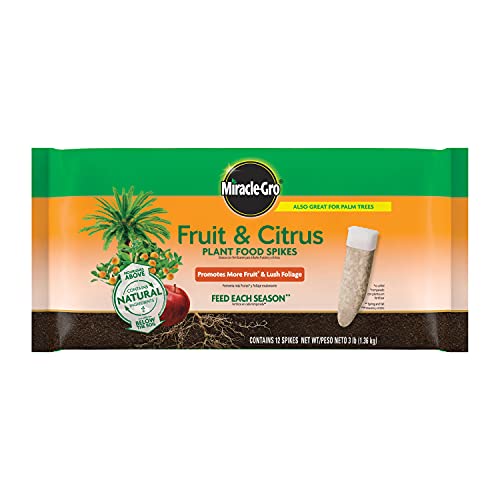
FORMULATED FOR CITRUS AND FRUIT TREES: Use these citrus fertilizer spikes on apple, orange, lemon, lime, and avocado trees; this formula is also great for feeding palm trees

Let our professionally formulated plant food help your citrus tree grow healthy, strong AND abundantly producing

Package contains 4 Pounds organic fruit and citrus fertilizer grains and is produced to avoid wasteful runoff, mess, hazards and smells
Seasonal Care Strategies for Potted Plum Trees
Caring for potted plum trees in Nebraska requires a keen understanding of seasonal changes and their impact on growth. Effective management strategies can help ensure these trees thrive despite the region’s unique wind and soil conditions. This section outlines practical approaches to seasonal care that will support healthy development and fruit production.
Seasonal care is vital for the health of plum trees in pots. Different seasons require specific attention to ensure optimal growth and fruiting. Here’s a seasonal care guide:
Spring: Fertilize and prune to encourage new growth.
Summer: Monitor for pests and ensure adequate watering.
Fall: Prepare for winter by reducing watering and adding mulch.
Winter: Protect pots from freezing temperatures by wrapping them or moving them indoors.
Always monitor for pests and diseases, as they can quickly affect the health of your plum trees.
Strategies for Potted Plum Tree Care
Caring for potted plum trees in Nebraska requires specific strategies to address the unique challenges posed by the region’s wind and soil conditions. Understanding how to manage these factors is essential for ensuring healthy growth and fruitful yields. The following strategies will help you cultivate robust plum trees in containers, optimizing their potential despite environmental constraints.
Managing plum trees in pots in Nebraska involves understanding wind protection, soil management, and seasonal care. Implementing these strategies ensures healthy growth and fruitful yields.
