

Growing persimmon trees in Hawaii can yield a bountiful harvest if done correctly. The tropical climate provides ideal conditions, but specific care and techniques are essential for success.
Choosing Ideal Persimmon Varieties for Hawaii
Choosing the right persimmon variety is crucial for successful cultivation in Hawaii. The Fuyu and Hachiya varieties are popular choices due to their adaptability to tropical climates. Fuyu produces non-astringent fruit that can be eaten while firm, while Hachiya is astringent until fully ripe. Both varieties thrive in warm temperatures and well-drained soil.
| Variety | Astringency | Harvest Time | Flavor Profile |
|---|---|---|---|
| Fuyu | Non-astringent | Late Fall | Sweet and crunchy |
| Hachiya | Astringent | Early Winter | Soft and sweet |
Site Preparation for Persimmon Cultivation
Proper site preparation ensures optimal growth for your persimmon trees. Select a location that receives full sunlight for at least six hours daily. The soil should be well-drained and rich in organic matter. Conduct a soil test to determine pH levels; persimmons prefer a slightly acidic to neutral pH.
Clear the area of weeds and debris
Amend the soil with compost or aged manure
Ensure proper drainage by digging holes at least 2 feet deep
Persimmon Tree Planting Best Practices
Planting persimmon trees requires specific techniques for the best results. Space trees at least 15 feet apart to allow for proper air circulation. Dig a hole that is twice the width of the root ball. Place the tree in the hole, ensuring the root collar is level with the soil surface.
Water the tree thoroughly after planting
Apply a layer of mulch to retain moisture
Monitor for pests and diseases
Persimmon Tree Watering and Nutrient Needs
Understanding the watering and nutrient requirements of persimmon trees is crucial for successful cultivation in Hawaii’s unique climate. Proper hydration and nutrient management can significantly influence tree health and fruit production. This section delves into the specific needs of persimmon trees to help you achieve a thriving tropical harvest.
Effective watering and nutrient management are vital for healthy persimmon trees. Young trees require regular watering to establish roots. Once established, trees need less frequent watering, especially during the rainy season.
Water deeply once a week
Use a balanced fertilizer during the growing season
Avoid over-fertilizing to prevent excessive foliage growth
Recommended Products
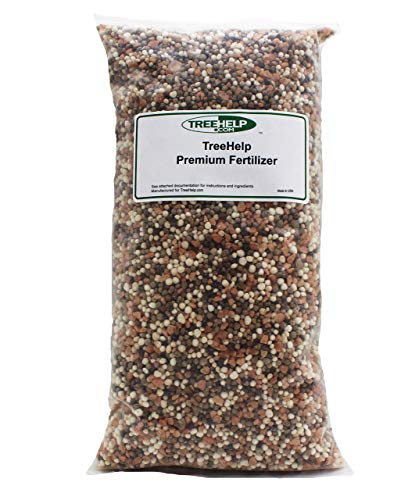
Not Available for Sell in WA, USA

LASTING COLOR: Miracle-Gro Tree & Shrub Plant Food Spikes are fertilizer spikes for trees and shrubs; they promote vibrant color and foliage for trees and shrubs in your yard

Package contains 4 Pounds organic fruit and citrus fertilizer grains and is produced to avoid wasteful runoff, mess, hazards and smells
Persimmon Tree Pest Management Techniques
Effective pest management is crucial for cultivating healthy persimmon trees in Hawaii’s unique tropical environment. This section explores various techniques that can help gardeners protect their trees from common pests, ensuring a bountiful harvest. By implementing these strategies, you can enhance the resilience of your persimmon trees and promote sustainable growth.
Pests and diseases can threaten the health of persimmon trees. Common issues include aphids, spider mites, and fungal infections. Regular monitoring and preventive measures can mitigate these problems.
Inspect leaves regularly for signs of pests
Use insecticidal soap for pest control
Apply fungicides during wet seasons to prevent fungal diseases
Recommended Products
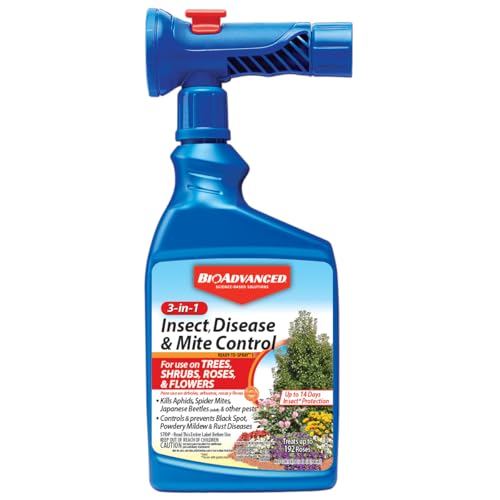
3-in-1 FORMULA: Aphid spray for outdoor plants for use on roses, flowers, shrubs and trees to control listed insects, disease and mites

3-IN-1 PLANT CARE: 3-In-1 Insect, Disease & Plant Mite Control provides insect control, disease control, and plant mite control all in one; Rainproof protection starts in 4 hours and lasts up to 14 days
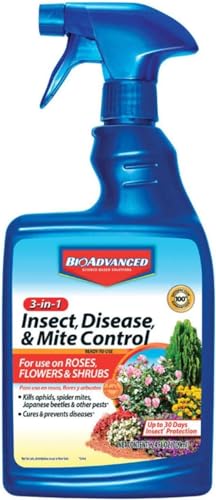
INSECT KILLER: Army worm killer. Also kills insects such as Aphids, Spider Mites, Japanese Beetles, Caterpillars, and other listed insects
Persimmon Harvest Timing for Best Flavor
Harvesting persimmons at the right time is essential for flavor. Fuyu can be picked while still firm, while Hachiya should be fully soft before harvesting. Use pruning shears to cut the fruit from the tree, leaving a small stem attached.
Harvest in late fall for Fuyu
Wait until early winter for Hachiya
Store harvested fruit in a cool, dry place
Persimmon Cultivation Challenges in Hawaii
Growing persimmon trees in Hawaii offers unique opportunities but also presents specific challenges. Factors such as soil conditions, climate variations, and pest management can significantly impact the success of cultivation. Understanding these challenges is crucial for anyone looking to cultivate persimmons in the diverse Hawaiian environment.
Growing persimmon trees in Hawaii comes with its own set of challenges. Factors such as heavy rainfall, pests, and nutrient deficiencies can affect growth. Understanding these challenges allows for proactive management.
Heavy rains can lead to root rot
Pests can damage leaves and fruit
Nutrient deficiencies may cause poor fruit development
Persimmon Care and Harvesting Tips
Caring for persimmon trees in Hawaii requires specific techniques to ensure healthy growth and a bountiful harvest. Understanding the unique climate and soil conditions of the islands will help you optimize your tree care practices. This section offers essential tips for nurturing your persimmons and maximizing their yield, allowing you to enjoy the tropical fruits of your labor.
Growing persimmons in Hawaii requires attention to detail and ongoing care. Regular monitoring for pests, proper watering, and timely harvesting are essential for a successful harvest.
Ensure to choose the right variety and prepare the planting site adequately to maximize your yield.
