

Growing persimmon trees in pots is entirely feasible in Oregon, particularly in the Pacific Northwest. Proper care and attention to specific conditions can yield healthy, fruit-bearing trees even in containers.
Choosing the Ideal Pot for Persimmons
Choosing the appropriate container is crucial for the success of persimmon trees in pots. The container must provide adequate space for roots and drainage to prevent waterlogging. A pot with a diameter of at least 18 inches is recommended to allow for healthy growth.
Recommended Products

Stylish Concrete Planter - Unveil a modern design boasting graceful curves and an authentic surface finish! Enhance your space's allure with this seamless, contemporary masterpiece adorned with visible pores for an enchanting touch of charm.

9EzTropical - Fuyu Asian Persimmon - 2 Feet Tall - Ship in Pot

Plant Size & Type: American persimmon live tree, 6-10 Inch Tall, in Quart Pot, ideal for outdoor garden, yard, or patio planting
Best Container Materials for Persimmons
Choosing the right container material is crucial for successfully growing persimmon trees in pots, especially in Oregon’s unique climate. The material affects drainage, insulation, and overall plant health, making it essential to understand the best options available. This section explores the most effective container materials to ensure your persimmon trees thrive in the Pacific Northwest.
Different materials have unique benefits and drawbacks. Here are some options:
| Material | Pros | Cons |
|---|---|---|
| Plastic | Lightweight, affordable | Less durable |
| Ceramic | Attractive, retains moisture | Heavy, can crack |
| Wood | Natural insulation, good drainage | May rot over time |
| Metal | Durable, modern look | Can overheat roots |
Ensure the container has drainage holes to allow excess water to escape. This prevents root rot, which can be detrimental to the tree’s health.
Optimal Soil Mix for Container Persimmons
Choosing the right soil mix is crucial for the success of persimmon trees in containers, especially in Oregon’s unique climate. A well-balanced blend not only supports healthy growth but also ensures proper drainage and nutrient availability. Understanding the specific requirements of persimmons will help you create an optimal environment for these trees to thrive in pots.
The right soil mix is vital for container-grown persimmons. A well-draining, nutrient-rich soil will support healthy growth and fruit production.
Optimal Soil Mix for PNW Persimmons
When growing persimmon trees in pots in Oregon, selecting the right soil mix is crucial for their health and productivity. The unique climate of the Pacific Northwest requires a blend that promotes drainage while retaining moisture, ensuring that these trees thrive in a container setting. Understanding the optimal soil composition can significantly enhance your chances of successful cultivation.
Consider using a mix of the following:
Potting soil for structure
Perlite for aeration
Compost for nutrients
A ratio of 60% potting soil, 30% perlite, and 10% compost is effective. This blend allows for adequate drainage while providing essential nutrients.
Persimmon Tree Container Watering Strategies
Successfully growing persimmon trees in pots requires careful attention to watering, especially in Oregon’s unique climate. Understanding the specific needs of these trees in containers can significantly impact their health and productivity. This section explores effective watering strategies tailored for persimmon trees, ensuring they thrive in the Pacific Northwest.
Proper watering is essential for the health of persimmon trees in pots. Overwatering can lead to root rot, while underwatering can stress the tree.
Container Watering Techniques for Persimmons
Successfully growing persimmon trees in pots requires careful attention to watering techniques, especially in the unique climate of Oregon. Proper moisture management is crucial for promoting healthy growth and fruit production. This section explores effective watering strategies tailored for containerized persimmons, ensuring they thrive in the Pacific Northwest.
Frequency: Water when the top inch of soil feels dry.
Amount: Ensure water drains from the bottom of the pot.
Seasonal Adjustments: Increase watering during hot summer months.
Maintaining consistent moisture levels is crucial for optimal growth.
Fertilization Strategies for Container Persimmons
Fertilizing container-grown persimmons in Oregon requires a tailored approach to ensure healthy growth and fruit production. Understanding the specific nutrient needs of these trees, along with the unique challenges posed by container gardening in the Pacific Northwest, can significantly enhance their vitality and yield. This section explores effective fertilization strategies to support thriving persimmon trees in pots.
Regular fertilization supports the growth of persimmon trees in containers. A balanced fertilizer can promote healthy foliage and fruit set.
Recommended Products

🌿 Balanced 10-10-10 Granular Fertilizer for Outdoor & Indoor Plants: All-purpose plant food with 10% Nitrogen, 10% Phosphorus, and 10% Potassium. Perfect for outdoor vegetable gardens, fruit trees, evergreens, shrubs, lawns, and flowers. Also great for potted plants and indoor gardening. One solution for all your plant needs!
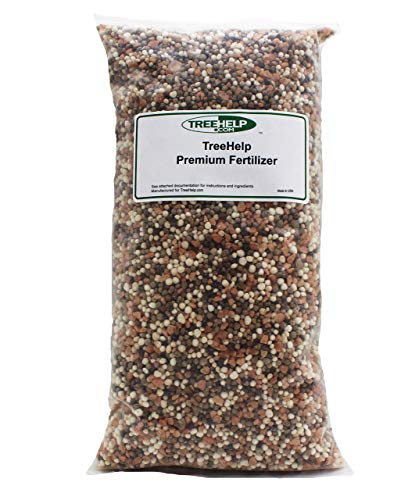
Not Available for Sell in WA, USA

Package contains 9 tree and shrub fertilizer spikes and are produced to avoid wasteful runoff, mess, hazards and smells
Slow-Release Fertilizer Recommendations
When growing persimmon trees in pots in Oregon, selecting the right slow-release fertilizer is crucial for their health and productivity. This section offers tailored recommendations to ensure your container-grown trees receive the nutrients they need throughout the growing season, promoting robust growth and fruiting in the unique Pacific Northwest climate.
Use a slow-release fertilizer with an NPK ratio of 10-10-10 or similar. Apply every 6-8 weeks during the growing season.
Container Care Guidelines for Persimmon Trees
Container care is crucial for the successful growth of persimmon trees in Oregon’s unique climate. Understanding the specific needs of these trees when grown in pots can enhance their health and productivity. This section outlines essential guidelines to ensure your persimmon trees thrive in a container environment.
Follow package instructions for dosage.
Water the tree after fertilizing to help nutrients absorb.
This practice encourages robust growth and fruiting.
Pest Control for Container Persimmons
Managing pests is crucial for the health and productivity of container-grown persimmon trees in Oregon. Given the unique challenges posed by the Pacific Northwest climate, understanding effective pest control strategies can help ensure these trees thrive. This section explores practical methods to protect your persimmons from common pests while fostering a healthy growing environment.
Container-grown persimmons can be susceptible to pests and diseases. Regular monitoring is essential for early detection.
Recommended Products

INSECT KILLER: Fast-acting formula kills listed insects including aphids, Japanese beetles, caterpillars, whiteflies, and other listed pests on contact

KILLS LISTED FRUIT & CITRUS TREE INSECTS: Controls Asian Citrus Psyllid, Whiteflies, Aphids Thrips, Citrus Leafminers, Leafhoppers, Blackfly, Mealybugs, Scales, Avocado Lacebugs, Oriental Beetles, Flea Beetles, Sharpshooters, and Spittlebugs

Control diseases and insects in your garden with Captain Jack’s Fruit Tree Spray Concentrate! Use on a variety of listed fruits, nuts and citrus plants.
Pest Management for Potted Persimmons
Managing pests is crucial for the health of potted persimmon trees in Oregon’s unique climate. This section explores effective strategies and preventive measures to keep common pests at bay, ensuring your container-grown persimmons thrive throughout the growing season. Understanding these pest management techniques will help you maintain vibrant and productive trees in your garden.
Aphids: Use insecticidal soap.
Spider mites: Increase humidity and use neem oil.
Fungal infections: Ensure good air circulation and avoid overhead watering.
Pest Inspection Strategies for Container Trees
Maintaining the health of container-grown persimmon trees in Oregon requires diligent pest inspection strategies. Given the unique challenges posed by the Pacific Northwest climate, understanding how to effectively identify and manage potential pests is crucial for ensuring robust growth and fruit production. This section will explore practical methods to safeguard your trees from common threats.
Inspect leaves regularly for signs of pests.
Maintain proper spacing between plants for airflow.
Taking these steps can help keep your persimmon tree healthy and productive.
Container Persimmon Seasonal Care Strategies
Caring for container-grown persimmon trees in Oregon requires a tailored approach to seasonal changes. Understanding the specific needs of these trees throughout the year can significantly enhance their growth and fruit production. This section outlines essential strategies to ensure your potted persimmons thrive in the Pacific Northwest’s unique climate.
Seasonal changes require adjustments in care for persimmon trees in pots. Understanding these needs can enhance growth and fruit yield.
Container Care for PNW Persimmons
Growing persimmon trees in pots can be a rewarding endeavor, especially in the unique climate of the Pacific Northwest. Understanding the specific care requirements for these trees in containers is essential for successful cultivation. This section will explore effective strategies to ensure your potted persimmons thrive in Oregon’s conditions.
Repot if roots are bound.
Fertilize as new growth begins.
Container Watering Strategies for Hot Weather
In Oregon’s warm summer months, proper watering strategies are essential for maintaining the health of potted persimmon trees. These trees, while adaptable, require specific care to thrive in containers during hot weather. Understanding effective watering techniques can make a significant difference in their growth and fruit production.
Ensure consistent watering during hot spells.
Monitor for pests actively.
Pruning Techniques for PNW Persimmon Trees
Pruning is essential for maintaining the health and productivity of persimmon trees grown in pots, especially in the unique climate of the Pacific Northwest. Understanding the right techniques can enhance fruit quality and encourage robust growth, ensuring your containerized trees thrive. This section delves into effective pruning methods tailored for persimmon trees in Oregon.
Prune to remove dead or overcrowded branches.
Reduce watering as temperatures drop.
Winter Protection for Potted Persimmons
Caring for potted persimmon trees in Oregon requires special attention during the winter months. The Pacific Northwest’s chilly temperatures and wet conditions can pose challenges, making it essential to implement effective protection strategies. Understanding how to safeguard these trees will help ensure their health and productivity in the coming seasons.
Move pots to a sheltered location if temperatures drop below freezing.
Mulch the top of the soil to insulate roots.
Following these seasonal guidelines will help ensure the longevity and productivity of your persimmon trees.
Persimmon Care Guidelines for Container Growth
Growing persimmon trees in pots can be a rewarding endeavor, especially in Oregon’s unique climate. Proper care is essential for ensuring healthy growth and fruit production in containers. The following guidelines will help you navigate the specific needs of persimmons, allowing you to enjoy their vibrant foliage and delicious fruit right from your patio or balcony.
| Aspect | Recommendation |
|---|---|
| Container Size | 18 inches minimum |
| Soil Mix | 60% potting soil, 30% perlite, 10% compost |
| Fertilizer Type | Slow-release 10-10-10 |
| Watering Frequency | When top inch is dry |
| Pest Control | Insecticidal soap for aphids |
Implementing these practices will lead to successful cultivation of persimmon trees in pots throughout Oregon.
