

Growing pear trees in Arkansas can be rewarding with the right soil conditions and care. Understanding local soil characteristics and how to amend them is crucial for successful cultivation.
Arkansas Soil Types for Pear Tree Growth
Arkansas features a variety of soil types, which can significantly impact the growth of pear trees. The most common soil types include clay, sandy loam, and silt loam. Each type has unique properties that affect drainage, nutrient availability, and root development.
Clay Soil: Retains moisture but can become compacted.
Sandy Loam: Drains well and warms quickly but may require more frequent watering.
Silt Loam: Offers good nutrient retention and drainage.
Understanding these soil characteristics will help you choose the right pear tree varieties and care methods.
Recommended Products

Kindly NOTE: This soil tester can not be applied to test pH value of any other liquid. If the soil is too dry the indicator will not move, and water it before testing.

Accurate Soil Moisture Detection: The XLUX Soil Moisture Meter can tell you if the soil deep inside your pot or garden is dry, moist or wet; whereas your eyes and fingers can only determine the moisture level of the soil surface. The probe is 5.5 inches (14 cm) longer than regular styles, allowing it to measure the soil moisture at the bottom of larger and deeper flower pots.

Accurate Soil Moisture Detection: The XLUX Soil Moisture Meter can tell you if the soil deep inside your pot or garden is dry, moist or wet; whereas your eyes and fingers can only determine the moisture level of the soil surface. The probe is 5.5 inches (14 cm) longer than regular styles, allowing it to measure the soil moisture at the bottom of larger and deeper flower pots.
Soil Testing for Pear Tree Success
Understanding the unique soil conditions in Arkansas is crucial for successfully cultivating pear trees. Soil testing provides essential insights into pH levels, nutrient availability, and overall fertility, allowing growers to tailor their care strategies. This section delves into the importance of soil testing and offers guidance on how to effectively assess your soil for optimal pear tree growth.
Conducting a soil test is essential for determining pH and nutrient levels. This process helps you identify any deficiencies that may hinder pear tree growth.
Steps to Conduct a Soil Test
Understanding the soil conditions in Arkansas is crucial for successfully growing pear trees. Conducting a soil test will provide valuable insights into pH levels, nutrient content, and overall soil health. This section outlines the essential steps to effectively perform a soil test, ensuring your pear trees thrive in their local environment.
Collect Soil Samples: Gather samples from multiple locations in your garden.
Mix Samples: Combine samples in a clean container for a representative analysis.
Send for Testing: Use a local agricultural extension service or a commercial lab.
| Soil Property | Ideal Range | Common Issues |
|---|---|---|
| pH Level | 6.0 – 7.5 | Too acidic or alkaline affects nutrient uptake |
| Nitrogen | 20 – 40 ppm | Low levels can stunt growth |
| Phosphorus | 15 – 30 ppm | Essential for root development |
Soil Amendments for Arkansas Pear Trees
When cultivating pear trees in Arkansas, understanding the local soil conditions is crucial for success. Soil amendments can significantly enhance growth and fruit production by addressing nutrient deficiencies and improving drainage. This section explores effective strategies for amending soil to create an optimal environment for thriving pear trees in the region.
Once you receive your soil test results, you can amend your soil to create an ideal environment for pear trees.
Recommended Products

Package contains 6 pounds organic soil de-acidifier grains and is produced to avoid wasteful runoff, mess, hazards and smells

THE IDEAL FERTILIZER SPIKE for all types of Fruit and Citrus trees including Apple, Orange, Lemon, Grapefruit, Mango, and more
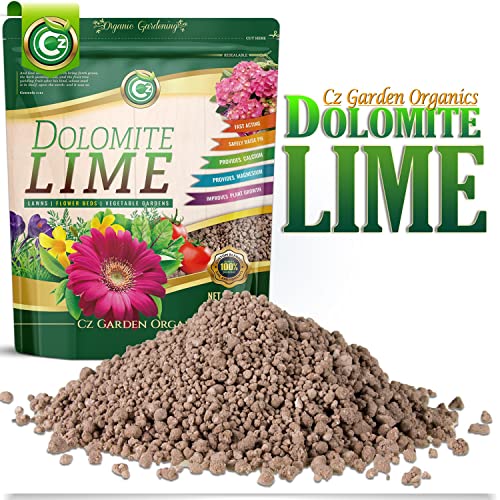
OMRI Listed - Cz Dolomite Lime is an All-Natural mineral fertilizer listed by the Organic Materials Review Institute (OMRI). It may be used in certified organic production or food processing and handling according to the USDA National Organic Program regulations.
Soil Amendments for Arkansas Pear Trees
When cultivating pear trees in Arkansas, understanding the local soil conditions is crucial for success. Soil amendments can significantly enhance the growth and fruit production of these trees by improving nutrient availability and drainage. This section will explore effective amendments tailored to the unique characteristics of Arkansas soil, ensuring optimal health for your pear trees.
Lime: Raises pH for acidic soils.
Sulfur: Lowers pH for alkaline soils.
Compost: Improves nutrient content and soil structure.
Organic Fertilizers: Provide essential nutrients without chemical additives.
Incorporating these amendments can lead to healthier trees and better fruit production.
Best Pear Tree Varieties for Arkansas Soil
Choosing the right pear tree variety is crucial for success in Arkansas’ unique soil conditions. This section highlights the best options that thrive in local environments, ensuring optimal growth and fruit production. By selecting the appropriate varieties, gardeners can enhance their chances of cultivating healthy and productive pear trees.
Selecting the right pear tree variety is crucial for success in Arkansas. Some varieties thrive better in local conditions than others.
Recommended Products


PREMIUM QUALITY | Cold storage and humidity control for keeping the seeds healthy and fresh at all times*.
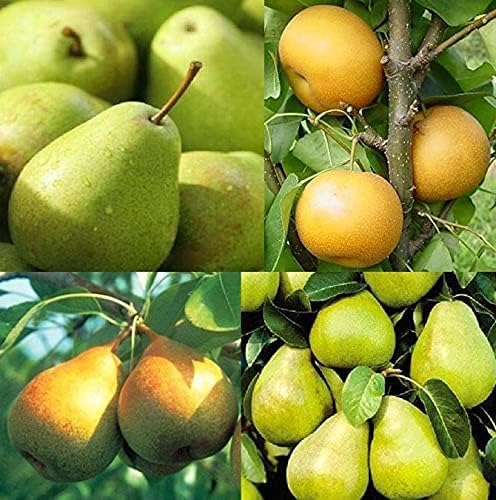
20 Seeds of Mixed Pears, Bartlett, Kieffer, Green Anjou, Red Anjou, Asian Singo Pears Seeds
Top Pear Varieties for Arkansas Soil
When cultivating pear trees in Arkansas, selecting the right variety is crucial for success. The local soil conditions and climate can significantly influence the growth and fruit production of different pear types. Understanding which varieties thrive in Arkansas will help you make informed choices for a fruitful harvest.
Bartlett: Known for its sweet flavor and adaptability.
Kieffer: Resistant to diseases and pests.
Asian Pears: Tolerant of varying soil types and conditions.
These varieties have proven successful in Arkansas, making them ideal choices for local gardeners.
Watering Strategies for Arkansas Pear Trees
Effective watering is crucial for the health and productivity of pear trees in Arkansas, given the region’s unique soil and climate conditions. Understanding the best practices for irrigation can significantly enhance tree growth and fruit yield. This section explores tailored watering strategies to ensure your pear trees thrive in local environments.
Proper watering is essential for the establishment and growth of pear trees. Different stages of growth require different watering techniques.
Watering Strategies for Newly Planted Pear Trees
Establishing newly planted pear trees in Arkansas requires careful attention to watering practices tailored to local soil conditions. Proper hydration is essential for root development and overall tree health, especially during the critical early stages. This section outlines effective watering strategies to ensure your pear trees thrive in the unique Arkansas environment.
Newly Planted Trees: Water deeply once a week for the first month.
Established Trees: Water every 10-14 days during dry spells.
Mulching: Apply a 2-4 inch layer of mulch to retain moisture.
Overwatering can lead to root rot, while underwatering can stress the tree. Monitor soil moisture regularly.
Pest Control Techniques for Pear Trees
Effective pest control is essential for maintaining healthy pear trees in Arkansas, where local soil conditions can influence pest populations. Understanding the specific threats to these trees and implementing targeted strategies can help ensure a bountiful harvest. This section explores various techniques tailored to the unique challenges faced by pear growers in the region.
Pests and diseases can threaten the health of your pear trees. Early detection and management are key to maintaining a healthy orchard.
Pests and Diseases Affecting Pear Trees
Understanding the pests and diseases that can impact pear trees is crucial for successful cultivation in Arkansas. Local conditions can foster specific threats, making it essential for growers to recognize and manage these challenges effectively. This section explores common issues that may arise, along with strategies to protect and maintain healthy pear trees in the region.
Pear Psylla: Affects foliage and fruit quality.
Fire Blight: A bacterial disease that can kill branches.
Codling Moth: Infests fruit and can cause significant damage.
Implementing integrated pest management strategies can help control these issues effectively.
Planting Pear Trees in Arkansas Soil
Planting pear trees in Arkansas requires an understanding of the local soil conditions to ensure successful growth. The unique climate and soil types in the region can significantly influence the health and productivity of your trees. This section will provide essential tips for selecting the right planting techniques and soil amendments to optimize your pear tree cultivation.
Timing and location are crucial when planting pear trees. Proper planning ensures better growth and fruit production.
Best Planting Seasons for Arkansas Pear Trees
Understanding the optimal planting seasons for pear trees in Arkansas is crucial for ensuring their successful growth. The region’s unique climate and soil conditions can significantly impact the health and yield of these trees. This section will explore the best times to plant pear trees, allowing local gardeners to maximize their chances of success.
Best Planting Time: Early spring or fall is ideal for planting.
Spacing: Allow 15-20 feet between trees for optimal air circulation.
Sunlight: Choose a location with full sun exposure for at least six hours a day.
Following these guidelines will enhance your chances of a successful harvest.
Best Practices for Arkansas Pear Tree Growth
Growing pear trees in Arkansas requires an understanding of the local soil and climate conditions. Implementing best practices tailored to the region can significantly enhance tree health and fruit yield. This section outlines essential strategies for successful pear tree cultivation in Arkansas, ensuring gardeners can maximize their efforts and enjoy a fruitful harvest.
Growing pear trees in Arkansas requires attention to soil conditions, watering, and pest management. Adapting your practices to local conditions will yield the best results.
