

Growing pear trees in pots in Texas is achievable with the right care and conditions. Choose suitable dwarf varieties and provide proper soil, sunlight, and watering to ensure healthy growth and fruit production.
Choosing Dwarf Pear Tree Varieties for Texas
Choosing the right pear tree variety is crucial for successful pot cultivation in Texas. Dwarf varieties like Bartlett and Kieffer thrive in containers and are more manageable for home gardeners. These trees typically reach a height of 4 to 6 feet, making them suitable for potting. Consider the following factors when selecting your variety:
Climate Adaptability: Ensure the variety can withstand Texas heat.
Fruit Type: Decide between Asian and European pears based on taste preference.
Pollination Needs: Some varieties require cross-pollination for fruiting.
Top Dwarf Pear Varieties for Texas Pots
When selecting dwarf pear varieties for pot cultivation in Texas, it’s essential to consider factors like climate adaptability and growth habits. The right choice can lead to a fruitful harvest while ensuring your trees thrive in a limited space. Here are some of the top varieties that flourish in Texas pots, perfect for both novice and experienced gardeners.
| Variety | Fruit Type | Pollination Requirement | Height |
|---|---|---|---|
| Bartlett | European | Self-pollinating | 4-6 ft |
| Kieffer | Asian | Requires pollinator | 4-6 ft |
| Harrow Sweet | European | Self-pollinating | 5-7 ft |
| Seckel | European | Self-pollinating | 4-6 ft |
Pot and Soil Preparation for Pear Trees
Proper preparation of the pot and soil is essential for healthy pear trees. Use a container that is at least 18 inches wide and deep to allow for root growth. Ensure the pot has drainage holes to prevent waterlogging. The soil should be well-draining and rich in organic matter. A mix of potting soil and compost will provide the necessary nutrients.
Recommended Products

INDOOR GROWING: Growing indoors is easy under the right conditions; Miracle-Gro Houseplant Potting Mix is an indoor plant potting soil that combines key elements container plants need to thrive
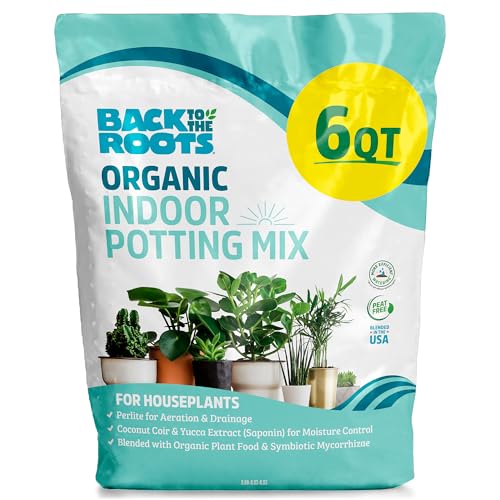
Includes 6qt of Back to the Roots Indoor Potting Mix. Our Potting Mix contains organic yucca extract that aids in retaining moisture in the soil which keeps your indoor plants happy and healthy

Enhanced Growth Benefits: Supports optimal plant health with superior aeration, effective drainage, excellent nutrient retention, and a balanced pH – everything citrus plants need to thrive.
Optimal Soil Blend for Potted Pears
Choosing the right soil blend is crucial for the health and productivity of potted pear trees in Texas. The unique climate and conditions of the Lone Star State require a specific mix that promotes drainage, aeration, and nutrient retention. Understanding these soil requirements will help ensure your pear trees thrive in their containers.
| Component | Purpose |
|---|---|
| Potting Soil | Base for root growth |
| Compost | Nutrient enrichment |
| Perlite or Sand | Improves drainage |
Pear Tree Watering and Fertilizing Strategies
Watering and fertilizing your pear tree correctly will promote growth and fruit production. Ensure the soil remains consistently moist but not soggy. During the growing season, apply a balanced fertilizer every 4-6 weeks. Reduce watering in the winter months when the tree is dormant.
Recommended Products
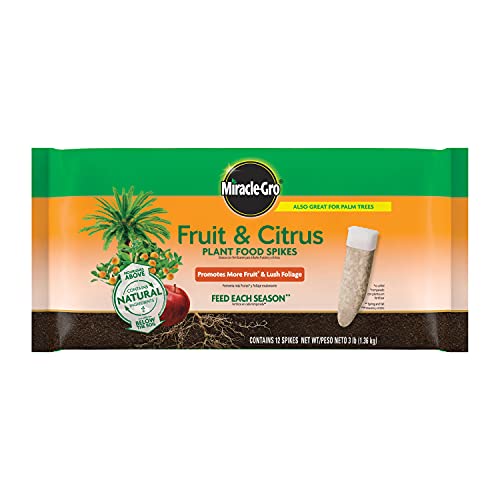
FORMULATED FOR CITRUS AND FRUIT TREES: Use these citrus fertilizer spikes on apple, orange, lemon, lime, and avocado trees; this formula is also great for feeding palm trees

Made for Lemon & Citrus Trees – Formulated to support healthy growth in lemon and citrus plants.

BIGGER PLANTS: Miracle-Gro Water Can Singles All Purpose Plant Food is a water soluble plant fertilizer that grows plants twice as big (vs unfed plants)
Pot Watering Frequency for Texas Pears
Understanding the watering frequency for pear trees in pots is crucial for their health, especially in Texas’s unique climate. This section delves into the specific needs of potted pear trees, offering insights on how often to water them to ensure optimal growth and fruit production. Proper hydration is key to thriving pear trees in the Lone Star State.
Frequency: Water every 7-10 days in summer.
Amount: Ensure 1-2 inches of water per week.
Signs of Overwatering: Yellowing leaves and root rot.
Pot Fertilization Timeline for Pear Trees
Understanding the optimal fertilization timeline is crucial for ensuring healthy growth and fruit production in potted pear trees in Texas. This section outlines the specific timing and types of fertilizers that will best support your trees throughout the growing season, helping you achieve a thriving and productive garden.
| Month | Fertilizer Type | Application Rate |
|---|---|---|
| March | Balanced 10-10-10 | 1 cup per tree |
| June | Balanced 10-10-10 | 1 cup per tree |
| September | Low-nitrogen fertilizer | 1/2 cup per tree |
Pruning Techniques for Texas Pear Trees
Regular pruning is vital for maintaining the shape and health of your pear tree. Prune in late winter before new growth begins. Focus on removing dead or crossing branches to improve air circulation. This practice encourages better fruit production and reduces disease risks.
Pruning Techniques for Potted Pear Trees
Pruning is essential for maintaining the health and productivity of potted pear trees in Texas. Proper techniques not only encourage robust growth but also enhance fruit quality and tree shape. This section will explore effective pruning strategies tailored for the unique conditions of growing pear trees in pots within the Lone Star State.
Remove Dead Wood: Cut back to healthy tissue.
Thin Crowded Branches: Maintain an open center for light penetration.
Shape the Tree: Aim for a balanced structure.
Pest and Disease Management for Pear Trees
Pest and disease management is essential for the health of your pear tree. Common issues include aphids, spider mites, and fungal infections. Regularly inspect your tree for signs of infestation or disease. Use organic pesticides or neem oil as a preventive measure.
Recommended Products
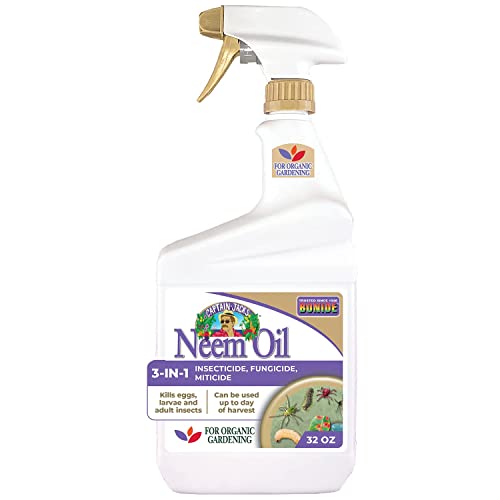
Protect your oasis with 3 garden products in 1 from Captain Jack’s; Bonide Captain Jack’s Ready-to-Use Neem Oil spray for plants is a multi-purpose fungicide, insecticide and miticide for your lawn & garden

PLANT DISEASE CONTROL: Natria Neem Oil acts as an insecticide and fungicide in one convenient spray; Ready-to-use trigger sprayer requires no mixing

FUNGAL DISEASE CONTROL: Prevents and controls black spot on roses, powdery mildew, rust, downy mildew, and other listed fungal diseases when applied on a 7–14 day schedule
Pest Management Strategies for Potted Pears
Managing pests effectively is crucial for the health of potted pear trees in Texas. This section outlines practical strategies tailored to the unique challenges posed by the state’s climate and common pests. By implementing these techniques, you can ensure your potted pears thrive and produce abundant fruit.
| Pest | Symptoms | Control Method |
|---|---|---|
| Aphids | Curling leaves | Insecticidal soap |
| Spider Mites | Webbing on leaves | Neem oil spray |
| Fungal Infections | Leaf spots | Copper fungicide |
Successful Potting Strategies for Pear Trees
Successfully potting pear trees in Texas requires careful attention to the unique climate and soil conditions of the region. This section outlines effective strategies to ensure your potted pear trees thrive, focusing on soil selection, pot size, and watering techniques tailored for the Lone Star State’s environment. Implementing these methods will help you cultivate healthy and productive pear trees.
Ensure your pear tree receives at least 6-8 hours of sunlight daily. Rotate the pot periodically to promote even growth. Be mindful of temperature fluctuations and protect your tree during extreme weather.
Planting pear trees in pots can yield delicious fruit while enhancing your garden’s aesthetics. Proper selection, care, and management will lead to a thriving tree in the heart of Texas.
