

Cherry trees can grow successfully in Sacramento, CA, provided the right conditions are met. The climate, soil type, and proper care are crucial for thriving cherry trees in this region.
Sacramento Climate Conditions for Cherry Trees
Understanding the climate conditions in Sacramento is crucial for successfully growing cherry trees. This region’s unique weather patterns, including temperature ranges and rainfall, play a significant role in determining whether these trees can thrive. By examining these factors, potential cherry tree growers can make informed decisions about planting and care.
Sacramento experiences a Mediterranean climate characterized by hot, dry summers and mild, wet winters. This climate is generally favorable for cherry trees, which prefer well-drained soil and full sun exposure. However, specific varieties are better suited for local conditions.
Consider these factors for optimal growth:
Temperature: Cherry trees require a certain number of chilling hours during winter.
Sunlight: Full sun is essential for fruit production.
Frost Risk: Late frosts can damage blossoms.
Recommended Products
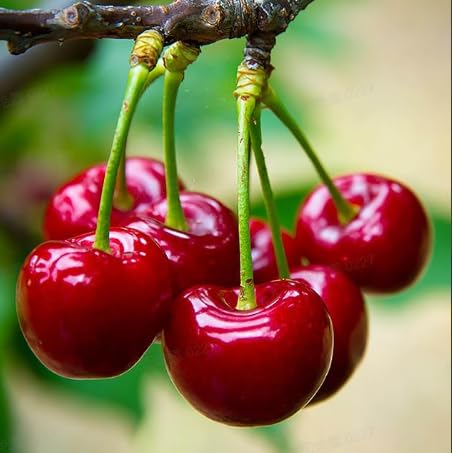
Basic Seed Attributes & Planting Scenarios: 20 Pcs Cherry Tree Seeds, non-GMO heirloom variety, with sweet and tender juicy fruits, suitable for home garden cultivation, and can be planted both indoors and outdoors.

Seed Cherry Tree Fruit Tree Seed for Planting Outdoor-Non-GMO Heirloom Sweet Juicy Fruits Plant in Your Home Garden

🌳 Compact Growth: Reaches a mature height of approximately 12 feet, suitable for small gardens or container planting.
Best Cherry Tree Varieties for Sacramento Climate
When selecting cherry trees for Sacramento’s unique climate, it’s essential to consider varieties that thrive in the region’s warm summers and mild winters. The right choice can lead to a bountiful harvest and beautiful blooms, enhancing both your garden and local ecosystem. This section highlights the best cherry tree varieties suited for optimal growth in Sacramento.
Selecting the right cherry tree variety is essential for success. Some varieties thrive better in the Sacramento climate than others. Here are some recommended options:
| Variety | Features | Best Uses |
|---|---|---|
| Bing | Sweet, dark red fruit | Fresh eating |
| Rainier | Yellow-red, sweet fruit | Fresh eating, desserts |
| Stella | Self-pollinating, sweet | Fresh eating, canning |
| Black Tartarian | Dark, sweet fruit | Fresh eating, preserves |
Cherry Tree Soil Preparation Techniques
Preparing the right soil is essential for the successful growth of cherry trees in Sacramento’s unique climate. Understanding the specific soil requirements and techniques can significantly enhance the health and productivity of your trees. This section explores effective methods to prepare your soil for optimal cherry tree cultivation.
Proper soil preparation is vital for healthy cherry trees. The soil should be well-draining and rich in organic matter. Here are steps to prepare the soil:
Test Soil pH: Aim for a pH between 6.0 and 7.0.
Amend Soil: Add compost or well-rotted manure to improve fertility.
Ensure Drainage: If the soil retains water, consider raised beds.
Cherry Tree Watering and Fertilization Guidelines
Understanding the proper watering and fertilization techniques is crucial for the successful growth of cherry trees in Sacramento’s unique climate. With the right approach, you can ensure your trees thrive and produce abundant fruit. This section outlines essential guidelines to help you cultivate healthy cherry trees in your garden.
Cherry trees require consistent watering, especially during dry spells. However, overwatering can lead to root rot. Follow these guidelines:
Watering Frequency: Water deeply once a week during dry periods.
Mulching: Apply a layer of mulch to retain moisture.
Fertilization Schedule: Use a balanced fertilizer in early spring.
Cherry Tree Pest and Disease Prevention Strategies
Maintaining the health of cherry trees in Sacramento requires vigilance against pests and diseases that can threaten their growth. Understanding the common issues that affect these trees and implementing effective prevention strategies is essential for ensuring their vitality and fruit production. This section explores practical approaches to safeguard your cherry trees from potential threats.
Pests and diseases can threaten cherry tree health. Regular monitoring and preventive measures are essential. Common issues include:
Aphids: Can cause leaf curling. Use insecticidal soap for control.
Brown Rot: A fungal disease affecting fruit. Remove affected fruits and improve air circulation.
Cherry Fruit Fly: Traps can help manage this pest.
Implement integrated pest management strategies to minimize chemical use.
Cherry Tree Pruning Techniques for Health
Pruning is essential for maintaining the health and vitality of cherry trees, especially in Sacramento’s unique climate. Understanding the right techniques can enhance fruit production and promote overall tree longevity. This section delves into effective pruning strategies tailored to the needs of cherry trees in the region.
Pruning is crucial for maintaining the health and productivity of cherry trees. Proper techniques can enhance air circulation and sunlight penetration. Here are key pruning steps:
Timing: Prune during late winter or early spring before new growth.
Remove Dead Wood: Cut away any dead or diseased branches.
Thin Out Crowded Branches: This promotes better airflow.
Cherry Tree Care Monitoring Techniques
Effective care and monitoring are essential for the successful growth of cherry trees in Sacramento’s unique climate. Understanding the specific needs of these trees, from watering schedules to pest management, can significantly enhance their health and productivity. This section explores practical techniques to ensure your cherry trees thrive in the region.
Regular monitoring of your cherry trees will help you identify any issues early. Adjust care practices based on observed conditions.
Do not neglect the importance of annual soil testing to maintain optimal growing conditions.
Recommended Products
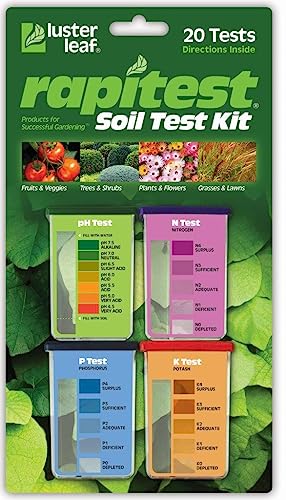
Quick, at home results for Soil pH, Nitrogen, Phosphorous and Potash Innovative and inexpensive soil test kit features an easy-to-use capsule system and patented color comparators

KNOW BEFORE YOU GROW | Grow the healthiest, sustainable lawn and garden with the most accurate and easy to use professional soil test kit on the market

Kindly NOTE: This soil tester can not be applied to test pH value of any other liquid. If the soil is too dry the indicator will not move, and water it before testing.
Cherry Tree Cultivation Tips for Sacramento
Growing cherry trees in Sacramento can be a rewarding endeavor, but it requires attention to the region’s unique climate and soil conditions. This section provides essential tips for successfully cultivating cherry trees, ensuring they thrive in the warm, Mediterranean environment of California’s capital. From selecting the right varieties to proper care techniques, these insights will help you achieve a fruitful harvest.
Growing cherry trees in Sacramento can be rewarding with the right approach. By selecting suitable varieties, preparing the soil, and maintaining proper care, you can enjoy a fruitful harvest.
Recommended Products
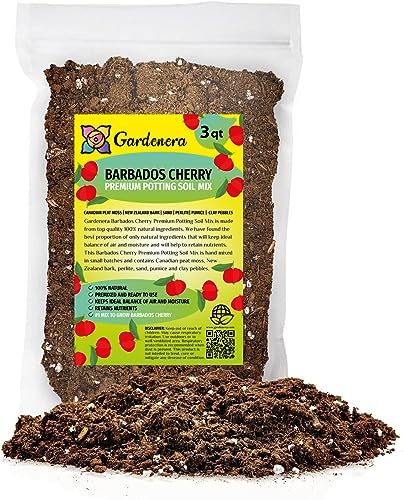
🍒 Barbados Cherry Brilliance: Elevate your Barbados Cherry plant care with Gardenera's meticulously crafted Barbados Cherry Potting Mix, tailored to enhance the natural beauty and vitality of your plants.

Down to Earth Fruit Tree is a five pound box of all natural fertilizer with 6-2-4 formula and is listed by the Organic Materials Review Institute (OMRI) for use in organic production
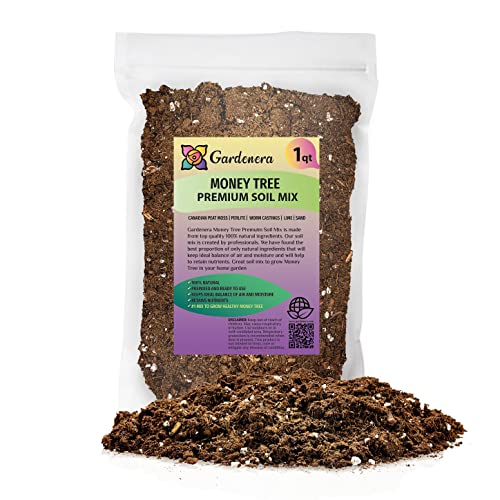
🌳 PROFESSIONALLY MIXED IN THE USA - Each bag is hand blended on our small family farm with premium horticultural grade ingredients: Canadian Peat Moss, Perlite, Worm Castings, Lime, Sand.
