

Cherry trees can thrive in Portland, OR, with the right planting strategies. The Pacific Northwest climate, characterized by mild temperatures and ample rainfall, supports various cherry tree species, making it feasible to cultivate them successfully.
Choosing Cherry Varieties for Portland Climate
Different cherry tree varieties adapt uniquely to Portland’s climate. Sweet cherries, like Bing and Rainier, prefer warmer conditions, while sour cherries, such as Montmorency, are more tolerant of cooler temperatures. Assessing your garden’s specific conditions will help you choose the best variety.
| Cherry Variety | Type | Ideal Conditions |
|---|---|---|
| Bing | Sweet | Full sun, well-drained soil |
| Rainier | Sweet | Full sun, slightly acidic soil |
| Montmorency | Sour | Full sun, well-drained soil |
| Lapins | Sweet | Full sun, drought-tolerant |
Recommended Products


25 Dwarf Cherry Bonsai Tree Seeds

PREMIUM DARK SWEET CHERRIES: Whole dark sweet cherries, pitted and packed in their own cherry juice with Jacobsen Sea Salt for a clean, fruit-forward garnish with sweet-savory finish and firm bite that holds up in cocktails
Ideal Cherry Tree Planting Spots
When considering cherry trees in Portland, OR, selecting the right planting spot is crucial for their growth and fruit production. The unique climate and soil conditions of the Pacific Northwest can significantly influence the success of these trees. This section explores the most suitable locations for planting cherry trees in the region.
Choosing the right location is crucial for cherry tree success. Look for areas that receive full sun for at least six hours daily.
Ensure the soil is well-drained to prevent root rot. Avoid low-lying areas where frost can settle, as this can damage blossoms.
Cherry Tree Soil Amendment Practices
To successfully cultivate cherry trees in Portland, OR, understanding soil amendment practices is crucial. The right soil conditions can significantly enhance growth and fruit production. This section delves into effective strategies for amending soil to create an optimal environment for cherry trees in the Pacific Northwest.
Proper soil preparation enhances cherry tree growth. Test the soil pH to ensure it falls between 6.0 and 7.0. Amend the soil with organic matter, such as compost, to improve drainage and nutrient content.
Test soil pH
Add compost or well-rotted manure
Ensure proper drainage
Cherry Tree Planting Techniques for Portland
When considering cherry trees for your Portland garden, understanding the local climate and soil conditions is essential. Effective planting techniques can enhance growth and ensure vibrant blooms. This section explores specific strategies tailored for successfully establishing cherry trees in the unique environment of the Pacific Northwest.
Planting cherry trees requires careful attention to detail. Dig a hole twice the width of the root ball and the same depth.
Place the tree in the center and backfill with soil, ensuring the root crown is level with the ground. Water thoroughly after planting.
Recommended Products

9 Fruit Seeds Packed: 200pcs strawberry seeds (Common Name for Fragaria × ananassa), 200pcs raspberry seeds (Common Name for Rubus idaeus), 100pcs mulberry seeds (Common Name for Morus), 30pcs apple seeds (Common Name for Malus)

Grow one of Washington D.C.'s iconic cherry trees from seed!

Package: 5 Individual Packs, 40+ Lemon Tree Seeds 40+ Cherry Tree Seeds 40+ Orange Tree Seeds 40+ Apple Seeds 20+ Blueberry Seeds
Healthy Cherry Tree Selection Tips
Selecting the right cherry tree is essential for successful growth in Portland’s unique climate. Understanding the specific varieties that thrive in the Pacific Northwest, along with their care requirements, can significantly enhance your gardening experience. Here are some practical tips to help you choose healthy cherry trees for your landscape.
Select a healthy tree from a reputable nursery.
Dig a hole twice the width of the root ball.
Place the tree in the hole, ensuring the root crown is level.
Backfill with soil and water thoroughly.
Apply mulch around the base to retain moisture.
Cherry Tree Watering and Fertilization Techniques
Proper watering and fertilization are crucial for the health and growth of cherry trees in Portland, Oregon. Given the region’s unique climate and soil conditions, employing effective techniques can significantly enhance tree vitality and fruit production. This section explores the best practices for maintaining optimal moisture levels and nutrient balance for cherry trees in the Pacific Northwest.
Proper watering and fertilization are vital for cherry tree health. Water young trees deeply once a week during dry spells. Use a balanced fertilizer in early spring to promote growth and fruit production.
Recommended Products
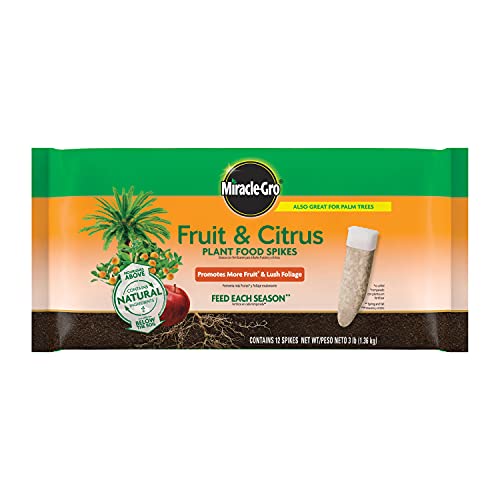
FORMULATED FOR CITRUS AND FRUIT TREES: Use these citrus fertilizer spikes on apple, orange, lemon, lime, and avocado trees; this formula is also great for feeding palm trees

🌱 Strengthen CHERRY TREE Stalks & Prevent Breakage: Our silica formula reinforces plant cell walls, making stems and branches thick, tough, and resistant to breakage. Perfect for cherry tree plants.

Let our professionally formulated plant food help your fruit tree grow healthy, strong AND abundantly producing
Deep Watering Techniques for Cherry Trees
Deep watering techniques are essential for nurturing cherry trees in Portland’s unique climate. Proper hydration ensures robust growth and fruit production, especially given the region’s variable rainfall. Understanding these methods will help gardeners provide the optimal conditions for their cherry trees to thrive.
Water deeply once a week
Adjust frequency based on rainfall
Avoid overhead watering to reduce disease risk
Balanced Fertilizer Application for Cherry Trees
When cultivating cherry trees in Portland, OR, understanding the importance of balanced fertilizer application is crucial for optimal growth and fruit production. This section will explore effective strategies for providing the right nutrients, ensuring your cherry trees thrive in the unique conditions of the Pacific Northwest. Proper fertilization can significantly impact both the health and yield of your trees.
Apply a balanced fertilizer in early spring
Follow package instructions for application rates
Avoid over-fertilizing to prevent excessive foliage growth
Pest Control Techniques for Cherry Trees
Maintaining the health of cherry trees in Portland requires effective pest control techniques tailored to the region’s unique climate and ecosystem. This section explores various strategies that can help protect these trees from common pests, ensuring they thrive and produce fruit in the Pacific Northwest. Understanding these methods is essential for successful cherry tree cultivation.
Cherry trees are susceptible to various pests and diseases. Regular monitoring can help detect issues early. Implement integrated pest management practices to minimize chemical use.
Cherry Tree Pests and Treatment Options
Cherry trees in Portland, Oregon, can be susceptible to various pests that threaten their health and fruit production. Understanding these pests and exploring effective treatment options is crucial for successful cultivation in the Pacific Northwest. This section delves into common cherry tree pests and provides practical solutions for managing them.
| Pest/Disease | Symptoms | Treatment |
|---|---|---|
| Aphids | Curling leaves | Insecticidal soap |
| Cherry fruit fly | Damaged fruit | Traps and insecticides |
| Powdery mildew | White powdery spots | Fungicides and pruning |
Cherry Harvest Timing and Techniques
Understanding the optimal timing and techniques for harvesting cherries is crucial for maximizing yield and flavor in Portland’s unique climate. This section delves into the best practices for cherry harvest, including indicators of ripeness and methods to ensure fruit quality. By following these guidelines, local growers can enjoy a bountiful cherry season.
Timing is key when harvesting cherries. Sweet cherries should be picked when fully ripe, while sour cherries can be harvested slightly under-ripe for baking. Handle fruit gently to avoid bruising.
Cherry Tree Harvesting Guidelines
Harvesting cherry trees in Portland requires attention to timing and technique to ensure the best fruit quality. Understanding when to pick and how to handle the cherries post-harvest can significantly impact their flavor and longevity. This section outlines essential guidelines for successfully harvesting cherries in the Pacific Northwest.
Check for color and firmness
Use pruning shears to cut stems
Store cherries in a cool place
Harvesting too early can affect flavor and texture.
Year-Round Cherry Tree Maintenance Tips
Maintaining cherry trees in Portland requires attention throughout the year to ensure healthy growth and fruitful yields. From seasonal pruning to pest management, understanding the specific needs of these trees in the Pacific Northwest climate can enhance their resilience and productivity. The following tips will guide you in caring for your cherry trees effectively all year round.
Ongoing care throughout the seasons ensures healthy growth. Prune trees in late winter to promote air circulation and remove dead wood. Monitor for pests and diseases regularly.
Spring Fertilization and Pest Monitoring
Spring is a crucial time for cherry trees in Portland, as proper fertilization and vigilant pest monitoring can significantly influence their health and productivity. Understanding the unique challenges of the Pacific Northwest climate will help ensure these trees thrive, providing a bountiful harvest in the warmer months. Effective strategies during this season lay the groundwork for successful growth.
Spring: Fertilize and monitor for pests
Summer: Water and check for diseases
Fall: Prepare for winter and prune
Winter: Protect trees from frost
Neglecting seasonal care can lead to poor fruit production.
