

Growing pear trees in pots in Kansas requires specific strategies to protect them from wind and heat. Utilizing proper pot selection and positioning can significantly enhance their growth and fruit production.
Choosing the Ideal Pot Size for Pear Trees
Choosing the appropriate pot is crucial for the health of pear trees. A pot that is too small restricts root growth and leads to stress. Conversely, a pot that is too large may retain excess moisture, increasing the risk of root rot.
Consider these factors when selecting a pot:
Material: Clay pots allow for better air circulation but may dry out quickly. Plastic pots retain moisture but can overheat.
Size: A minimum of 15-20 gallons is recommended for mature trees.
Drainage: Ensure the pot has adequate drainage holes to prevent water accumulation.
| Pot Material | Air Circulation | Moisture Retention | Ideal Size |
|---|---|---|---|
| Clay | High | Low | 15-20 gallons |
| Plastic | Low | High | 15-20 gallons |
| Fabric | Moderate | Moderate | 15-20 gallons |
Optimal Pot Placement for Weather Protection
When growing pear trees in pots in Kansas, the placement of the pots is crucial for protecting them from harsh weather conditions. Proper positioning can shield the trees from strong winds and intense heat, ensuring their health and productivity. Understanding the best locations for your pots will enhance your success in cultivating these fruit-bearing trees.
The location of your pear tree pot is vital for shielding it from harsh weather conditions. Wind can cause physical damage, while intense heat can lead to dehydration.
Follow these guidelines for optimal positioning:
Sheltered Areas: Place pots near walls or fences to reduce wind exposure.
Sunlight: Ensure the tree receives at least 6 hours of sunlight daily, but avoid direct afternoon sun during peak summer.
Elevation: Elevate pots slightly to improve drainage and airflow.
Windbreak Strategies for Potted Pear Trees
Potted pear trees in Kansas face unique challenges due to wind and heat, which can hinder their growth and fruit production. Implementing effective windbreak strategies is essential for protecting these trees from harsh environmental conditions. This section explores various methods to create a sheltered environment that promotes healthy development and resilience in potted pear trees.
Wind can severely impact the growth of pear trees in pots. Implementing windbreaks can provide necessary protection.
Consider these options:
Natural Barriers: Use existing trees or shrubs as windbreaks.
Artificial Barriers: Install fences or screens to redirect wind flow.
Weighted Bases: Use heavier pots or add weights to prevent tipping.
Cooling Strategies for Potted Pear Trees
Potted pear trees in Kansas face unique challenges due to the region’s fluctuating temperatures and strong winds. Implementing effective cooling strategies is essential for their health and productivity. This section explores various methods to protect these trees from heat stress while ensuring they thrive in their containers.
Heat stress can lead to wilting and reduced fruit production in pear trees. Implementing cooling strategies can mitigate these effects.
Use these methods:
Mulching: Apply organic mulch around the base to retain moisture and regulate soil temperature.
Watering Schedule: Water deeply and consistently, especially during hot spells. Aim for early morning or late evening.
Shade Cloth: Use shade cloth during extreme heat to reduce direct sunlight exposure.
Fertilization Strategies for Potted Pear Trees
Successful growth of potted pear trees in Kansas requires careful attention to fertilization strategies that cater to their unique needs. Given the challenges posed by wind and heat, understanding the right nutrients and application methods can significantly enhance tree health and fruit production. This section explores effective fertilization techniques to ensure robust growth and resilience in potted pear trees.
Proper fertilization enhances the health and productivity of pear trees in pots. Nutrient deficiencies can lead to poor fruit quality and tree vigor.
Follow these fertilization tips:
Type of Fertilizer: Use a balanced, slow-release fertilizer specifically designed for fruit trees.
Application Frequency: Fertilize every 4-6 weeks during the growing season.
Soil Testing: Conduct soil tests to determine nutrient needs and adjust fertilization accordingly.
| Fertilizer Type | Application Rate | Frequency |
|---|---|---|
| Slow-release | 1-2 cups per pot | Every 4-6 weeks |
| Organic | Follow package instructions | Every 6-8 weeks |
Pest and Disease Management for Potted Pears
Managing pests and diseases is crucial for the health of potted pear trees in Kansas, where environmental conditions can pose unique challenges. Understanding the common threats these trees face and implementing effective control strategies will help ensure robust growth and fruitful harvests. This section explores the best practices for maintaining the vitality of your potted pears.
Regular monitoring is essential for maintaining the health of pear trees in pots. Pests and diseases can quickly impact tree vitality.
Keep an eye out for:
Common Pests: Aphids, spider mites, and scale insects.
Diseases: Fungal infections like powdery mildew and root rot.
Signs of Stress: Wilting leaves, discoloration, or stunted growth.
Recommended Products
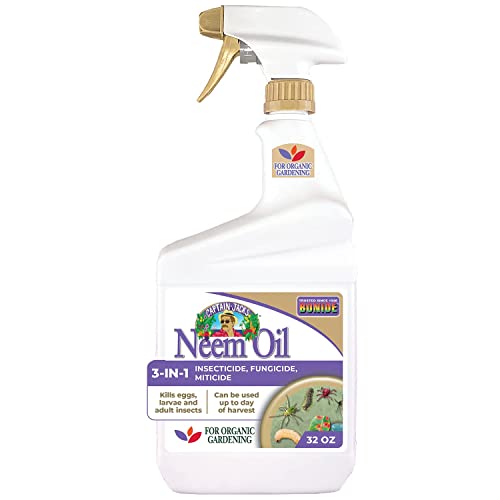
MULTI-PURPOSE BUG KILLER - Bonide Neem Oil is a perfect pest control solution for any garden dealing with mites, flies, mildew, and more. This product is a three-in-one fungicide, miticide, and insecticide.

PLANT DISEASE CONTROL: Natria Neem Oil acts as an insecticide and fungicide in one convenient spray; Ready-to-use trigger sprayer requires no mixing

Protect your oasis with 3 garden products in 1 from Captain Jack’s; Captain Jack’s Ready-to-Use Neem Oil spray for plants is a multi-purpose fungicide, insecticide and miticide for your lawn and garden
Pest Management Strategies for Pear Trees
Effective pest management is crucial for maintaining the health of potted pear trees in Kansas, especially given the state’s unique climate challenges. Understanding the common pests that affect these trees and implementing targeted strategies can help ensure robust growth and fruit production. This section outlines practical approaches to safeguard your pear trees from potential threats.
Effective pest control can safeguard your pear trees. Use integrated pest management techniques for best results.
Consider these strategies:
Natural Predators: Introduce beneficial insects like ladybugs.
Organic Sprays: Use neem oil or insecticidal soap for targeted treatments.
Regular Inspections: Check leaves and stems weekly for early signs of infestation.
Successful Care for Potted Pear Trees
Caring for potted pear trees in Kansas requires attention to their unique needs, especially given the region’s unpredictable weather. Successful care involves understanding how to protect these trees from harsh winds and intense heat while ensuring they thrive in a confined space. This section will explore effective strategies for nurturing potted pear trees to achieve healthy growth and fruitful yields.
Growing pear trees in pots in Kansas requires attention to detail and proactive measures. Regular monitoring, proper positioning, and effective pest control are essential for thriving trees.
Be vigilant about environmental conditions and adjust care as needed to ensure healthy growth and fruit production.
