

Growing pear trees in pots in Delaware is a viable option for small spaces and urban gardening. This method allows you to enjoy fresh fruit while maximizing limited outdoor areas. With the right care and selection, you can successfully cultivate these trees in containers.
Best Pear Tree Varieties for Container Growth
When selecting pear trees for container growth in Delaware, it’s essential to choose varieties that thrive in smaller spaces while still producing delicious fruit. The right selection can maximize your gardening efforts, ensuring a fruitful harvest even in limited areas. Here are some of the best pear tree varieties suited for pot cultivation in the region.
Choosing the appropriate pear tree variety is crucial for successful growth in pots. Some varieties thrive better in containers due to their size and growth habits. Look for dwarf or semi-dwarf varieties that are well-suited for pot cultivation.
Recommended Products

Product Quantity: 180+ premium bonsai fruit seeds across 5 varieties; Individual packs contain 40+ apple, 40+ lemon, 40+ orange, 20+ blueberry, and 40+ cherry seeds; Perfect for starting a diverse miniature orchard

Light: Thrives in full sun for best fruit production.

Product Quantity: Five+ dwarf peach tree seeds per packet; Premium selection for optimal viability; Perfect for starting your own backyard orchard
Best Pear Varieties for Container Planting
When considering pear trees for container planting in Delaware, selecting the right variety is crucial for success. Certain pear types thrive in pots, offering both aesthetic appeal and fruitful yields, even in limited spaces. This section highlights the best pear varieties suited for container growth, ensuring you can enjoy fresh pears from your own patio or balcony.
When selecting pear trees for pots, consider these options:
Bartlett: Known for its sweet flavor and adaptability.
Bosc: Offers a unique taste with a firm texture.
Seckel: A small, flavorful pear that is perfect for containers.
Asian Pears: These are often more tolerant of varying conditions.
| Variety | Size | Flavor | Pollination Requirement |
|---|---|---|---|
| Bartlett | Dwarf | Sweet | Self-pollinating |
| Bosc | Semi-dwarf | Sweet-spicy | Requires a pollinator |
| Seckel | Dwarf | Sweet | Self-pollinating |
| Asian Pears | Dwarf | Crisp | Requires a pollinator |
Container Selection and Soil Quality for Pear Trees
Choosing the right container and ensuring high-quality soil are crucial steps for successfully growing pear trees in pots, especially in Delaware’s unique climate. The right combination will promote healthy root development and optimal growth, allowing you to enjoy the fruits of your labor even in small spaces. Understanding these elements will set the foundation for a thriving container garden.
The container and soil you use significantly impact the health of your pear tree. A well-draining pot is essential to prevent root rot and promote healthy growth. Use a high-quality potting mix designed for fruit trees.
Recommended Products
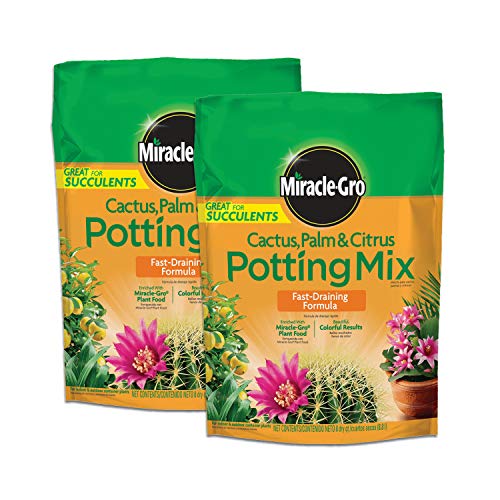
Miracle-Gro Cactus, Palm & Citrus Potting Mix features a fast-draining formula and is enriched with Miracle-Gro Plant Food
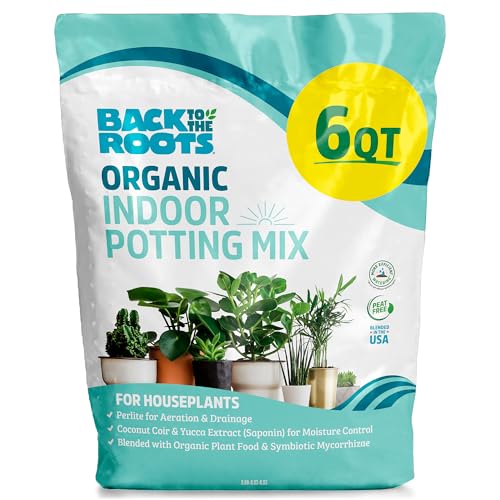
Includes 6qt of Back to the Roots Indoor Potting Mix. Our Potting Mix contains organic yucca extract that aids in retaining moisture in the soil which keeps your indoor plants happy and healthy

FEEDS UP TO 6 MONTHS: Miracle-Gro Potting Mix is a gardening soil for outdoor containers that feeds all types of potted plants, including flowers, vegetables, shrubs, annuals, and perennials for up to 6 months
Potting Guidelines for Delaware Pear Trees
When growing pear trees in pots in Delaware, it’s essential to follow specific potting guidelines to ensure their health and productivity. The unique climate and soil conditions of the region require careful attention to pot size, soil type, and watering practices. This section provides practical advice for successfully cultivating potted pear trees in small spaces.
Select a container that meets these criteria:
Size: At least 18 inches in diameter for dwarf varieties.
Material: Terracotta or plastic are good options for insulation.
Drainage: Ensure the pot has drainage holes to prevent water accumulation.
Optimal Soil Conditions for Potted Pear Trees
Growing pear trees in pots can be a rewarding endeavor, especially in Delaware’s unique climate. Understanding the optimal soil conditions is crucial for ensuring healthy growth and fruit production. This section will explore the best soil types and amendments to support potted pear trees in small spaces.
Use the following soil characteristics for optimal growth:
Well-draining: Prevents waterlogging.
Nutrient-rich: Supports healthy growth.
pH level: Aim for a pH between 6.0 and 7.0.
Watering Techniques for Potted Pear Trees
Proper watering is crucial for the health of potted pear trees, especially in Delaware’s varying climate. Understanding the specific needs of these trees will help ensure they thrive in limited spaces. This section explores effective watering techniques tailored for potted pear trees, emphasizing the balance between moisture retention and drainage.
Proper watering and fertilizing are essential for the health of your pear tree. Overwatering can lead to root issues, while underwatering can stunt growth.
Pot Watering Techniques for Delaware Pear Trees
Effective pot watering techniques are crucial for the health of pear trees in Delaware, especially in small spaces where soil moisture can fluctuate. Understanding the local climate and the specific needs of potted pear trees will help ensure they thrive. This section explores practical methods to maintain optimal moisture levels for these trees throughout the growing season.
Follow these steps for effective watering:
Frequency: Water when the top inch of soil feels dry.
Amount: Ensure deep watering to encourage root development.
Seasonal Adjustments: Increase watering during hot months.
Fertilizer Timing for Potted Pear Trees
Understanding the optimal timing for fertilizing potted pear trees is crucial for successful growth, especially in Delaware’s unique climate. Proper fertilization not only supports healthy foliage and fruit development but also enhances the tree’s resilience against local pests and diseases. This section will provide essential guidelines to ensure your potted pear trees thrive throughout the growing season.
Use a balanced fertilizer designed for fruit trees:
Timing: Fertilize in early spring and again in late summer.
Type: Look for a slow-release formula to provide consistent nutrients.
Application: Follow package instructions for dosage.
Container Pear Tree Pruning Strategies
Pruning container pear trees is essential for maintaining their health and productivity, especially in Delaware’s unique climate. Proper techniques can help manage growth, improve air circulation, and enhance fruit quality. Understanding these strategies will enable gardeners to maximize their small space while enjoying the benefits of homegrown pears.
Regular pruning is necessary to maintain the shape and health of your pear tree. This practice encourages better air circulation and fruit production.
Pruning Timing for Potted Pear Trees
Pruning is essential for maintaining the health and productivity of potted pear trees, especially in Delaware’s unique climate. Understanding the optimal timing for pruning can significantly influence growth and fruit yield. This section will outline the best practices for pruning your potted pear trees to ensure they thrive in small spaces.
Timing: Prune in late winter or early spring before new growth begins.
Tools: Use sharp, clean pruning shears for clean cuts.
Techniques: Remove dead or crossing branches and shape the tree to encourage an open center.
| Pruning Action | Purpose | Frequency |
|---|---|---|
| Remove dead wood | Health maintenance | Annually |
| Shape the tree | Improve air circulation | Annually |
| Thin out branches | Enhance fruit production | As needed |
Pest and Disease Management for Pear Trees
Managing pests and diseases is crucial for the health of potted pear trees in Delaware’s unique climate. Understanding the common threats these trees face can help ensure they thrive in small spaces. This section provides practical strategies for identifying and addressing these issues effectively.
Keeping your pear tree healthy involves monitoring for pests and diseases. Early detection is key to preventing damage.
Pest Management for Potted Pear Trees
Potted pear trees can thrive in Delaware’s unique climate, but managing pests is crucial for their health and productivity. Understanding common pests and implementing effective control strategies will help ensure your trees remain vibrant and fruitful. This section provides essential tips for maintaining pest-free potted pear trees in small spaces.
Aphids: Use insecticidal soap or neem oil.
Pear Psylla: Introduce beneficial insects like ladybugs.
Spider Mites: Increase humidity and use miticides if necessary.
Common Diseases of Potted Pear Trees
Potted pear trees can bring beauty and fruitfulness to small spaces in Delaware, but they are susceptible to various diseases. Understanding the common ailments that affect these trees is crucial for maintaining their health and ensuring a bountiful harvest. This section will explore the most prevalent diseases that potted pear trees may encounter.
Be aware of these common diseases:
Fire Blight: Prune affected areas immediately.
Powdery Mildew: Ensure good air circulation and apply fungicides.
Successful Pot Cultivation of Pear Trees
Growing pear trees in pots can be a rewarding endeavor for Delaware gardeners, especially those with limited space. This section explores effective strategies for cultivating these fruit-bearing trees in containers, ensuring they thrive in the region’s climate while maximizing yield and health. Discover the essential tips for successful pot cultivation that will help you enjoy fresh pears right from your patio.
Growing pear trees in pots in Delaware requires attention to detail and consistent care. Monitor environmental conditions and adjust your practices accordingly.
Critical Warning: Always ensure your pot has proper drainage to avoid root rot.
