

Peach trees can thrive in Utah’s high-altitude regions with the right soil conditions and care. Selecting the appropriate varieties and understanding soil amendments are crucial for successful growth.
Utah Climate Effects on Peach Tree Growth
Utah’s unique climate presents both challenges and opportunities for peach tree growth. With its high altitude and varying temperatures, understanding how these factors influence soil conditions is essential for successful cultivation. This section explores the specific climatic effects that can impact the health and productivity of peach trees in Utah.
Utah’s climate varies significantly due to its elevation, impacting peach tree growth. Areas above 5,000 feet experience shorter growing seasons and cooler temperatures, which can affect fruit production. Selecting cold-hardy varieties is essential for success.
Best Peach Varieties for Utah’s Altitude
When considering peach trees for Utah’s unique high-altitude climate, selecting the right variety is crucial for successful growth and fruit production. Certain peach varieties are better suited to withstand the cooler temperatures and varying soil conditions found in these elevated regions. Understanding which types thrive can help ensure a fruitful harvest.
Certain peach varieties are better suited for high-altitude growth in Utah. These varieties are more resilient to cold temperatures and shorter growing seasons. Consider the following options:
Reliance: Known for its cold hardiness and sweet fruit.
Contender: Offers excellent flavor and is resistant to diseases.
Frost: A late-blooming variety that minimizes frost damage.
| Variety | Cold Hardiness | Flavor Profile | Disease Resistance |
|---|---|---|---|
| Reliance | High | Sweet | Moderate |
| Contender | Very High | Rich | High |
| Frost | High | Sweet | Moderate |
Soil Amendments for Utah Peach Trees
Peach trees thrive in well-drained, nutrient-rich soil, making soil amendments crucial for successful cultivation in Utah’s unique high-altitude conditions. Understanding how to enhance soil quality can significantly impact tree health and fruit production. This section explores effective soil amendment strategies tailored for peach trees in Utah’s diverse environments.
Proper soil is vital for peach tree health. Soil should be well-draining and rich in organic matter. High-altitude soils can be rocky and less fertile, requiring amendments for optimal growth.
Soil Enhancements for Utah Peach Trees
Growing peach trees in Utah’s unique climate requires careful attention to soil conditions. This section explores essential soil enhancements that can help optimize growth and fruit production, ensuring that your peach trees thrive despite the challenges posed by high altitude and varying soil types. Understanding these enhancements is crucial for successful cultivation in this region.
To enhance soil quality, consider the following amendments:
Compost: Increases organic matter and improves drainage.
Peat Moss: Retains moisture while allowing aeration.
Gypsum: Helps break up compacted soil and improves drainage.
| Amendment | Benefits | Application Method |
|---|---|---|
| Compost | Enhances fertility | Mix into planting hole |
| Peat Moss | Improves moisture retention | Blend with topsoil |
| Gypsum | Reduces soil compaction | Spread on soil surface |
Irrigation Strategies for High-Altitude Peaches
Growing peach trees in Utah’s high-altitude regions presents unique challenges, particularly when it comes to irrigation. Understanding the specific water needs of these trees in such environments is crucial for successful cultivation. This section will explore effective irrigation strategies tailored to ensure healthy growth and fruit production in high-altitude soils.
High-altitude regions often have lower humidity, which affects watering needs. Proper irrigation is crucial for peach trees, especially during dry spells.
Recommended Products

Convenient and portable storage kit contains 102 professional grade universal Drip irrigation parts
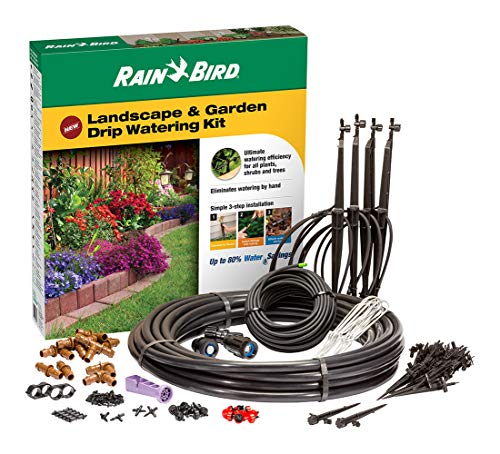
Comprehensive 108-piece kit for flower beds, gardens and landscaped areas; eliminates hand watering, saves time and money

Complete 240FT Drip Irrigation Kit - The garden irrigation system includes 40FT of 1/2" main tubing, 200FT of 1/4" distribution tubing, and 143 essential components. You can customize the setup to fit your garden layout, covering up to 250 sq. ft. or split into two areas of 120 sq. ft. each
Watering Strategies for Utah Peach Trees
Watering peach trees in Utah requires careful consideration due to the state’s unique climate and high altitude. Understanding the specific needs of these trees can help ensure healthy growth and fruit production. This section explores effective watering strategies tailored to the challenges faced by peach trees in Utah’s diverse environments.
Implement these watering practices for optimal growth:
Drip Irrigation: Provides consistent moisture directly to the roots.
Mulching: Reduces evaporation and maintains soil temperature.
Soil Moisture Monitoring: Use a moisture meter to avoid overwatering.
| Technique | Advantages | Frequency |
|---|---|---|
| Drip Irrigation | Efficient water use | Twice a week |
| Mulching | Conserves moisture | Renew every season |
| Soil Moisture Meter | Prevents overwatering | Check weekly |
Peach Tree Pest Control Strategies
Maintaining healthy peach trees in Utah’s unique climate requires effective pest control strategies. With high altitude conditions posing specific challenges, understanding common pests and their management is essential for successful cultivation. This section will explore practical approaches to safeguard your peach trees from potential threats, ensuring fruitful yields in the face of adversity.
Pests and diseases can threaten peach trees, particularly in high-altitude environments. Regular monitoring and preventive measures are necessary for healthy trees.
Recommended Products

Control diseases and insects in your garden with Captain Jack’s Fruit Tree Spray Concentrate! Use on a variety of listed fruits, nuts and citrus plants.

KILLS LISTED FRUIT & CITRUS TREE INSECTS: Controls Asian Citrus Psyllid, Whiteflies, Aphids Thrips, Citrus Leafminers, Leafhoppers, Blackfly, Mealybugs, Scales, Avocado Lacebugs, Oriental Beetles, Flea Beetles, Sharpshooters, and Spittlebugs

Kill borers, miners and more in your lawn and garden with Annual Tree & Shrub Insect Control Concentrate with Systemaxx from Bonide
Pests Affecting Peach Trees and Control Methods
Peach trees in Utah can face various pest challenges that threaten their health and fruit production. Understanding these pests and implementing effective control methods is crucial for successful cultivation in high-altitude conditions. This section explores common pests affecting peach trees and offers practical strategies for managing them.
Be aware of the following pests and their management:
Peach Tree Borer: Use insecticides or beneficial nematodes.
Aphids: Introduce ladybugs or use insecticidal soap.
Brown Rot: Ensure good air circulation and remove infected fruit.
| Pest | Symptoms | Control Methods |
|---|---|---|
| Peach Tree Borer | Sawdust around the base | Insecticides |
| Aphids | Curling leaves | Insecticidal soap |
| Brown Rot | Fungal growth on fruit | Prune and dispose |
Peach Tree Fertilization Timing and Types
Understanding the right timing and types of fertilizers is crucial for successfully growing peach trees in Utah’s unique high-altitude environment. This section will explore the best practices for fertilizing peach trees, ensuring they receive the nutrients needed to thrive in the region’s specific soil conditions and climate challenges.
Fertilization is essential for peach tree health and fruit production. Understanding the right timing and type of fertilizer can significantly impact growth.
Recommended Products

Produce abundant and vibrant fruit and blooms! This product works by strengthening your plant's roots to increase nutrient uptake… enabling it to bloom and produce like you've never seen!

Let our professionally formulated plant food help your fruit tree grow healthy, strong AND abundantly producing

Made for Peach Trees - This peach tree fertilizer is formulated specifically to support healthy growth and fruiting in peach trees.
Fertilizer Choices for Utah Peach Trees
When cultivating peach trees in Utah’s unique high-altitude environment, selecting the right fertilizer is crucial for optimal growth and fruit production. The specific soil conditions and climate variations in this region require careful consideration of nutrient needs to ensure healthy trees. Understanding the best fertilizer options can significantly enhance your peach-growing success in Utah.
Use the following fertilizers and schedule:
Nitrogen-Rich Fertilizer: Apply in early spring to promote growth.
Balanced Fertilizer: Use in mid-summer to support fruit development.
Potassium-Rich Fertilizer: Apply in late summer for improved fruit quality.
| Fertilizer Type | Application Time | Purpose |
|---|---|---|
| Nitrogen-Rich | Early Spring | Promotes foliage growth |
| Balanced | Mid-Summer | Supports fruit development |
| Potassium-Rich | Late Summer | Enhances fruit quality |
High-Altitude Peach Tree Cultivation Factors
Growing peach trees in Utah’s high-altitude regions presents unique challenges and opportunities. Understanding the specific factors that influence their cultivation, such as climate, soil conditions, and altitude, is essential for successful fruit production. This section delves into the critical elements that aspiring peach tree growers should consider to thrive in these elevated environments.
High-altitude peach tree cultivation requires careful planning and execution. Soil quality, climate, and pest management are all critical factors that influence success. Regular monitoring and adjustments based on local conditions will yield the best results.
