

Loquat trees can thrive in Montana’s climate with the right care and attention. By selecting the appropriate varieties and implementing effective growing strategies, you can successfully cultivate these fruit-bearing trees in the state.
Best Loquat Varieties for Montana’s Climate
When considering loquat trees for Montana’s unique climate, selecting the right variety is crucial for successful growth and fruit production. Certain loquat types are better suited to withstand the region’s temperature fluctuations and shorter growing seasons. This section explores the best loquat varieties that thrive in Montana, ensuring gardeners can enjoy these delicious fruits.
Selecting the right loquat varieties is crucial for success in Montana’s climate. Some varieties are more adaptable to colder temperatures and shorter growing seasons. Look for cultivars that are known for their hardiness and ability to withstand frost.
Variety Options
Champagne: Known for its sweet fruit and cold tolerance.
Burgundy: Produces large, flavorful fruit and adapts well to cooler climates.
Golden Nugget: Offers a good balance of sweetness and hardiness.
| Variety Name | Cold Hardiness | Fruit Size | Flavor Profile |
|---|---|---|---|
| Champagne | 20°F | Medium | Sweet |
| Burgundy | 15°F | Large | Rich |
| Golden Nugget | 25°F | Small | Tart |
Recommended Products
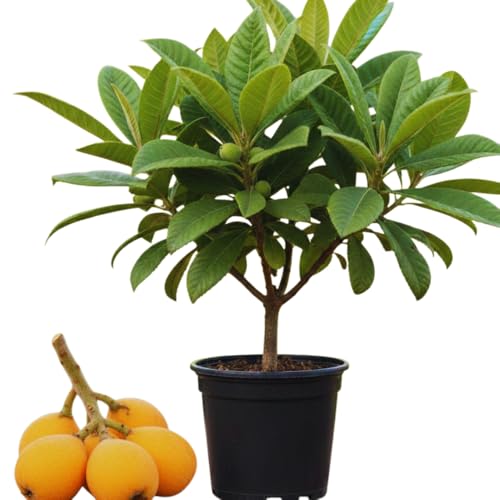
Produces sweet, golden loquat fruits when mature, ideal for home gardens or patios. No ship to CA
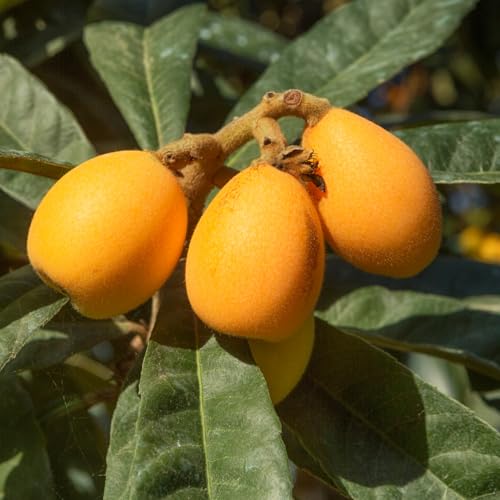
The loquat tree produces sweet, golden orange fruits, with fruit ripening in late winter to early spring
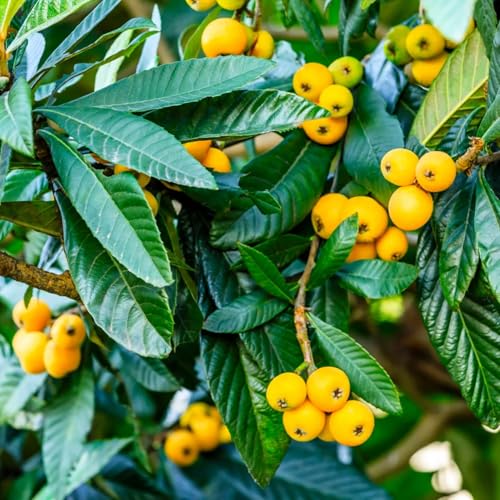
Produces sweet, golden loquat fruits when mature, ideal for home gardens or patios. No ship to CA
Soil Preparation for Thriving Loquat Trees
Preparing the right soil is crucial for the successful growth of loquat trees in Montana’s unique climate. Understanding the specific soil requirements and amendments needed will ensure these trees not only survive but thrive in the region. This section delves into the essential steps for creating an optimal growing environment for loquat trees.
Proper soil preparation is essential for loquat trees to thrive. These trees prefer well-draining soil with a slightly acidic to neutral pH. Conduct a soil test to determine nutrient levels and amend as necessary.
Soil Amendments
Compost: Improves soil structure and adds nutrients.
Peat Moss: Enhances moisture retention.
Lime: Raises pH if soil is too acidic.
Soil Testing for Loquat Success
Understanding the soil conditions is crucial for successfully growing loquat trees in Montana’s unique climate. Soil testing provides valuable insights into pH levels, nutrient content, and drainage capabilities, all of which directly impact the health and productivity of these trees. This section will explore the essential aspects of soil testing to ensure optimal growth and fruit production.
Test Soil: Use a home testing kit to check pH and nutrient levels.
Amend Soil: Incorporate compost and peat moss based on test results.
Tillage: Loosen the soil to a depth of at least 12 inches.
Loquat Tree Planting Best Practices
Planting loquat trees in Montana requires careful consideration of the local climate and soil conditions. Understanding the best practices for planting can significantly enhance the chances of success for these unique trees. This section outlines essential tips to ensure that your loquat trees thrive in the challenging Montana environment.
Effective planting techniques ensure that your loquat trees establish strong roots. Timing is critical; plant in early spring after the last frost.
Planting Steps
Dig Hole: Create a hole twice the width of the root ball.
Position Tree: Place the tree at the same depth it was in the nursery.
Backfill: Fill the hole with soil and water thoroughly.
Root Exposure Risks During Planting
When planting loquat trees in Montana, understanding root exposure risks is crucial for their survival and growth. Proper handling during planting can prevent damage to the delicate root system, ensuring that the trees establish well in the unique climate conditions of the region. This section explores the potential pitfalls and best practices for safeguarding roots during the planting process.
Ensure the roots are not exposed to air for too long during planting.
Loquat Tree Watering Strategies in Montana
Successfully growing loquat trees in Montana requires careful attention to their watering needs, particularly given the region’s unique climate challenges. Understanding the best practices for irrigation can help ensure these trees thrive, even in less-than-ideal conditions. This section explores effective watering strategies tailored specifically for loquat trees in Montana.
Loquat trees require consistent watering, especially during dry spells. Overwatering can lead to root rot, so balance is key.
Watering Schedule
Frequency: Water deeply every 1-2 weeks.
Signs of Need: Yellowing leaves indicate insufficient water.
Fertilization Tips
Type: Use a balanced fertilizer with equal parts nitrogen, phosphorus, and potassium.
Timing: Fertilize in early spring and again in mid-summer.
Frost Protection Strategies for Loquat Trees
Loquat trees can thrive in Montana’s unique climate, but they require careful frost protection to survive the colder months. Understanding effective strategies to shield these delicate trees from frost is essential for successful cultivation. Here are some proven methods to help ensure your loquat trees flourish despite the challenges posed by winter temperatures.
Frost can damage young loquat trees, especially during spring. Implement protective measures to ensure their survival.
Frost Protection Methods
Row Covers: Use lightweight fabric to shield trees on cold nights.
Mulching: Apply organic mulch around the base to retain ground warmth.
Recommended Products
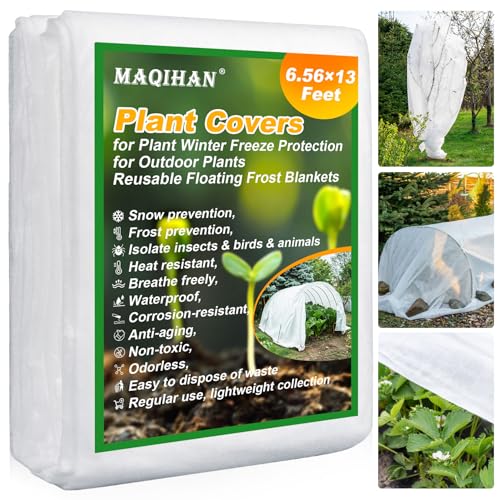
Product Features: Our plant covers are ideal for protecting all plant. Made from premium 1 oz/sq non-woven fabric, their durability and breathability ensuring both insulation against frost and facilitation of sunlight penetration for healthy plant growth

THICKER MATERIAL: Our plant freeze protection cover is made of UV stabilized polypropylene. Upgraded thicker 0.9oz./sq.yard lightweight but durable. Soft plant covers are friendly and no harm to your plants. Breathable non-woven fabric allow light, air go through the frost cloths and reach the plants.

※Big Size to cover large area : The size of our plant cover is 10x30ft, the size can cover large areas. You can cut the plant covers freeze protection into different sizes for different use. You can cover it over the plant such as shrub tomato, pepper, pumpkin, and so on.
Frost Protection Strategies for Loquat Trees
Loquat trees can thrive in Montana’s unique climate with the right frost protection strategies. Understanding how to shield these delicate trees from unexpected cold snaps is crucial for successful cultivation. This section explores effective methods to safeguard loquat trees, ensuring they flourish despite the challenges posed by frost.
Monitor weather forecasts and be prepared to cover trees when frost is predicted.
Loquat Harvesting Techniques for Montana
Harvesting loquats in Montana requires careful timing and specific techniques to ensure the fruit reaches its full flavor potential. Given the unique climate challenges, understanding the best practices for picking and handling these delicate fruits can make a significant difference in yield and quality. This section explores effective methods tailored for successful loquat harvesting in the region.
Once your loquat trees mature, harvesting becomes a rewarding task. Fruits usually ripen in late spring to early summer.
Harvesting Tips
Timing: Pick when fruits turn yellow-orange.
Technique: Gently twist the fruit to detach it from the stem.
Harvest Storage Tips for Loquat Trees
Harvesting loquats can be rewarding, but proper storage is essential to maintain their quality and flavor. In Montana’s unique climate, understanding the best practices for storing these fruits will help ensure you enjoy their sweet taste long after the harvest. Here are some effective tips to keep your loquats fresh and delicious.
Storage: Store harvested loquats in a cool, dry place.
Uses: Enjoy fresh, make jams, or bake in desserts.
| Harvesting Method | Ideal Timing | Best Uses |
|---|---|---|
| Hand-picking | Late spring | Fresh eating, jams |
| Clipping | Early summer | Baking, preserves |
Successful Loquat Cultivation in Montana
Loquat trees, typically associated with warmer climates, can surprisingly thrive in Montana’s unique environment. Understanding the specific conditions and techniques that support their growth is essential for successful cultivation. This section delves into the strategies and insights that can help gardeners achieve fruitful loquat harvests in this challenging region.
By following these guidelines, you can successfully cultivate loquat trees in Montana. With the right varieties, soil preparation, and care, these trees can thrive and produce delicious fruit.
