

Growing cherry trees in Arkansas can yield delicious fruit and enhance your landscape. Selecting the right varieties and following specific care tips are essential for success. This guide provides practical advice tailored for Arkansas homeowners to cultivate healthy cherry trees.
Optimal Cherry Tree Varieties for Arkansas
Choosing the right cherry tree variety is crucial for thriving growth in Arkansas’s climate. Sweet cherries, like Bing and Rainier, thrive in well-drained soils and full sunlight. Sour cherries, such as Montmorency, are more adaptable to various soil types and are often more disease-resistant.
Consider these factors when selecting varieties:
Climate compatibility: Ensure the variety can withstand Arkansas’s humidity and heat.
Pollination needs: Some cherry trees require cross-pollination for fruit production.
Space availability: Dwarf varieties can fit into smaller yards.
Recommended Products

Each offer includes one plant grown in a 4 inch pot
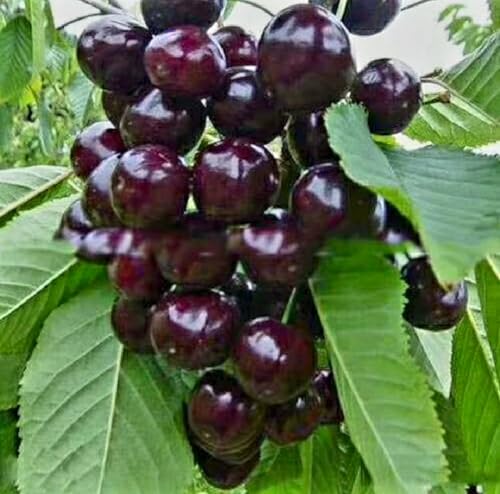
Cherry Tree are fast growing, long lived, & very ornamental.These edible black cherries are often made into jams & pies, wines. and very good for health,Eating black cherries is one of the best ways to keep pain and inflammation in check.
Top Cherry Tree Varieties for Arkansas
When selecting cherry tree varieties for Arkansas, it’s essential to consider the climate and soil conditions unique to the region. Certain types thrive better than others, offering homeowners the best chance for a fruitful harvest. This section highlights the top cherry tree varieties suited for Arkansas, ensuring successful growth and delicious yields.
| Variety | Type | Pollination Requirement | Growth Habit |
|---|---|---|---|
| Bing | Sweet | Self-pollinating | Standard |
| Rainier | Sweet | Requires pollinator | Standard |
| Montmorency | Sour | Self-pollinating | Dwarf |
| North Star | Sour | Requires pollinator | Dwarf |
Site Preparation for Cherry Trees
Preparing the right site is crucial for successfully growing cherry trees in Arkansas. This involves assessing soil quality, sunlight exposure, and drainage to create an optimal environment for healthy growth. Proper site preparation sets the foundation for thriving cherry trees that can yield delicious fruit for years to come.
Proper site preparation is essential for establishing healthy cherry trees. Choose a location that receives at least six hours of sunlight daily. The soil should be well-drained to prevent root rot.
Follow these steps for effective site preparation:
Test the soil: Use a soil test kit to check pH and nutrient levels.
Amend the soil: Add organic matter, such as compost, to improve soil structure.
Clear debris: Remove weeds and old plant material from the area.
Recommended Products

Kindly NOTE: This soil tester can not be applied to test pH value of any other liquid. If the soil is too dry the indicator will not move, and water it before testing.

Accurate Soil pH Testing: Dewildetradingco Soil pH Test Strips offer measurements of soil pH levels (pH 3.5-9). As an essential tool for every gardener and grower, these test strips help determine the optimal pH for various plants, such as outdoor plants, indoor plants, gardens, grass lawns, fruit trees, flowers, vegetables, and forest shrubs.

KNOW BEFORE YOU GROW | Grow the healthiest, sustainable lawn and garden with the most accurate and easy to use professional soil test kit on the market
Cherry Tree Soil pH and Nutrient Needs
Understanding the soil pH and nutrient requirements is essential for successfully growing cherry trees in Arkansas. The right soil conditions not only promote healthy growth but also enhance fruit quality. This section will explore the ideal pH levels and nutrient needs to ensure your cherry trees thrive in the Arkansas climate.
Cherry trees prefer a soil pH between 6.0 and 7.0. Conduct a soil test to determine nutrient levels. Amend the soil based on the test results to ensure optimal growth.
Optimal Cherry Tree Planting Techniques
When planting cherry trees in Arkansas, understanding the optimal techniques is crucial for successful growth. The right methods can significantly enhance tree health and fruit production, ensuring that homeowners enjoy a bountiful harvest. This section outlines essential practices for planting cherry trees that thrive in the state’s unique climate and soil conditions.
Planting your cherry trees correctly sets the foundation for future success. Timing is critical; the best time to plant is in early spring or late fall when the tree is dormant.
Follow these steps for planting:
Dig a hole: Make it twice as wide and just as deep as the root ball.
Position the tree: Place the tree in the center of the hole, ensuring the graft union is above soil level.
Backfill the hole: Use the original soil mixed with compost to fill the hole.
Cherry Tree Watering and Mulching Strategies
Proper watering and mulching are essential for the health and productivity of cherry trees in Arkansas. Understanding the unique climate and soil conditions of the region can help homeowners implement effective strategies to ensure their trees thrive. This section explores the best practices for watering and mulching to promote robust growth and fruit production.
After planting, water the tree thoroughly to settle the soil. Apply a layer of mulch around the base to retain moisture and suppress weeds. Keep the mulch a few inches away from the trunk to prevent rot.
Maintain Cherry Trees for Optimal Growth
To ensure cherry trees thrive in Arkansas, proper maintenance is essential. This involves understanding their specific needs, including watering, pruning, and pest management. By following these guidelines, homeowners can cultivate healthy trees that produce abundant fruit while enhancing their landscape.
Ongoing maintenance is vital for the health of your cherry trees. Regular watering, pruning, and pest control can significantly impact fruit production.
Recommended Products

ULTRA SHARP - Much less effort to cut branches with our pruning shears. Crafted from premium SK5 steel with titanium coating, our garden scissors and garden clippers boast exceptional durability and sharpness. A perfect pruning shears for gardening and a must-have garden tool, hedge clippers pruners for gardening

DUAL CUTTING POWER: VERSATILE PRUNING COMBO --- With both Pruning Shears and Pruning Snip, this combo delivers unmatched versatility. Whether you're delicately trimming flowers and shrubs, tackling thicker tree branches, or tending to your vegetable and fruit garden, our combo pack excels in all areas. They're also perfect for landscaping projects and maintaining the health and appearance of indoor plants. With this pack, you have a versatile tool that simplifies your gardening tasks.

· ULTRA-SHARP SK5 STAINLESS STEEL - Engineered with premium SK5 stainless steel, these heavy duty pruning shears deliver razor-sharp precision and maximum hardness. The rust-resistant blades are designed to stay sharp longer, effortlessly resisting corrosion and sap buildup for smooth, friction-free garden shears performance year after year.
Deep Watering Techniques for Cherry Trees
Deep watering is essential for the health and growth of cherry trees in Arkansas, particularly given the state’s varying climate conditions. This technique ensures that the roots receive adequate moisture, promoting strong development and resilience against drought. Understanding the best practices for deep watering can significantly enhance your cherry tree cultivation efforts.
Frequency: Water deeply once a week during dry spells.
Amount: Aim for 1-2 inches of water weekly.
Annual Cherry Tree Pruning Strategies
Pruning is essential for maintaining healthy cherry trees and maximizing fruit production in Arkansas. Understanding the right techniques and timing for annual pruning can significantly impact tree growth and yield. This section outlines effective strategies tailored for local conditions to help homeowners achieve thriving cherry orchards.
Prune your trees annually to promote air circulation and remove dead or diseased branches. Focus on shaping the tree to encourage a strong structure.
Cherry Tree Pest and Disease Control
Maintaining the health of cherry trees in Arkansas requires vigilance against pests and diseases that can threaten their growth and fruit production. Understanding common issues and effective control methods is essential for homeowners looking to cultivate thriving cherry trees. This section will explore the key pests and diseases to watch for, along with practical strategies for managing them effectively.
Monitor your trees for common pests like aphids and cherry fruit flies. Use organic pesticides or insecticidal soap as needed. Regularly inspect for signs of diseases such as brown rot and treat promptly.
Cherry Harvest Timing and Techniques
Understanding the timing and techniques for harvesting cherries is crucial for homeowners in Arkansas looking to maximize their yield. The right approach can significantly impact the quality and flavor of the fruit, ensuring a successful harvest. This section will explore the optimal harvest periods and practical methods to effectively gather cherries.
Knowing when and how to harvest your cherries ensures you enjoy the fruits of your labor. Sweet cherries should be harvested when fully ripe, while sour cherries can be picked slightly earlier.
Cherry Harvest Timing and Indicators
Understanding the timing of cherry harvest is crucial for homeowners in Arkansas looking to maximize their yield. This section outlines key indicators that signal when cherries are ripe for picking, helping you determine the optimal moment for a successful harvest. By recognizing these signs, you can ensure the best flavor and quality from your cherry trees.
Timing: Check for color and firmness; ripe cherries will be dark and plump.
Method: Use gentle twisting motions to avoid damaging the fruit.
Cherry Storage and Culinary Uses
Understanding how to properly store cherries and explore their culinary uses can enhance your enjoyment of this delicious fruit. In Arkansas, where cherry trees thrive, knowing the best storage methods and creative ways to incorporate cherries into your cooking can help you make the most of your harvest. This section delves into practical tips for preserving cherries and delicious recipes to try.
Store harvested cherries in a cool place or refrigerate them for up to a week. Use your cherries in pies, jams, or fresh eating for maximum enjoyment.
Cherry Tree Growth Challenges in Arkansas
Growing cherry trees in Arkansas presents unique challenges due to the region’s climate and soil conditions. Homeowners must navigate issues such as temperature fluctuations, pest infestations, and soil drainage to ensure healthy growth. Understanding these challenges is essential for successful cherry tree cultivation in the state.
Be aware of potential challenges when growing cherry trees in Arkansas. Issues like poor fruit set or leaf discoloration can arise.
Cherry Tree Troubleshooting Guide
Growing cherry trees in Arkansas can be rewarding, but challenges may arise that hinder their health and productivity. This troubleshooting guide addresses common issues homeowners face, offering practical solutions to ensure your cherry trees thrive in the unique climate and conditions of the region. With the right knowledge, you can enjoy a bountiful harvest year after year.
| Symptom | Primary Suspect | Difficulty (1-5) |
|---|---|---|
| Poor fruit set | Lack of pollination | 3 |
| Leaf discoloration | Nutrient deficiency | 2 |
| Wilting leaves | Overwatering | 4 |
| Pest infestation | Aphids or fruit flies | 3 |
Monitor your trees closely and take action based on the symptoms observed.
Cherry Tree Cultivation Tips for Arkansas
Growing cherry trees in Arkansas can be a rewarding endeavor for homeowners looking to enhance their gardens and enjoy fresh fruit. This section provides essential tips tailored to the unique climate and soil conditions of the region, ensuring successful cultivation and a bountiful harvest. Whether you’re a novice or an experienced gardener, these insights will help you thrive.
Growing cherry trees in Arkansas requires careful planning and attention to detail. By selecting the right varieties, preparing the site, and maintaining the trees, you can enjoy a fruitful harvest.
