

Growing banana trees in Garland, TX requires careful attention to local climate and soil conditions. To thrive, these trees need warm temperatures, plenty of sunlight, and well-draining soil. Understanding these factors will help you cultivate healthy banana plants in Dallas County.
Best Banana Tree Varieties for Garland Climate
When cultivating banana trees in Garland, TX, selecting the right variety is crucial for thriving growth and fruit production. The local climate presents unique challenges and opportunities, making certain banana tree types more suitable than others. This section explores the best banana tree varieties that flourish in the specific conditions of Dallas County.
Choosing the appropriate banana tree variety is crucial for successful growth in Garland. The climate in Dallas County favors certain types that can withstand heat and occasional cold snaps. Popular varieties include:
Cavendish: Commonly found in grocery stores, this variety is disease-resistant and produces large fruit.
Dwarf Brazilian: This compact tree is ideal for smaller spaces and yields sweet bananas.
Blue Java: Known for its unique flavor and silver-blue leaves, this variety is also cold-tolerant.
Each variety has distinct growth habits and fruit characteristics. Researching these traits will help you select the best option for your garden.
Recommended Products

Beautiful and exotic banana: Ethiopian banana, Abyssinian banana, pseudo-banana, fake banana and wild banana, is a herbaceous flowering plant species of the Musaceae banana family
![Greenwood Nursery: Live Perennial Plants - Musa Basjoo Cold Hardy Banana - [Qty: 2X Pint Pots] - (Click for Other Available Plants/Quantities)](https://m.media-amazon.com/images/I/51cl7jVVE3L._SL500_.jpg)
🌿 [INFO1] - Gives a tropical look to your garden. Grows from the Southern U.S. all the way to the southern part of Canada. A hardy Flowering Banana plant provides a tropical plant or jungle garden feel for pool landscapes, zen gardens and also makes an excellent container plant for porches, decks, patios & sunny areas of the house. The yellow orange flowers will produce small ornamental fruits that are not edible.

Soil Preparation Techniques for Banana Trees
Preparing the right soil is crucial for successfully growing banana trees in Garland, TX. The unique climate and soil conditions of Dallas County require specific techniques to ensure optimal growth and fruit production. Understanding how to amend and enrich the soil will set the foundation for healthy, thriving banana plants.
Soil preparation is essential for healthy banana trees. The right soil mix promotes root development and nutrient uptake. Here are key steps to prepare your soil:
Test Soil pH: Aim for a pH between 5.5 and 7.0 for optimal growth.
Amend with Organic Matter: Incorporate compost or well-rotted manure to improve soil structure and fertility.
Ensure Drainage: Banana trees dislike standing water. Consider raised beds or mounds to enhance drainage.
The following table summarizes the ideal soil conditions for banana trees.
| Soil Component | Ideal Condition |
|---|---|
| pH Level | 5.5 – 7.0 |
| Organic Matter | 3-5% |
| Drainage | Well-draining |
Banana Tree Planting Methods in Garland
In Garland, TX, successfully planting banana trees requires an understanding of local climate conditions and soil types. This section explores effective planting methods tailored to the unique environment of Dallas County, ensuring that your banana trees thrive and produce fruit in this region. Discover essential techniques that will help you cultivate healthy, robust plants.
Proper planting techniques greatly influence the growth of banana trees. Follow these steps for successful planting:
Choose a Sunny Location: Select a spot that receives at least 6-8 hours of sunlight daily.
Dig a Large Hole: Make a hole at least twice the width of the root ball to encourage root spread.
Water Thoroughly: After planting, water the tree deeply to settle the soil around the roots.
Be cautious of planting too deeply, as this can lead to root rot. The crown of the plant should be level with the soil surface.
Irrigation and Nutrition for Banana Trees
Proper irrigation and nutrition are crucial for cultivating healthy banana trees in Garland, TX. Understanding the local climate and soil conditions can help you provide the right amount of water and nutrients, ensuring robust growth and fruit production. This section delves into effective strategies tailored for the unique challenges of Dallas County.
Banana trees require consistent watering and fertilization to thrive. Here’s how to manage these needs:
Water Regularly: Keep the soil consistently moist but not soggy. Water deeply once a week, adjusting frequency based on rainfall.
Fertilize Monthly: Use a balanced fertilizer high in potassium to promote fruit development. A 10-10-30 fertilizer is often recommended.
Monitor your plants for signs of nutrient deficiency, such as yellowing leaves. Adjust your fertilization schedule as needed.
Recommended Products
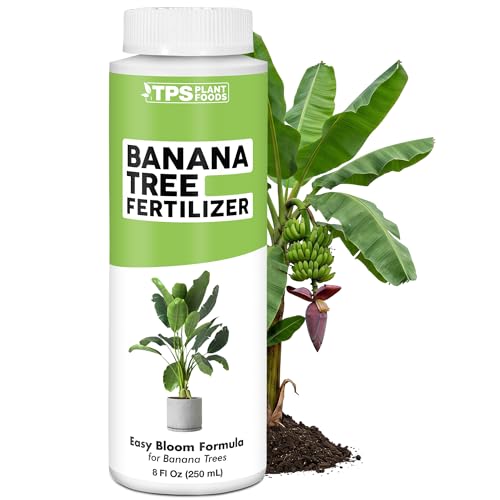
Made for Banana Trees – Specially formulated banana fertilizer designed to support the nutrient needs of banana plants.
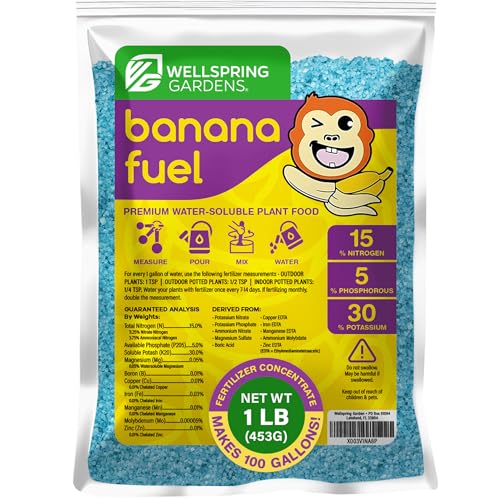
PREMIUM WATER SOLUBLE FERTILIZER: Wellspring Gardens Banana Fuel Fertilizer provides a water-soluble and high-quality nutrient blend with minor elements to promote optimal growth for your banana plants. Its premium 15-5-30 blend ensures that your banana plants are healthy and happy.

PREMIUM FUEL LIQUID FERTILIZER: Wellspring Gardens Banana Fuel Liquid Fertilizer Concentrate provides a quality nutrient blend with minor elements that could grow your plants. Its 3-1-6 formula ratio is the ideal fertilizer ration according to University of Florida which is what our product is made of.
Banana Tree Pest and Disease Solutions
In Garland, TX, banana trees can thrive, but they are not immune to pests and diseases. Understanding the specific challenges these plants face in Dallas County is crucial for successful cultivation. This section outlines effective solutions to common issues, helping gardeners maintain healthy and fruitful banana trees.
Being proactive about pest and disease management is vital for healthy banana trees. Common issues include:
Aphids: These small pests can weaken plants. Use insecticidal soap for control.
Fungal Diseases: Root rot can occur in overly wet conditions. Ensure proper drainage and avoid overwatering.
Regularly inspect your plants for early signs of trouble. Quick action can prevent larger infestations or diseases.
Recommended Products

3-in-1 FORMULA: Aphid spray for outdoor plants for use on roses, flowers, shrubs and trees to control listed insects, disease and mites

3-IN-1 PLANT CARE: 3-In-1 Insect, Disease & Plant Mite Control provides insect control, disease control, and plant mite control all in one; Rainproof protection starts in 4 hours and lasts up to 14 days
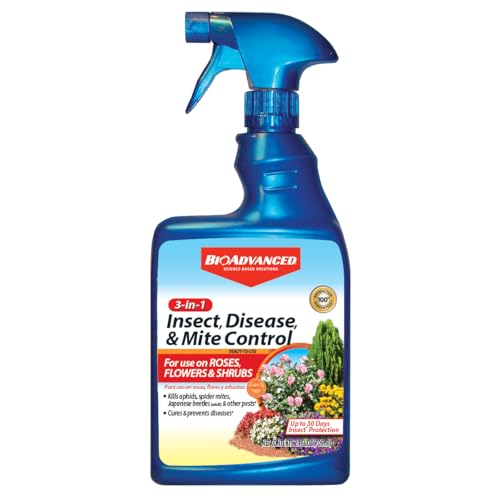
INSECT KILLER: Army worm killer. Also kills insects such as Aphids, Spider Mites, Japanese Beetles, Caterpillars, and other listed insects
Optimal Banana Harvest Timing and Methods
Understanding the best timing and methods for harvesting bananas is crucial for gardeners in Garland, TX. The unique climate and soil conditions of Dallas County influence when and how to pick these tropical fruits for optimal flavor and yield. This section delves into the specific practices that can help ensure a successful banana harvest.
Harvesting your bananas at the right time ensures the best flavor and quality. Follow these guidelines:
Monitor Fruit Color: Bananas should be plump and green before harvesting. They will ripen off the plant.
Cut with Care: Use a sharp knife to cut the fruit bunch, leaving a small section of stem attached.
Store harvested bananas at room temperature to allow them to ripen evenly.
Banana Tree Care Essentials for Garland
Caring for banana trees in Garland, TX requires attention to local climate conditions and specific horticultural practices. Understanding the essentials of watering, fertilization, and pest management will help ensure healthy growth and fruit production. This section outlines the key care techniques tailored for the unique environment of Dallas County.
| Care Aspect | Recommended Action | Frequency |
|---|---|---|
| Watering | Deep watering | Weekly |
| Fertilizing | Balanced fertilizer | Monthly |
| Pest Control | Insecticidal soap | As needed |
| Soil Testing | pH and nutrient levels | Annually |
Follow these guidelines to ensure your banana trees thrive in Garland, TX. By selecting the right variety, preparing the soil, and managing care effectively, you can enjoy a fruitful harvest.
