

Growing banana trees in Stockton, CA is feasible with the right techniques and care. By selecting suitable varieties and implementing effective growing methods, you can achieve a fruitful harvest in this region.
Best Banana Varieties for Stockton Climate
Selecting the appropriate banana variety is crucial for successful growth in Stockton’s climate. Consider varieties that thrive in USDA hardiness zones 9-11, such as Dwarf Cavendish and Ice Cream bananas. These types are more resilient to temperature fluctuations and can produce fruit within a year.
Dwarf Cavendish Banana Characteristics
The Dwarf Cavendish banana is a popular choice for home gardeners in Stockton, CA, due to its compact size and high yield. This variety thrives in warm climates and offers sweet, flavorful fruit, making it an ideal option for those looking to cultivate bananas in the San Joaquin region. Understanding its unique characteristics can help ensure a successful growing experience.
The Dwarf Cavendish is a popular choice for home gardens. It grows up to 4-5 feet tall, making it suitable for smaller spaces. This variety produces sweet, creamy bananas and is known for its fast growth rate.
Ice Cream Banana Variety for Stockton
The Ice Cream banana variety, known for its sweet and creamy flavor, thrives in Stockton’s climate, making it an excellent choice for local gardeners. This variety not only offers a unique taste but also adapts well to the region’s growing conditions, ensuring a fruitful harvest for those willing to cultivate it. Understanding its specific needs can enhance your gardening success.
The Ice Cream banana is another excellent option. It can reach heights of 8-10 feet and produces larger fruit with a unique flavor. This variety is more tolerant of cooler temperatures, making it ideal for Stockton’s climate.
Site Preparation for Banana Cultivation
Preparing the right site is crucial for successful banana cultivation in Stockton, CA. This region’s unique climate and soil conditions require careful planning to ensure optimal growth. Understanding the specific needs for site selection and preparation will set the foundation for a thriving banana garden.
Proper site preparation is essential for healthy banana growth. Choose a location that receives full sun and has well-draining soil. Amend the soil with organic matter to improve fertility and drainage.
Recommended Products

Kindly NOTE: This soil tester can not be applied to test pH value of any other liquid. If the soil is too dry the indicator will not move, and water it before testing.

Accurate Soil pH Testing: Dewildetradingco Soil pH Test Strips offer measurements of soil pH levels (pH 3.5-9). As an essential tool for every gardener and grower, these test strips help determine the optimal pH for various plants, such as outdoor plants, indoor plants, gardens, grass lawns, fruit trees, flowers, vegetables, and forest shrubs.

Comprehensive Soil Analysis: Liquid soil test kits offer a comprehensive analysis of essential soil parameters, including pH, ammonia, nitrogen, phosphorus, and potassium. Having all these measurements in one kit provides a holistic understanding of the soil's fertility and health.
Optimal Soil pH for Banana Trees
Understanding the optimal soil pH is crucial for successfully growing banana trees in Stockton, CA. The right pH level not only influences nutrient availability but also impacts the overall health and productivity of the plants. This section will explore the ideal soil pH range and its significance for thriving banana trees in the San Joaquin Valley.
Banana trees prefer slightly acidic to neutral soil, ideally with a pH of 5.5 to 7.0. Conduct a soil test to determine nutrient levels and adjust accordingly. Adding compost or well-rotted manure can enhance soil quality.
Raised Bed Drainage Techniques
Effective drainage is crucial for growing healthy banana trees, especially in the varied climate of Stockton, CA. Implementing raised bed techniques can significantly improve water management, ensuring that your banana plants thrive without the risk of root rot. This section explores practical methods to enhance drainage in raised beds, tailored specifically for the San Joaquin Valley’s conditions.
If your planting site has poor drainage, consider creating raised beds. This will help prevent root rot and promote healthy growth. Ensure the beds are at least 12 inches high to allow for adequate drainage.
Irrigation and Nutrient Strategies for Bananas
Effective irrigation and nutrient management are crucial for cultivating healthy banana trees in Stockton, CA. With the region’s unique climate and soil conditions, understanding the specific water needs and nutrient requirements can significantly enhance growth and fruit production. This section delves into tailored strategies to optimize irrigation and fertilization for successful banana cultivation in the San Joaquin Valley.
Banana trees require consistent moisture and nutrient-rich soil for optimal growth. Implement a regular watering and fertilization schedule to support healthy development.
Recommended Products
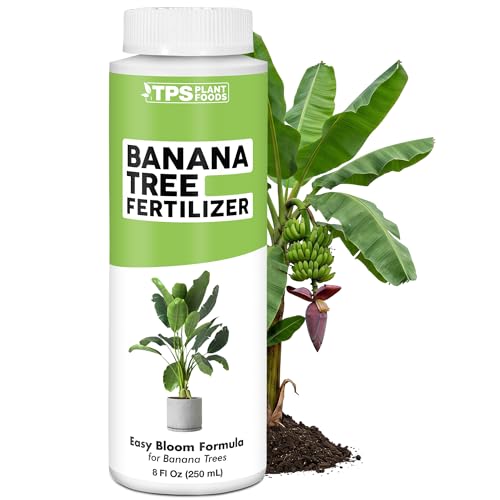
Made for Banana Trees – Specially formulated banana fertilizer designed to support the nutrient needs of banana plants.

2X MORE VALUE: The 16 oz bottle of Banana Plant Fertilizer makes 16 gallons of banana fertilizer for fruit trees, while the bigger size 32 oz bottle makes 32 gallons for lasting care of your banana trees.

PREMIUM FUEL LIQUID FERTILIZER: Wellspring Gardens Banana Fuel Liquid Fertilizer Concentrate provides a quality nutrient blend with minor elements that could grow your plants. Its 3-1-6 formula ratio is the ideal fertilizer ration according to University of Florida which is what our product is made of.
Banana Tree Watering Guidelines
Proper watering is essential for cultivating healthy banana trees in Stockton, CA. Given the region’s climate, understanding the specific watering needs can significantly impact growth and fruit production. This section outlines key guidelines to ensure your banana trees receive the right amount of moisture throughout their development.
Water your banana trees deeply once a week, increasing frequency during hot, dry spells. Ensure the soil remains moist but not soggy to prevent root issues. Mulching around the base can help retain moisture.
Balanced Fertilizer for Banana Trees
To ensure healthy growth and fruit production, banana trees require a balanced fertilizer that meets their specific nutrient needs. In Stockton, CA, selecting the right fertilizer can significantly impact the vitality of your plants, promoting lush foliage and robust fruit development. Understanding the essential nutrients and their ratios is key to successful cultivation in the San Joaquin region.
Use a balanced fertilizer every 6-8 weeks during the growing season. A fertilizer high in potassium is beneficial for fruit development. Look for products specifically formulated for fruit trees or bananas.
Pest and Disease Management for Banana Trees
Managing pests and diseases is crucial for the health of banana trees in Stockton, CA. This region’s unique climate can foster various challenges, making it essential for growers to implement effective strategies. Understanding common threats and preventative measures will help ensure a thriving banana crop in the San Joaquin Valley.
Monitoring for pests and diseases is essential for maintaining healthy banana trees. Common issues include aphids, spider mites, and fungal infections.
Recommended Products


NEEM OIL SPRAY FOR PLANTS – A fast-acting, multipurpose neem spray designed for indoor plants, houseplants, and garden use. This ready-to-use plant spray combines cold-pressed neem oil with a balanced botanical blend to solve common plant care issues while supporting healthy, resilient leaves.

3-IN-1 GARDEN SPRAY - Earth’s Ally 3-in-1 Plant Spray is an insecticide, miticide and fungicide. The houseplant pest spray effectively kills and controls soft-bodied insects and common plant diseases with a synergistic blend of essential oils.
Pest Control Techniques for Banana Trees
Effective pest control is crucial for maintaining healthy banana trees in Stockton, CA. The region’s unique climate can attract various pests that threaten growth and yield. Understanding and implementing targeted pest management strategies can help ensure a thriving banana crop, allowing growers to enjoy the fruits of their labor.
Regularly inspect your plants for signs of pests. Use insecticidal soap or neem oil to treat infestations. Encourage beneficial insects like ladybugs to help control pest populations naturally.
Banana Tree Disease Management Strategies
Managing diseases is crucial for the successful cultivation of banana trees in Stockton, CA. This section outlines effective strategies to identify, prevent, and treat common banana tree diseases, ensuring healthy growth and fruitful yields. By implementing these practices, growers can protect their plants and enhance their overall productivity.
To prevent diseases, ensure proper air circulation around your plants. Avoid overhead watering to minimize fungal growth. Remove any infected leaves promptly to reduce the spread of disease.
Banana Harvest Timing and Storage Techniques
Understanding the optimal timing for harvesting bananas is crucial for maximizing yield and quality in Stockton, CA. This section delves into the best practices for determining when to pick your bananas and effective storage techniques to preserve their freshness, ensuring that your hard work in cultivating these tropical fruits pays off.
Knowing when and how to harvest your bananas is vital for enjoying their optimal flavor. Bananas typically ripen in clusters, and timing is key for peak sweetness.
Banana Harvesting Best Practices
Successfully harvesting banana trees requires careful timing and technique, especially in the unique climate of Stockton, CA. Understanding the signs of ripeness and employing proper methods can significantly enhance both the quality and quantity of your yield. This section outlines essential best practices for harvesting bananas to ensure a fruitful and rewarding experience.
Harvest bananas when they are plump and the skin starts to turn yellow. Use a sharp knife to cut the entire bunch from the plant. Handle the fruit gently to avoid bruising.
Optimal Banana Storage Techniques
Proper storage techniques are essential for maintaining the freshness and quality of bananas after harvest. In Stockton, CA, where the climate can influence ripening, understanding the best practices for storing bananas can extend their shelf life and enhance their flavor. This section delves into effective methods to ensure your bananas remain delicious and appealing for as long as possible.
Store harvested bananas at room temperature to allow them to ripen fully. Once ripe, you can refrigerate them to extend their shelf life. Avoid storing unripe bananas in the fridge as this can halt the ripening process.
Banana Growth Data for Stockton Conditions
Understanding the specific growth data for banana trees in Stockton, CA, is crucial for successful cultivation in this region. This section delves into the climatic and soil conditions that influence banana growth, providing essential insights for both novice and experienced gardeners looking to thrive in the San Joaquin Valley.
| Variety | Height | Fruit Flavor | Growth Rate | Disease Resistance |
|---|---|---|---|---|
| Dwarf Cavendish | 4-5 feet | Sweet | Fast | Moderate |
| Ice Cream | 8-10 feet | Creamy | Moderate | High |
Banana Tree Cultivation Logistics in Stockton
Growing banana trees in Stockton, CA requires careful planning and attention to local climate conditions. Understanding the logistics of banana tree cultivation is essential for success, as factors like soil type, irrigation, and seasonal variations can significantly impact growth and yield. This section delves into the practical aspects of establishing and maintaining healthy banana trees in the San Joaquin Valley.
Plan your banana tree cultivation with attention to logistics. Ensure you have the necessary tools and supplies for planting, watering, and maintenance.
Banana Tree Gardening Tools for Success
To successfully cultivate banana trees in Stockton, CA, having the right gardening tools is essential. This section outlines the specific equipment and supplies that will help you nurture your banana plants, ensuring they thrive in the San Joaquin climate. From soil amendments to watering devices, these tools will set you on the path to a fruitful harvest.
Gather tools such as a shovel, trowel, pruning shears, and a hose. These will assist you in planting, maintaining, and harvesting your banana trees effectively.
Optimal Spring Planting for Banana Trees
Spring is the ideal season for planting banana trees in Stockton, CA, as the warmer temperatures and increased rainfall create favorable conditions for growth. Understanding the timing and techniques for optimal planting can significantly enhance the success of your banana cultivation. This section will explore the best practices for establishing healthy banana trees during this crucial period.
The best time to plant banana trees in Stockton is during the spring after the last frost. This timing allows the trees to establish roots before the heat of summer arrives.
