

Growing peach trees in pots in New Hampshire is feasible with the right techniques and care. Selecting cold-hardy varieties and providing proper winter protection will ensure healthy growth and fruit production.
Cold-Hardy Peach Varieties for New Hampshire
When cultivating peach trees in pots in New Hampshire, selecting the right cold-hardy varieties is crucial for successful growth and fruit production. These specially adapted peaches can withstand the region’s chilly winters while thriving in containers, making them ideal for northern gardeners eager to enjoy homegrown fruit. Here are some of the best options to consider for your potted peach garden.
Choosing the right peach tree variety is crucial for success in New Hampshire’s climate. Cold-hardy varieties can withstand harsh winters and still produce fruit. Popular options include:
Reliance: Known for its cold tolerance and sweet fruit.
Contender: Produces large, juicy peaches and is resistant to diseases.
Redhaven: Offers a balance of flavor and hardiness.
Ensure that the selected variety is suited for container growth to maximize your chances of success.
Pot and Soil Preparation for Peach Trees
Preparing the right pot and soil is crucial for successfully growing peach trees in pots, especially in New Hampshire’s unique climate. Selecting suitable containers and soil types can significantly impact the health and productivity of your trees. This section will guide you through essential steps to ensure your peach trees thrive in their potted environment.
Proper preparation of the pot and soil is essential for healthy peach trees. Use a large container, at least 18-24 inches in diameter, to allow for root development.
The soil should be well-draining and rich in nutrients. Consider the following:
Pot Material: Choose a sturdy material like ceramic or heavy plastic to withstand wind and temperature changes.
Soil Mix: Combine potting soil with compost and perlite for optimal drainage.
Ideal Soil Mix for Potted Peach Trees
Creating the right soil mix is crucial for the health and productivity of potted peach trees in New Hampshire. The ideal blend not only supports root development but also ensures proper drainage and moisture retention, which are essential for thriving in a container environment. Understanding these components will help you cultivate a successful peach tree in your garden.
| Component | Purpose |
|---|---|
| Potting Soil | Base for root growth |
| Compost | Nutrient enrichment |
| Perlite | Improves drainage |
Monitor soil moisture levels to prevent overwatering, which can lead to root rot.
Container Peach Tree Care Practices
Caring for container peach trees in New Hampshire requires specific practices to ensure healthy growth and fruit production. With the right techniques, gardeners can successfully nurture these trees in pots, adapting to the unique challenges posed by the region’s climate. This section outlines essential care practices to help you cultivate thriving peach trees in containers.
Regular watering and fertilizing are critical for container-grown peach trees. The following practices will help maintain optimal growth:
Watering Schedule: Water deeply once a week, adjusting frequency based on rainfall and temperature.
Fertilizer Type: Use a balanced fertilizer specifically formulated for fruit trees, applying it every 4-6 weeks during the growing season.
Recommended Products

Let our professionally formulated plant food help your fruit tree grow healthy, strong AND abundantly producing
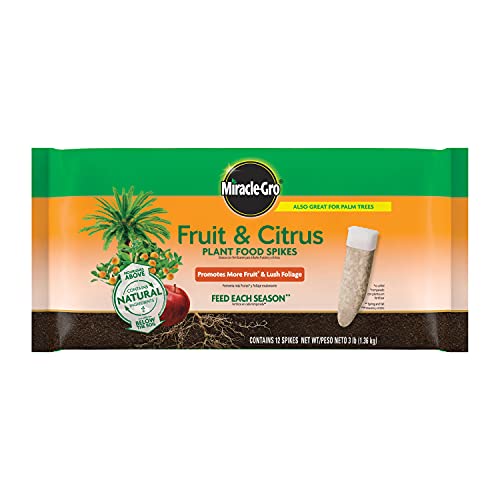
FORMULATED FOR CITRUS AND FRUIT TREES: Use these citrus fertilizer spikes on apple, orange, lemon, lime, and avocado trees; this formula is also great for feeding palm trees

Made for Peach Trees - This peach tree fertilizer is formulated specifically to support healthy growth and fruiting in peach trees.
Fertilizing Potted Peach Trees Effectively
Fertilizing potted peach trees is crucial for their growth and fruit production, especially in New Hampshire’s unique climate. Understanding the specific nutrient needs and timing for application can significantly enhance the health and yield of these trees. This section delves into effective fertilization strategies tailored for potted peach trees thriving in northern conditions.
Apply fertilizer when the tree is actively growing.
Follow the manufacturer’s instructions for dosage to avoid over-fertilization.
Potted Peach Tree Winter Care Techniques
Caring for potted peach trees during the harsh New Hampshire winters requires specific techniques to ensure their survival and health. Understanding how to protect these delicate plants from freezing temperatures and harsh winds is crucial for successful fruit production in the warmer months. This section outlines effective winter care strategies tailored for potted peach trees in northern climates.
New Hampshire winters can be harsh, making winter protection vital for potted peach trees. Implement these strategies to ensure your trees survive cold temperatures:
Insulate the Pot: Wrap the pot with burlap or bubble wrap to protect roots from freezing.
Move Indoors: If possible, relocate the pot to a garage or basement during extreme cold spells.
Recommended Products
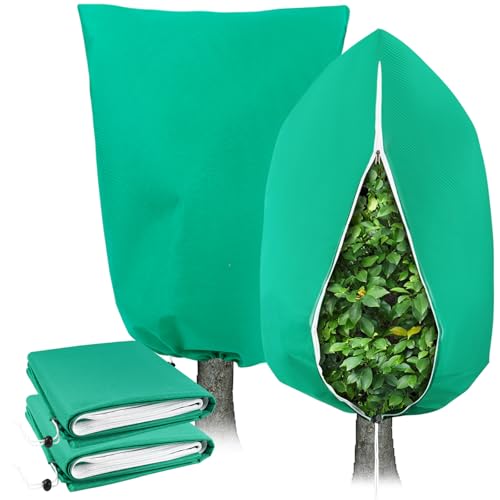
PLANT COVERS FREEZE PROTECTION FOR WINTER:You will receive 2 pack 47 * 72 inch frost blankets cloths for outdoor plants, designed specifically for outdoor plant protection, which can resist frost, snow, rain, wind, hail, animals, insects, birds, etc. Frost cloths for outdoor plants providing sufficient coverage space and is very suitable for shrubs, small trees, flowers, vegetables, etc

The Large plant cover is perfect for Plant size 55''-70"high and 84''-94" round, Heavy-weight FRCs (1.77oz./sq. yard): usually used to extend the growing season in spring and fall, allow 40%-60% light transmittance, and recommend 3°-8°F of freeze protection

The small plant cover is perfect for Plant size 16''-23"high and 36''-46" round, Heavy-weight FRCs (1.77oz./sq. yard): usually used to extend the growing season in spring and fall, allow 40%-60% light transmittance, and recommend 3°-8°F of freeze protection
Winter Protection Strategies for Potted Peach Trees
Winter can be particularly harsh for potted peach trees in New Hampshire, making effective protection strategies essential for their survival. Understanding the specific challenges posed by cold temperatures and snow accumulation will help you implement the best practices to ensure your trees thrive through the winter months. Here are some practical methods to safeguard your potted peach trees during the colder season.
Monitor temperatures regularly to assess the need for additional protection.
Check for signs of dehydration and water as necessary, even in winter.
Peach Tree Pest and Disease Control
Maintaining healthy peach trees in pots requires vigilance against pests and diseases, especially in New Hampshire’s unique climate. Understanding common threats and effective control measures is essential for ensuring robust growth and fruit production. This section delves into the specific pests and diseases that can affect potted peach trees and offers practical solutions for managing them effectively.
Pests and diseases can threaten the health of your peach trees. Regular monitoring and proactive measures can mitigate these risks. Common issues include:
Peach Leaf Curl: A fungal disease that can be prevented with proper pruning and fungicide application.
Aphids: Small pests that can be controlled with insecticidal soap or neem oil.
Pest Management Strategies for Potted Peaches
Managing pests is crucial for the health of potted peach trees, especially in New Hampshire’s unique climate. This section explores effective strategies tailored to combat common pests that threaten these trees, ensuring they thrive in containers while producing delicious fruit. Understanding these methods will help you maintain a robust and fruitful potted peach garden.
| Pest/Disease | Control Method |
|---|---|
| Peach Leaf Curl | Prune affected leaves |
| Aphids | Apply insecticidal soap |
Regular inspections will help catch problems early, ensuring the health of your trees.
Peach Ripeness Indicators for Optimal Harvest
Understanding when to harvest peaches is crucial for maximizing flavor and texture, especially when growing them in pots in New Hampshire. This section outlines key indicators of peach ripeness, helping you determine the perfect moment to enjoy your homegrown fruit at its best. Recognizing these signs will ensure a rewarding harvest experience.
Harvesting peaches at the right time is crucial for flavor and quality. Look for these signs to determine ripeness:
Color Change: Peaches should have a vibrant color, typically yellow or red, depending on the variety.
Softness: Gently squeeze the fruit; it should yield slightly to pressure.
Potted Peach Harvesting Techniques
Harvesting peaches from potted trees in New Hampshire requires specific techniques to ensure a fruitful yield. Understanding the unique challenges posed by the region’s climate and the limitations of container growth can significantly enhance your success. This section will explore effective methods for harvesting peaches while maximizing flavor and quality.
Use pruning shears to cut the fruit from the tree to avoid damaging branches.
Harvest in the morning when temperatures are cooler for the best flavor.
Monitor your trees throughout the growing season to ensure they remain healthy and productive.
