

Growing banana trees in Denver, CO is achievable with the right techniques for high-altitude conditions. By selecting cold-hardy varieties and implementing protective measures, you can cultivate these tropical plants successfully.
Choose the Right Banana Varieties for Denver
Selecting the appropriate banana varieties is crucial for successful growth in Denver’s unique climate. With its high altitude and varying temperatures, certain types of bananas are better suited to thrive in this environment. Understanding which varieties can adapt will set the foundation for a fruitful banana-growing experience in the Mile High City.
Selecting the appropriate banana varieties is crucial for successful growth in Denver’s climate. Look for cold-hardy options such as the Dwarf Cavendish or Musa basjoo. These varieties can withstand cooler temperatures and still produce fruit.
Dwarf Cavendish: Ideal for small spaces, this variety grows up to 4-5 feet tall and produces sweet bananas.
Musa basjoo: Known for its hardiness, this variety can survive temperatures as low as 20°F and is often grown for ornamental purposes.
Recommended Products
![Greenwood Nursery: Live Perennial Plants - Musa Basjoo Cold Hardy Banana - [Qty: 2X Pint Pots] - (Click for Other Available Plants/Quantities)](https://m.media-amazon.com/images/I/51cl7jVVE3L._SL500_.jpg)
🌿 [INFO1] - Gives a tropical look to your garden. Grows from the Southern U.S. all the way to the southern part of Canada. A hardy Flowering Banana plant provides a tropical plant or jungle garden feel for pool landscapes, zen gardens and also makes an excellent container plant for porches, decks, patios & sunny areas of the house. The yellow orange flowers will produce small ornamental fruits that are not edible.
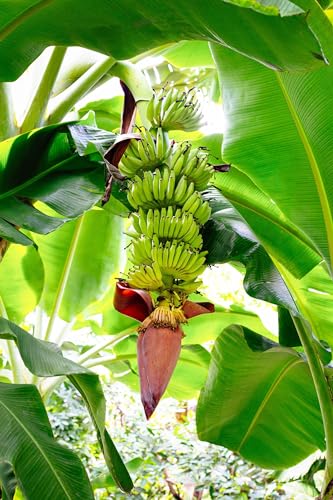
Live Plants for Planting 🌱 – Includes 4 rooted Musa basjoo banana plants, ready to plant in your garden or large pots.
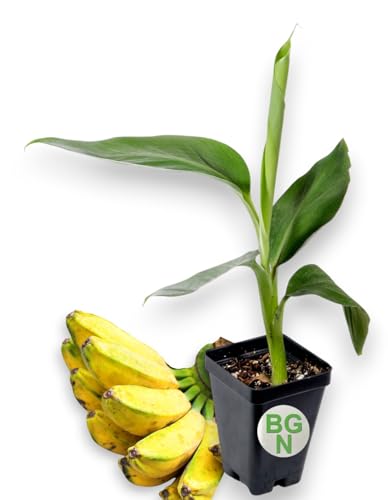
Size and Growth: The California Gold Banana plant is compact yet striking, reaching a mature height of about 5 to 7 feet. This manageable size makes it perfect for smaller spaces, urban gardens, or even as a potted plant on patios and balconies. Despite its smaller stature compared to other banana varieties, it delivers lush, wide leaves that lend a distinctly tropical feel to any setting.
Optimal Soil Conditions for Banana Trees
Banana trees thrive in specific soil conditions that can be challenging to achieve in Denver’s high-altitude environment. Understanding the ideal soil composition, drainage, and pH levels is essential for successful cultivation. This section delves into the optimal soil conditions necessary to support healthy banana tree growth in the unique climate of Colorado.
Soil preparation plays a vital role in the health of your banana trees. The soil should be well-draining and rich in organic matter. Follow these steps for optimal soil conditions:
Test the soil pH: Aim for a pH between 5.5 and 7.0.
Amend with compost: Incorporate well-rotted compost to enhance nutrient levels.
Add mulch: Use organic mulch to retain moisture and regulate soil temperature.
| Soil Component | Recommended Ratio |
|---|---|
| Compost | 30% |
| Peat Moss | 30% |
| Perlite | 40% |
Watering Strategies for High-Altitude Bananas
Successfully growing banana trees in Denver’s high altitude requires careful attention to watering strategies. The unique climate and elevation can impact moisture retention and soil conditions, making it essential to adopt effective techniques. Understanding these strategies will help ensure your banana trees thrive despite the challenges posed by their environment.
Watering is essential for the growth of banana trees. High-altitude conditions can lead to quick evaporation, so consistent moisture is necessary. Here are some effective watering techniques:
Deep watering: Water deeply once a week to encourage deep root growth.
Drip irrigation: Install a drip irrigation system to maintain consistent moisture levels.
Monitor moisture: Use a moisture meter to avoid over or under-watering.
Recommended Products

Convenient and portable storage kit contains 102 professional grade universal Drip irrigation parts

Complete 240FT Drip Irrigation Kit - The garden irrigation system includes 40FT of 1/2" main tubing, 200FT of 1/4" distribution tubing, and 143 essential components. You can customize the setup to fit your garden layout, covering up to 250 sq. ft. or split into two areas of 120 sq. ft. each
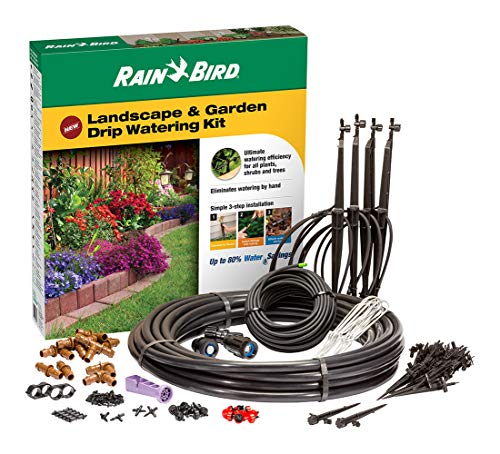
Comprehensive 108-piece kit for flower beds, gardens and landscaped areas; eliminates hand watering, saves time and money
Frost Protection Strategies for Banana Trees
Banana trees thrive in warm climates, but growing them in Denver’s high altitude presents unique challenges, particularly with frost. Implementing effective frost protection strategies is crucial for ensuring the health and productivity of these tropical plants. This section explores various methods to safeguard banana trees from the cold, helping gardeners achieve successful growth in a less-than-ideal environment.
Frost can be detrimental to banana trees in Denver. Implement protective measures to shield your plants during colder months. Consider the following strategies:
Cover with fabric: Use frost cloths to cover trees during unexpected cold snaps.
Use heat lamps: Install heat lamps for added warmth on particularly cold nights.
Mulch: Apply a thick layer of mulch around the base to insulate the roots.
Fertilization Techniques for Banana Trees
Fertilizing banana trees in Denver’s unique high-altitude climate requires specific techniques to ensure healthy growth and fruit production. Understanding the nutrient needs of these tropical plants is essential for overcoming the challenges posed by cooler temperatures and varying soil conditions. Effective fertilization strategies can significantly enhance the vitality and yield of banana trees in this region.
Regular fertilization ensures that your banana trees receive the necessary nutrients for healthy growth. Use a balanced fertilizer with a ratio of 10-10-10 or a specific banana fertilizer. Follow these guidelines:
Frequency: Fertilize every 6-8 weeks during the growing season.
Application method: Spread the fertilizer evenly around the base and water thoroughly.
Pest and Disease Management Strategies
Managing pests and diseases is crucial for the successful growth of banana trees in Denver’s unique high-altitude environment. Understanding the specific challenges posed by local conditions will help you implement effective strategies to protect your plants. This section outlines practical approaches to ensure your banana trees thrive despite potential threats.
Keeping an eye on potential pests and diseases is essential for maintaining healthy banana trees. Common issues include aphids, spider mites, and fungal infections. Take these actions to mitigate risks:
Inspect regularly: Check the leaves and stems for signs of pests or disease.
Use organic pesticides: Apply neem oil or insecticidal soap as needed.
Promote beneficial insects: Encourage ladybugs and lacewings to control pest populations naturally.
Plan for Harvesting Bananas
Successfully harvesting bananas in Denver requires careful planning and timing, especially given the region’s unique climate challenges. Understanding the optimal conditions for growth and the right techniques for harvesting will ensure a fruitful yield. This section will outline essential strategies to maximize your banana harvest in high-altitude environments.
Harvesting your bananas requires timing and technique. Knowing when to harvest ensures the best flavor and texture. Follow these steps for successful harvesting:
Monitor ripeness: Look for a change in color from green to yellow.
Cut the bunch: Use a sharp knife to cut the entire bunch when ripe.
Ripen indoors: Store bananas in a cool, dark place to complete the ripening process.
| Harvesting Tip | Description |
|---|---|
| Timing | Harvest when bananas are plump and slightly yellow. |
| Method | Use a sharp knife to avoid damage. |
| Storage | Keep in a cool, dark area to ripen. |
Microclimate Strategies for Banana Trees
In the unique climate of Denver, CO, successfully growing banana trees requires a keen understanding of microclimates. By leveraging local environmental factors, gardeners can create optimal conditions that mimic the tropical habitats these plants thrive in. This section explores effective strategies to enhance microclimates for banana tree cultivation in high-altitude settings.
Creating a microclimate can significantly enhance the growth of your banana trees. By manipulating the environment, you can provide a more favorable setting. Consider these options:
Plant near walls: Position trees close to south-facing walls for added warmth.
Use windbreaks: Install barriers to protect against strong winds.
Group plants: Plant in clusters to create a more humid environment.
High-Altitude Banana Care Tips
Caring for banana trees in Denver’s high-altitude environment presents unique challenges that require specific strategies. Understanding the climatic conditions and soil requirements is essential for successful growth. The following tips will help you navigate the intricacies of cultivating healthy banana trees in this distinct setting.
Growing banana trees in Denver requires attention to detail. Be vigilant about temperature fluctuations and adjust your care routine accordingly.
