

Banana trees can grow in San Francisco, but specific conditions must be met for successful cultivation. The city’s fog and soil present unique challenges that require careful management to ensure healthy growth.
San Francisco Climate Effects on Banana Cultivation
San Francisco’s climate is characterized by cool, foggy summers and mild, wet winters. These conditions can be both beneficial and detrimental to banana trees. While the moderate temperatures prevent frost damage, the high humidity and fog can lead to fungal diseases. Understanding these climate factors is crucial for successful banana cultivation.
Impact of Fog on Banana Tree Health
Fog can significantly influence the health of banana trees in San Francisco, a city known for its unique microclimate. Understanding how the persistent coastal fog interacts with soil conditions and moisture levels is crucial for successful cultivation. This section delves into the effects of fog on banana tree growth and overall vitality in the region.
Fog can provide moisture, but it also creates a humid environment that may promote disease. Banana trees are sensitive to excess moisture, which can lead to root rot. Here are some key points to consider:
Choose disease-resistant varieties
Ensure good air circulation
Avoid overwatering
Monitor for fungal infections
Optimal Soil Composition for Banana Trees
Understanding the ideal soil composition is crucial for successfully growing banana trees in San Francisco’s unique climate. The right mix of nutrients and drainage can significantly impact their growth, especially in areas where fog and soil conditions vary. This section delves into the optimal soil characteristics needed to cultivate healthy banana trees in this region.
The right soil composition is vital for banana trees. They prefer well-draining soil rich in organic matter.
Heavy clay soils can retain too much moisture, leading to root issues. To optimize soil conditions, consider the following:
Test soil pH: Aim for a pH between 5.5 and 7.0.
Incorporate compost: Boost organic matter content.
Add perlite or sand: Improve drainage.
| Soil Component | Ideal Percentage |
|---|---|
| Organic Matter | 30-50% |
| Sand | 20-30% |
| Clay | 20-30% |
Best Banana Tree Varieties for San Francisco
When considering banana trees for San Francisco’s unique climate, selecting the right variety is crucial for successful growth. The city’s cool fog and specific soil conditions can influence which types thrive best. This section explores the most suitable banana tree varieties that can flourish in San Francisco’s environment, ensuring both beauty and productivity.
Not all banana tree varieties thrive in San Francisco’s conditions. Choosing the right type can significantly impact your success. Consider these varieties:
Dwarf Cavendish: Compact and ideal for small spaces.
Ice Cream Banana: Tolerates cooler temperatures well.
Orinoco: Known for its hardiness and adaptability.
Recommended Products
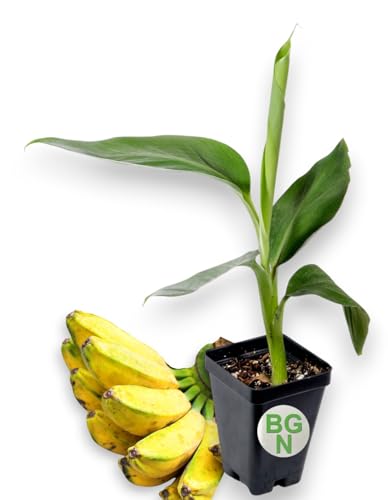
Size and Growth: The California Gold Banana plant is compact yet striking, reaching a mature height of about 5 to 7 feet. This manageable size makes it perfect for smaller spaces, urban gardens, or even as a potted plant on patios and balconies. Despite its smaller stature compared to other banana varieties, it delivers lush, wide leaves that lend a distinctly tropical feel to any setting.

CHOOSE YOUR FAVORITE BANANA VARIETY – Select from Grand Nain, Dwarf Cavendish, Double Mahoi, Curly Tiny, or Basjoo Banana plants. Each variety offers unique characteristics, from sweet edible fruit to striking ornamental foliage and cold-hardy landscape performance.
![Greenwood Nursery: Live Perennial Plants - Musa Basjoo Cold Hardy Banana - [Qty: 2X Pint Pots] - (Click for Other Available Plants/Quantities)](https://m.media-amazon.com/images/I/51cl7jVVE3L._SL500_.jpg)
🌿 [INFO1] - Gives a tropical look to your garden. Grows from the Southern U.S. all the way to the southern part of Canada. A hardy Flowering Banana plant provides a tropical plant or jungle garden feel for pool landscapes, zen gardens and also makes an excellent container plant for porches, decks, patios & sunny areas of the house. The yellow orange flowers will produce small ornamental fruits that are not edible.
Banana Tree Planting and Care Guide
Growing banana trees in San Francisco presents unique challenges due to the city’s foggy climate and specific soil conditions. This guide offers essential tips on planting and caring for banana trees, ensuring they thrive despite the environmental factors. With the right approach, you can successfully cultivate these tropical plants in an urban setting.
Proper planting and care techniques are essential for healthy banana trees. Follow these steps to ensure optimal growth:
Select a sunny location: Aim for at least six hours of sunlight daily.
Dig a hole: Make it twice the width of the root ball.
Add organic matter: Mix compost with native soil before planting.
Water adequately: Keep the soil consistently moist but not soggy.
Pests and Diseases Affecting Banana Trees
Banana trees, while resilient, can face various pests and diseases that threaten their growth and fruit production. In San Francisco’s unique climate, understanding these challenges is essential for successful cultivation. This section explores the common issues banana trees may encounter and offers strategies for prevention and management.
Banana trees can be susceptible to various pests and diseases, especially in humid conditions. Regular monitoring and preventive measures can help mitigate issues. Key concerns include:
Aphids: Small insects that can weaken plants.
Fungal infections: Such as Panama disease.
Nematodes: Soil-borne pests that damage roots.
Recommended Products
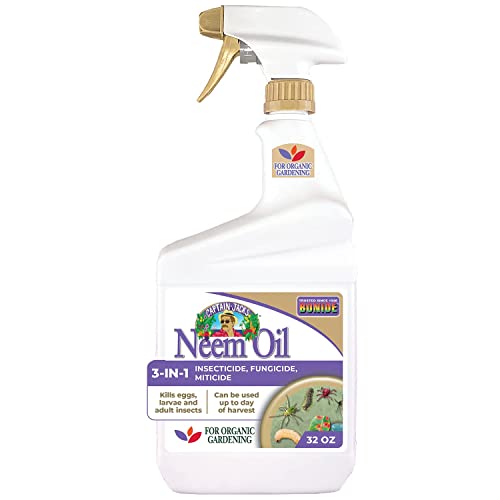
MULTI-PURPOSE BUG KILLER - Bonide Neem Oil is a perfect pest control solution for any garden dealing with mites, flies, mildew, and more. This product is a three-in-one fungicide, miticide, and insecticide.

FOR ORGANIC GARDENING - Captain Jack's NeemMax is a perfect pest control solution for any garden dealing with mites, flies, mildew, and more. This product is a four-in-one insecticide, fungicide, miticide, and nematicide.

#1 BEST PURE NEEM OIL FOR PLANTS: Zuprime Neem Oil concentrate is your go-to neem oil spray for indoor ornamental plants as well as neem oil spray for outdoor ornamental plants. It's made with 100% cold pressed high quality organic neem oil your plants need for a shiny glow.
Pest and Disease Prevention Strategies
Growing banana trees in San Francisco presents unique challenges, particularly concerning pests and diseases. Understanding the specific threats that can affect these plants in a coastal climate is crucial for successful cultivation. This section outlines effective prevention strategies to help gardeners maintain healthy banana trees despite the local environmental conditions.
Implementing preventive measures can significantly reduce the risk of pests and diseases. Consider these strategies:
Use neem oil: A natural pesticide for aphids.
Rotate crops: Prevent nematode buildup in the soil.
Prune regularly: Remove dead or infected leaves to improve airflow.
Successful Banana Harvesting Techniques
Successfully harvesting bananas in San Francisco requires understanding the unique climate and soil conditions of the area. With its cool fog and varied soil types, employing specific techniques can help ensure a fruitful yield. This section explores effective methods tailored to the challenges and advantages of growing banana trees in this coastal city.
Once your banana trees mature, harvesting is the final step. Bananas typically take 9 to 12 months to ripen after flowering. Here’s how to ensure a successful harvest:
Monitor fruit size: Bananas should be plump and rounded.
Check for color change: Fruit will turn from green to yellow.
Cut the bunch: Use a sharp knife to avoid damaging the plant.
| Harvesting Indicator | Description |
|---|---|
| Size | Plump and rounded fruit |
| Color | Transition from green to yellow |
| Ease of removal | Bunch should detach easily |
Banana Growth Strategies for San Francisco
Growing banana trees in San Francisco presents unique challenges due to the city’s foggy climate and soil conditions. Understanding effective growth strategies can help gardeners cultivate these tropical plants successfully. This section explores practical tips tailored to the specific environmental factors of San Francisco, ensuring banana trees thrive despite the local conditions.
Growing banana trees in San Francisco is feasible with the right techniques and care. Pay attention to climate effects, soil conditions, and pest management for optimal results.
