

Growing banana trees in the District of Columbia can lead to a fruitful urban garden experience. With the right care and conditions, these tropical plants can thrive even in a city environment. This guide provides essential insights into successfully cultivating banana trees in urban settings.
Best Banana Tree Varieties for Urban Gardens
When selecting banana trees for urban gardens in the District of Columbia, it’s essential to choose varieties that thrive in limited space and varying climates. The right selection can lead to successful growth and fruitful harvests, even in an urban setting. This section explores the best banana tree varieties suited for city gardening.
Choosing the appropriate banana tree variety is crucial for urban gardening success. Some varieties are better suited for container growth, while others can flourish in the ground. Consider the following popular options:
Dwarf Cavendish: Ideal for smaller spaces, this variety grows up to 4-5 feet tall and produces sweet bananas.
Ice Cream Banana: Known for its unique flavor and ornamental appeal, this variety can reach 6-10 feet and thrives in containers.
Orinoco: A robust variety that can withstand cooler temperatures, making it suitable for the D.C. climate.
| Variety | Height | Best for |
|---|---|---|
| Dwarf Cavendish | 4-5 feet | Small spaces |
| Ice Cream Banana | 6-10 feet | Containers |
| Orinoco | 8-12 feet | Cooler climates |
Recommended Products

4 FRUIT VARIETIES – 100 SEEDS TOTAL: Includes 30 Apple Seeds, 30 Lemon Seeds, 30 Cherry Seeds, and 10 Banana Seeds, individually separated by variety for an exciting fruit-growing collection.
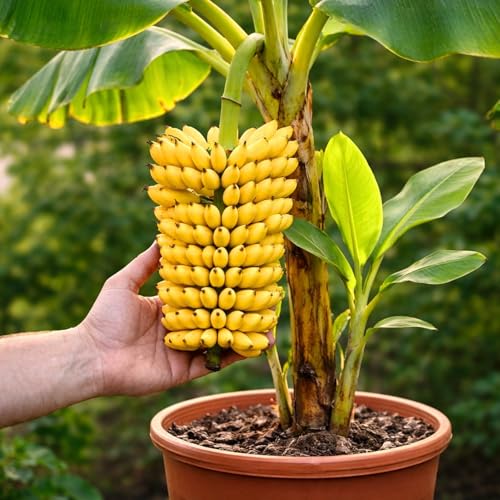
🍌 Premium Banana Seeds: High-quality banana seeds selected for planting and growing healthy tropical banana plants.

This is a cold hardy variety of banana grown from zones 6-10
Banana Tree Planting Area Preparation
Preparing the planting area for banana trees in the District of Columbia is crucial for ensuring their success in an urban garden setting. This process involves selecting the right location, assessing soil quality, and implementing effective drainage solutions to create an optimal environment for growth. Proper preparation sets the foundation for healthy plants and fruitful yields in a challenging urban landscape.
Creating the right environment is essential for banana trees. They prefer warm temperatures and well-draining soil. Here are steps to prepare your planting area:
Choose a sunny spot that receives at least 6-8 hours of sunlight daily.
Test the soil for pH levels, aiming for a range of 5.5 to 7.0.
Amend the soil with organic compost to enhance drainage and nutrient content.
Ideal Soil Composition for Banana Trees
Understanding the ideal soil composition is crucial for successfully growing banana trees in the District of Columbia. The right mix of nutrients and drainage can significantly impact the health and yield of these tropical plants, making it essential for urban gardeners to tailor their soil to meet the specific needs of banana trees in a city environment.
Banana trees thrive in rich, loamy soil. Ensure the soil has good drainage to prevent root rot. Consider adding:
Organic matter: Improves soil structure and fertility.
Mulch: Helps retain moisture and suppress weeds.
Banana Tree Watering and Fertilizing Guide
Successfully growing banana trees in the District of Columbia requires careful attention to watering and fertilizing. This guide provides essential tips to ensure your urban garden thrives, helping you navigate the unique challenges of cultivating these tropical plants in a city environment. Proper care will lead to healthier trees and a more fruitful harvest.
Proper watering and fertilizing are vital for healthy banana trees. These plants require consistent moisture but do not tolerate standing water. Follow these guidelines:
Water deeply once a week, allowing the top inch of soil to dry out between waterings.
Fertilize monthly with a balanced fertilizer high in potassium and nitrogen to promote growth.
Recommended Products

2X MORE VALUE: The 16 oz bottle of Banana Plant Fertilizer makes 16 gallons of banana fertilizer for fruit trees, while the bigger size 32 oz bottle makes 32 gallons for lasting care of your banana trees.

PREMIUM FUEL LIQUID FERTILIZER: Wellspring Gardens Banana Fuel Liquid Fertilizer Concentrate provides a quality nutrient blend with minor elements that could grow your plants. Its 3-1-6 formula ratio is the ideal fertilizer ration according to University of Florida which is what our product is made of.
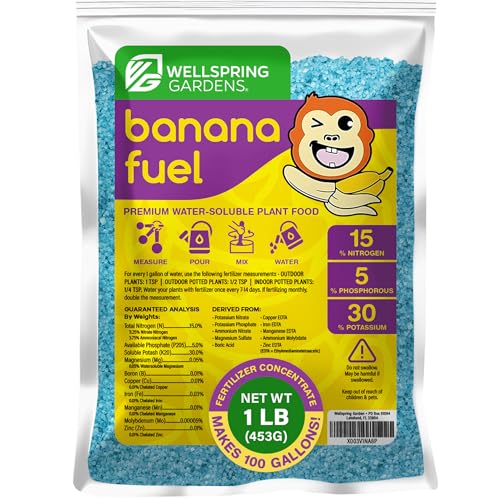
PREMIUM WATER SOLUBLE FERTILIZER: Wellspring Gardens Banana Fuel Fertilizer provides a water-soluble and high-quality nutrient blend with minor elements to promote optimal growth for your banana plants. Its premium 15-5-30 blend ensures that your banana plants are healthy and happy.
Overwatering Indicators for Banana Trees
Understanding the signs of overwatering is crucial for the health of banana trees, especially in urban gardens like those in the District of Columbia. This section outlines key indicators that can help gardeners identify when their banana trees are receiving too much water, ensuring optimal growth and vitality in a city setting.
Be aware of signs indicating overwatering, such as:
Yellowing leaves
Wilting despite moist soil
Root rot
Urban Pest and Disease Control for Banana Trees
Urban gardening presents unique challenges, particularly when it comes to managing pests and diseases that affect banana trees. In the District of Columbia, understanding the local ecosystem and implementing effective control measures is crucial for ensuring healthy growth and fruitful yields. This section explores strategies tailored to urban environments that can help mitigate these issues.
Urban environments can introduce pests and diseases. Regular monitoring is necessary to maintain healthy banana trees. Common pests include:
Aphids: These tiny insects can be controlled with insecticidal soap.
Spider mites: Look for webbing and treat with neem oil.
Recommended Products
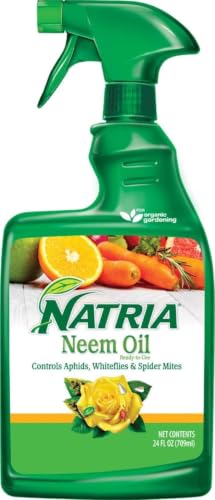
PLANT DISEASE CONTROL: Natria Neem Oil acts as an insecticide and fungicide in one convenient spray; Ready-to-use trigger sprayer requires no mixing


ADVANCED FORMULA: Emulsifiers built into the formula so you just add water. 100% pure oils require an emulsifier to allow oil and water to mix. Nature's IQ has this already built in so you just add water.
Pest Prevention Strategies for Urban Banana Trees
Urban banana trees in the District of Columbia can thrive despite the challenges posed by pests. Implementing effective pest prevention strategies is crucial for maintaining healthy plants and ensuring fruitful harvests. This section explores various methods tailored for urban gardeners to protect their banana trees from common pests.
Implement these strategies to prevent pest infestations:
Regular inspections: Check leaves and stems for signs of pests.
Healthy practices: Keep the area clean and remove any debris.
Banana Harvesting Timing and Techniques
Understanding the optimal timing and techniques for harvesting banana trees is crucial for urban gardeners in the District of Columbia. This section delves into the best practices for ensuring a successful yield, taking into account the unique climate and growing conditions of the area. With the right approach, gardeners can maximize their banana crop and enjoy the fruits of their labor.
Once your banana trees start producing fruit, knowing when to harvest is essential. Bananas typically take 9-12 months to ripen after flowering. Here’s how to determine the right time:
Color change: Bananas will turn from green to yellow.
Firmness: Gently squeeze the fruit; it should yield slightly.
Post-Harvest Management for Banana Trees
Effective post-harvest management is crucial for maintaining the quality and extending the shelf life of bananas harvested in the District of Columbia. This section explores best practices for handling, storing, and transporting bananas to ensure they reach consumers in optimal condition, highlighting techniques that urban gardeners can implement for successful banana cultivation in an urban environment.
After harvesting, consider these steps:
Store bananas at room temperature to ripen further.
Use excess fruit in smoothies, desserts, or as fresh snacks.
Local Resources for Banana Tree Cultivation
In the District of Columbia, aspiring urban gardeners can find a wealth of local resources to support their banana tree cultivation efforts. From community gardening programs to specialized horticultural workshops, these initiatives provide valuable knowledge and tools for successfully growing banana trees in an urban environment. Accessing these resources can significantly enhance the chances of a fruitful harvest.
Utilizing local resources can enhance your banana tree gardening experience. Consider these options:
Community gardens: Join a local garden group for support and shared resources.
Extension services: Contact local agricultural extensions for tailored advice on growing bananas in D.C.
| Resource Type | Description |
|---|---|
| Community Gardens | Shared spaces for urban gardening |
| Extension Services | Local agricultural support |
Urban Banana Tree Care Essentials
Caring for banana trees in the District of Columbia requires specific attention to the unique urban environment. Understanding the essentials of urban banana tree care, from soil selection to watering techniques, is crucial for successful growth. This section will provide practical tips and insights tailored to the challenges and opportunities of cultivating banana trees in a city setting.
Growing banana trees in the District of Columbia requires attention to detail and proper care. Monitor environmental conditions, maintain soil health, and address pests promptly. Successful cultivation can transform your urban garden into a tropical paradise.
