

Growing banana trees in Virginia is feasible, especially in the Piedmont and Coastal regions. Selecting the right varieties and understanding local climate conditions are essential for successful cultivation.
Choose the Right Banana Varieties
Selecting the appropriate banana varieties is crucial for success in Virginia. The Dwarf Cavendish and Blue Java are popular choices due to their adaptability to cooler climates. These varieties are more resilient against frost and can thrive in the state’s growing conditions.
Top Banana Varieties for Virginia
When selecting banana varieties for cultivation in Virginia’s Piedmont and coastal regions, it’s essential to consider both climate adaptability and fruit quality. This section explores the top banana varieties that thrive in these areas, offering insights into their growth habits, flavor profiles, and overall suitability for local conditions. Understanding these options will help ensure a successful banana-growing experience.
| Variety | Height | Cold Tolerance | Flavor Profile |
|---|---|---|---|
| Dwarf Cavendish | 4-5 feet | Moderate | Sweet and creamy |
| Blue Java | 10-15 feet | High | Creamy and vanilla-like |
| Goldfinger | 6-8 feet | Moderate | Sweet and tangy |
Site Preparation for Banana Trees
Preparing the right site is crucial for successfully growing banana trees in Virginia’s Piedmont and coastal regions. This section outlines the essential steps to ensure optimal soil conditions, sunlight exposure, and drainage, setting the foundation for healthy and productive banana plants. Proper site preparation will enhance growth and fruiting potential in these unique climates.
Proper site preparation ensures healthy growth of banana trees. Choose a location with full sun exposure and well-drained soil. Amend the soil with organic matter to improve fertility and drainage.
Optimal Soil pH for Banana Trees
Understanding the optimal soil pH is crucial for successfully growing banana trees in Virginia’s Piedmont and Coastal regions. This section delves into the specific pH levels that promote healthy growth and fruit production, ensuring your banana trees thrive in local conditions. Proper soil management can make all the difference in achieving a bountiful harvest.
pH level: 5.5 to 7.0
Organic matter: 20-30%
Drainage: Ensure no standing water
Banana Tree Planting Methods for Virginia
Planting banana trees requires specific techniques to maximize growth. Dig a hole twice the size of the root ball and mix in compost. Position the tree so that the top of the root ball is level with the soil surface.
Choosing the Right Banana Sapling
Selecting the appropriate banana sapling is crucial for successful cultivation in Virginia’s Piedmont and coastal regions. Understanding the specific varieties that thrive in these climates will help ensure healthy growth and fruitful yields. This section will guide you through the factors to consider when choosing the best sapling for your garden.
Select a healthy banana sapling.
Dig a hole that is twice as wide and deep as the root ball.
Mix compost into the excavated soil.
Place the sapling in the hole and backfill with soil.
Water thoroughly to eliminate air pockets.
Irrigation and Nutrition for Banana Trees
Irrigation and nutrition are critical components for successfully growing banana trees in Virginia’s Piedmont and coastal regions. Understanding the specific water and nutrient needs of these tropical plants can help ensure healthy growth and fruit production. This section will provide essential guidelines to optimize the care of your banana trees in these unique climates.
Banana trees require consistent moisture for optimal growth. Water deeply once a week, adjusting frequency based on rainfall. Fertilize every 6-8 weeks during the growing season with a balanced fertilizer.
Recommended Products

Everything in One Box – Everything included: 100FT 1/4" tubing, 24 nozzles, connectors, stakes, ties & end caps. Covers small/medium gardens effortlessly
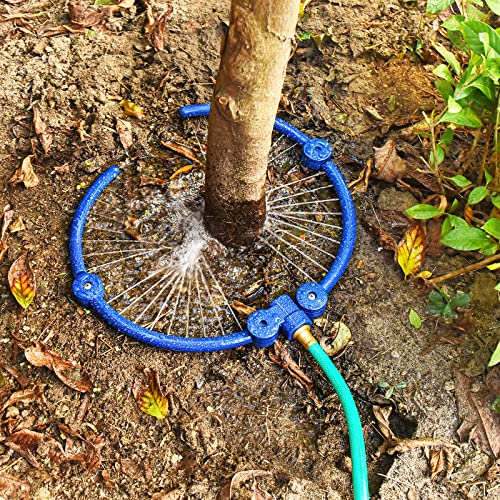
【Specially Designed for Trees and Shrubs】 The Watering Ring is a multi-purpose irrigation ring that attaches to a garden hose to efficiently water young trees shrubs vegetables or flower beds using drip or trickle irrigation.It directs water to the root perimeter of the plant to give them a good start during the first two growing seasons or through periods of drought.

Quick Connect Design: Newly Upgraded Quick Connect Irrigation System Say Goodbye to Complicated Settings! Our upgraded 4-way connectors, tees, and nozzles can now be easily connected directly to 1/4 "irrigation pipes. No more trouble with heating or softening - just plug and play!
Banana Tree Watering Frequency by Season
Understanding the watering frequency for banana trees in Virginia is crucial for their healthy growth, especially in the varied climates of the Piedmont and Coastal regions. This section will outline the specific watering needs throughout the seasons, ensuring that your banana trees thrive in both the warmer and cooler months.
| Season | Frequency |
|---|---|
| Spring | Weekly |
| Summer | Twice weekly |
| Fall | Weekly |
| Winter | Monthly |
Frost Protection Strategies for Banana Trees
In Virginia’s Piedmont and coastal regions, protecting banana trees from frost is crucial for their survival and productivity. Understanding effective frost protection strategies can help gardeners ensure their plants thrive despite the challenges posed by colder temperatures. This section outlines practical methods to safeguard banana trees during the frost-prone months.
Frost can damage banana trees, especially in Virginia’s cooler months. Implement protective measures to ensure survival during unexpected cold snaps.
Frost Cloth Application for Banana Trees
Frost cloth application is essential for protecting banana trees in Virginia’s Piedmont and coastal regions, where unexpected cold snaps can threaten their growth. Properly applying this protective covering not only shields the plants from frost damage but also promotes healthier development during the cooler months. Understanding the best practices for using frost cloth will help ensure your banana trees thrive despite the climate challenges.
Cover with frost cloth during cold nights.
Use mulch to insulate the root zone.
Move potted plants indoors or to a sheltered area.
Pest Control for Virginia Banana Trees
Pest control is crucial for maintaining healthy banana trees in Virginia’s Piedmont and coastal regions. Given the unique climate and local pests, understanding effective management strategies can significantly enhance the growth and yield of your banana plants. This section will explore common pests and practical solutions tailored to Virginia’s specific conditions.
Maintaining healthy banana trees involves monitoring for pests and diseases. Common issues include aphids, spider mites, and fungal infections. Regular inspections and timely interventions can prevent significant damage.
Piedmont and Coastal Pest Management Strategies
Managing pests is crucial for the successful cultivation of banana trees in Virginia’s Piedmont and coastal regions. This section outlines effective strategies tailored to these specific environments, addressing common threats and offering practical solutions to ensure healthy growth and fruitful harvests. Understanding these pest management techniques will help you maintain vibrant and productive banana trees.
| Pest | Symptoms | Treatment |
|---|---|---|
| Aphids | Leaf curling | Insecticidal soap |
| Spider mites | Webbing on leaves | Neem oil |
| Fungal infections | Leaf spots | Fungicide application |
Banana Harvest Timing and Indicators
Understanding when to harvest banana trees is crucial for maximizing yield and flavor, especially in Virginia’s unique climate. This section will detail the specific timing and indicators to look for, ensuring that you can enjoy the best possible fruit from your banana plants. Pay close attention to these signs to determine the optimal moment for harvesting.
Knowing when to harvest is vital for enjoying sweet, ripe bananas. Monitor the fruit’s color and size. Harvest when the bananas are plump and have a slight yellow tint.
Banana Fruit Inspection for Harvesting
Inspecting banana fruit for harvesting is a crucial step in ensuring quality and flavor. In Virginia’s Piedmont and coastal regions, understanding the signs of ripeness and readiness can significantly impact your yield. This section will guide you through the key indicators to look for when determining the optimal time to harvest your bananas.
Inspect the fruit for size and color.
Cut the bunch from the tree using a sharp knife.
Hang the bananas in a cool, dark place to ripen.
Growing banana trees in Virginia can be rewarding with the right knowledge and care. Focus on selecting suitable varieties, preparing the site, and maintaining growth conditions for a successful harvest.
